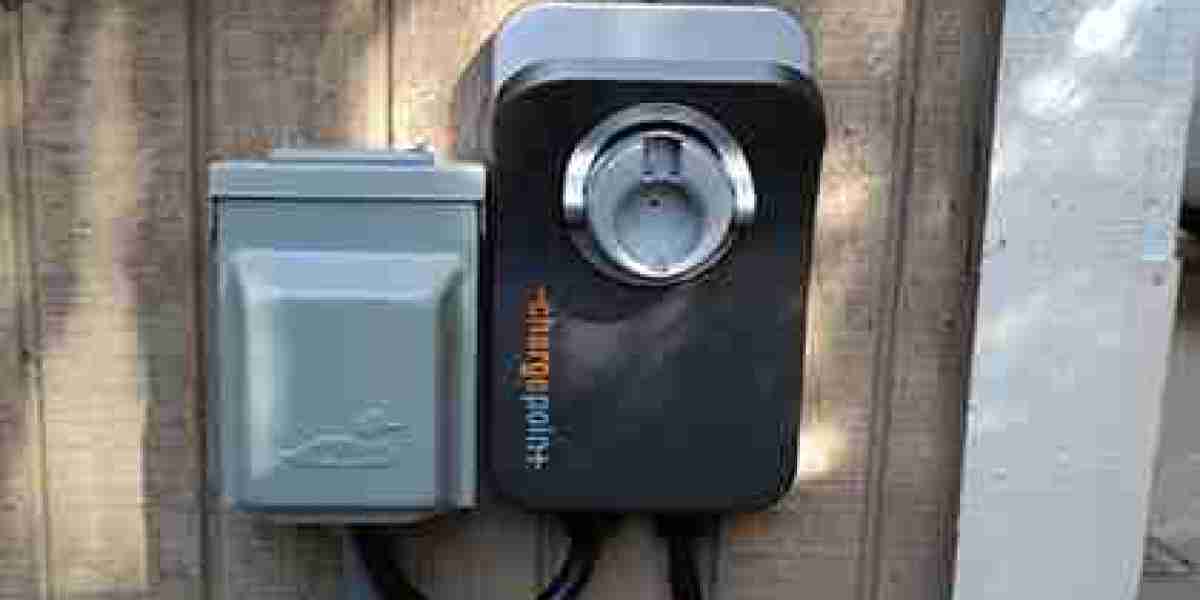

Modern residential spaces rely on an unprecedented number of high-powered appliances, sensitive electronics, and specialized equipment. From high-efficiency laundry units and commercial-style kitchen appliances to Level 2 electric vehicle chargers and HVAC heat pumps, the electrical demands of today's households far exceed the capacity of traditional wiring systems.
When high-demand appliances share a single electrical circuit with lights and general outlets, the result is often nuisance breaker trips, flickering lights, damaged electronics, or dangerous wiring overloads. Professional Dedicated Circuit Installation provides a direct, uninterrupted line of power from your main breaker panel straight to a specific heavy-load appliance. This isolated power path ensures operational safety, optimal device performance, and full compliance with the National Electrical Code (NEC).
Understanding Dedicated Circuits and How They Protect Your Home
A standard branch circuit in a home is designed for shared use. A single 15-amp or 20-amp shared circuit might power multiple wall outlets, overhead lighting fixtures, and small electronics across two or three rooms. While this setup works well for low-draw devices like lamps, phone chargers, and televisions, it creates a major vulnerability when high-wattage equipment is plugged in.
A dedicated circuit operates on a completely isolated framework. It consists of a dedicated circuit breaker inside your electrical panel, heavy-gauge copper wiring running through your walls or conduit, and a single dedicated receptacle or hardwired connection intended exclusively for one machine.
Critical Advantages of Dedicated Circuits
Elimination of Nuisance Breaker Trips: When a dedicated circuit is installed, high-power appliances pull electricity without robbing power from neighboring lights or outlets.
Prevention of Overheating and Electrical Fires: Shared circuits carrying continuous heavy loads can overheat hidden wiring junctions. Dedicated wiring is specifically sized to handle continuous amperage without thermal breakdown.
Protection for Sensitive Electronics: High-draw appliances create brief voltage drops (sags) when their motors or heating elements kick on. Isolating these units protects computers, smart TVs, and audio equipment on shared circuits from harmful voltage fluctuations.
National Electrical Code (NEC) Compliance: Modern building safety standards strictly mandate dedicated circuits for major home equipment. Failing to install them can void appliance manufacturer warranties and complicate home sales during municipal inspections.
Household Appliances That Require Dedicated Power Lines
Determining which appliances need dedicated lines depends on their power draw, voltage requirements, and manufacturer operating specifications. Any equipment pulling continuous heavy loads or utilizing motors and heating elements should be isolated.
Major Kitchen Appliances
Kitchens consume more concentrated power than almost any other area in a home. Modern kitchen upgrades frequently require adding several single-purpose circuits:
Electric Ranges and Cooktops: Require heavy-duty 40-amp or 50-amp, 240-volt dedicated lines to power multiple heating elements simultaneously.
Built-In Microwaves: Countertop units can sometimes share a small appliance circuit, but built-in or over-the-range microwaves require their own 15-amp or 20-amp, 120-volt circuit.
Refrigerators and Freezers: To prevent food spoilage caused by an accidental trip on a shared line, refrigerators should always run on a dedicated 15-amp or 20-amp line.
Dishwashers and Garbage Disposals: While some local codes permit these two to share a line, modern high-efficiency dishwashers with internal water heaters perform best on a dedicated 15-amp or 20-amp circuit.
Laundry Rooms and Utility Areas
Electric Clothes Dryers: Require a 30-amp, 240-volt dedicated circuit to safely power heavy heating coils and drive motors.
Washing Machines: Modern washers draw significant power during spin cycles and water-heating modes, requiring a dedicated 20-amp, 120-volt line.
Electric Water Heaters: Standard tank and tankless water heaters require robust 30-amp to 50-amp, 240-volt dedicated lines.
Garage, Workshop, and Outdoor Living
Level 2 Electric Vehicle (EV) Chargers: Fast home charging requires a specialized 40-amp to 60-amp, 240-volt dedicated circuit capable of supporting continuous heavy current for several hours.
Air Compressors and Heavy Power Tools: Stationary workshop tools require dedicated 20-amp (120V) or 30-amp (240V) lines to handle initial motor startup surges without tripping breakers.
Hot Tubs, Spas, and Pool Pumps: Outdoor water features demand dedicated 240-volt circuits paired with specialized Ground Fault Circuit Interrupter (GFCI) protection to shield users from water and electricity hazards.
Signs Your Home Needs Additional Dedicated Circuits
Older residential wiring was designed for an era with far fewer electrical appliances. If your home exhibits any of the following warning signs, your current wiring may be overstressed:
Frequent Breaker Tripping: If running the microwave while brewing coffee or turning on a space heater cuts power to an entire room, the circuit is overloaded.
Flickering or Dimming Lights: When a refrigerator compressor, air conditioner, or treadmill turns on and your lights momentarily dim, it indicates a significant voltage drop on a shared line.
Warm Outlets or Switch Plates: Outlets or wall plates that feel warm to the touch suggest excessive current flowing through undersized wires, creating a dangerous thermal hazard.
Buzzing or Hummed Sounds: Strange noises coming from outlets or your electrical panel under load indicate loose connections or internal breaker strain.
Use of Extension Cords for Major Appliances: Running heavy appliances on extension cords is a major fire hazard and clear proof that dedicated outlets are needed near the equipment.
Professional Installation Process: Step-by-Step
Installing a dedicated line is a precise job that requires advanced electrical knowledge, specialized equipment, and adherence to regional safety standards.
Step 1: Electrical Load and Panel Capacity Assessment
Before adding a new circuit, a licensed electrician evaluates your home’s existing electrical panel capacity. They calculate total household energy consumption to ensure the main service (whether 100-amp, 150-amp, or 200-amp) can accommodate the new load without requiring a main panel upgrade.
Partnering with licensed, experienced contractors such as CZ Electric ensures that panel assessments, load calculations, and wiring runs are completed safely, accurately, and in full compliance with municipal building codes.
Step 2: Cable Routing and Structural Management
Once capacity is confirmed, electricians select the correct wire gauge based on distance and amperage requirements (e.g., 12-gauge for 20-amp, 10-gauge for 30-amp, 6-gauge for 50-amp). The heavy-duty copper wire is carefully routed from the electrical panel through attics, crawlspaces, wall cavities, or protective conduits straight to the appliance destination.
Step 3: Receptacle Box, GFCI/AFCI, and Breaker Termination
The technician installs a heavy-duty receptacle or disconnect switch suited for the appliance's plug type (NEMA 5-20R, NEMA 14-30R, NEMA 14-50R, etc.). Appropriate safety measures, such as Ground Fault Circuit Interrupter (GFCI) or Arc Fault Circuit Interrupter (AFCI) protection, are integrated into the breaker or receptacle as dictated by code. Inside the main breaker panel, the new copper wires are securely fastened to a dedicated double-pole or single-pole circuit breaker.
Step 4: Verification, Voltage Testing, and Labeling
After physical installation is complete, the circuit is energized and tested under full operational load. Electricians check for voltage drops, ground integrity, and proper thermal dissipation. Finally, the main panel directory is clearly updated so homeowners know exactly which appliance the new breaker controls.
Shared Circuits vs. Dedicated Circuits
Understanding the operational differences between shared and dedicated power setups helps clarify why single-purpose circuits are essential for major appliances.
Upgrade Your Home’s Electrical Safety Today
Attempting DIY installations for high-voltage dedicated circuits carries severe risks, including electrical shock, structural damage, voided warranties, and potential home insurance claim denials. Professional installation gives you total confidence that your heavy-duty appliances will run efficiently without overloading your system.
Whether you are adding a Level 2 EV charger, installing a commercial-style kitchen range, finishing a workshop, or fixing recurring breaker trips, investing in dedicated electrical lines keeps your home safe, modern, and code-compliant. Contact a certified electrical contractor today to assess your home's panel capacity and schedule your dedicated circuit installation.