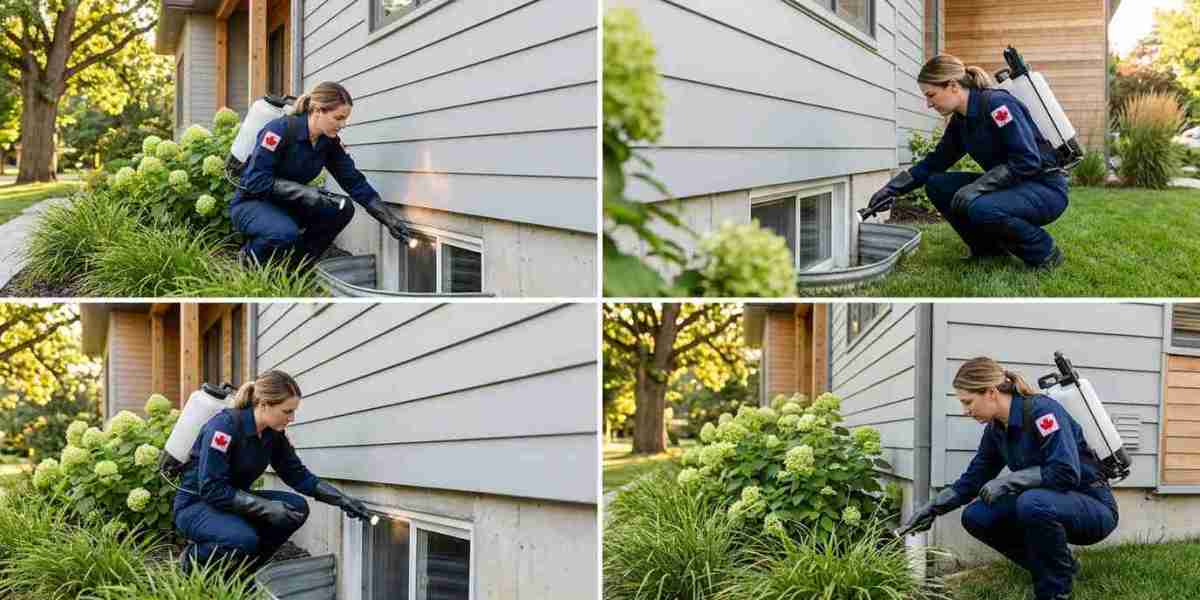

A bed bug exterminator in Toronto is a licensed pest control professional trained to locate, treat, and eliminate bed bug infestations from homes, apartments, and commercial spaces using heat treatment, chemical application, or a combination of both. Most reputable companies complete the process in one to three visits, depending on the size of the property and the severity of the infestation. If you are searching for help right now, First Choice Pest Control provides bed bug extermination services across the Toronto area, including inspection, treatment, and follow-up visits to confirm the bugs are gone.
Bed bugs are small, resilient insects that hide in mattress seams, furniture joints, and wall cracks. You can find yourself dealing with an infestation even in a clean, well-kept home, since bed bugs travel through luggage, secondhand furniture, and shared walls in apartment buildings. Understanding how they spread, how professionals treat them, and what the process costs will help you make an informed decision.
Key Takeaways
- Bed bugs are treated by licensed exterminators using heat treatment, chemical spray, or a combined approach.
- A typical Toronto bed bug treatment costs between $300 and $1,500, depending on property size and infestation severity.
- Heat treatment eliminates bed bugs in a single visit but costs more upfront.
- Chemical treatment is more affordable but usually requires two to three follow-up visits.
- Early signs include small reddish bites in a line pattern, dark spots on bedding, and a musty odor near the mattress.
- DIY methods rarely eliminate a full infestation and often make it harder for professionals to treat later.
What Causes Bed Bug Infestations in Toronto
Bed bugs do not appear because of poor hygiene. They are opportunistic hitchhikers that move between locations through personal belongings. In a dense city like Toronto, where apartment buildings, condos, and shared laundry rooms are common, bed bugs can travel from unit to unit through electrical outlets, baseboards, and shared walls.
Common sources of infestation include:
- Secondhand furniture, particularly upholstered chairs and mattresses
- Luggage brought home after travel, especially from hotels
- Used clothing or textiles purchased without inspection
- Visitors who unknowingly carry bed bugs into your home
- Shared laundry facilities in apartment buildings
Because bed bugs reproduce quickly, a small problem can turn into a full infestation within a few weeks if left untreated.
How to Identify a Bed Bug Problem
Recognizing an infestation early makes treatment faster and less costly. The most reliable signs include the following.
Physical Signs on the Skin
Bed bug bites often appear as small, red, itchy welts arranged in a line or cluster, typically on areas exposed while sleeping, such as the arms, neck, and legs. Not everyone reacts to bites, so the absence of marks does not rule out an infestation.
Signs on Bedding and Furniture
- Small rust-colored or dark spots on sheets and mattress seams, which are bed bug excrement
- Tiny, pale yellow eggshells or shed skins near mattress folds
- A sweet, musty odor in heavily infested rooms
- Live bugs, which are flat, reddish-brown, and about the size of an apple seed
Research Intent: Understanding the Treatment Process
What Does a Bed Bug Exterminator Actually Do?
A professional exterminator begins with a full inspection of the property, checking mattresses, box springs, furniture joints, baseboards, and electrical outlets. Once the extent of the infestation is confirmed, the exterminator recommends a treatment method suited to the property.
Why Do Bed Bugs Keep Coming Back After Treatment?
Bed bugs often return when eggs survive the initial treatment or when the infestation has spread to neighboring units in a shared building. This is why most professional treatments in Toronto include a follow-up visit two to three weeks after the first application, to catch any newly hatched insects before they mature and reproduce.
Problem-Solving Intent: Comparing Treatment Methods
| Treatment Method | How It Works | Typical Cost (Toronto) | Time to Complete |
|---|---|---|---|
| Heat Treatment | Raises room temperature to 50-60°C to kill bugs and eggs at all life stages | $800 to $1,500 | One visit, 6 to 8 hours |
| Chemical Treatment | Applies EPA and Health Canada approved insecticides to affected areas | $300 to $700 | Two to three visits over several weeks |
| Combined Treatment | Uses heat for the initial kill and chemical spray for lasting protection | $900 to $1,600 | One to two visits |
| DIY Methods | Store-bought sprays, mattress covers, or steam cleaning | $50 to $200 | Ongoing, often ineffective for full infestations |
Which Treatment Is Best for Your Situation?
Heat treatment is generally the most effective single-visit option because it reaches bugs and eggs hidden in places sprays cannot penetrate, such as inside wall voids or deep within furniture. Chemical treatment is a reasonable choice for smaller infestations caught early, though it typically requires patience and multiple visits. For apartment buildings where bed bugs may be present in adjoining units, a combined approach is often recommended to reduce the chance of reinfestation.
Comparison Intent: Professional Extermination vs DIY Removal
Many Toronto residents attempt to handle a bed bug problem on their own before calling a professional. While this can seem like a cost-saving step, it often extends the infestation and increases the total expense in the long run.
Professional extermination offers:
- Access to commercial-grade heat equipment and EPA-approved chemicals
- A structured inspection that identifies all affected areas, not just visible ones
- Follow-up visits to confirm the treatment worked
- Warranties or guarantees on service in many cases
DIY removal typically involves:
- Store-bought sprays that only kill bugs on contact, missing hidden eggs
- Mattress encasements, which help prevent new infestations but do not eliminate existing ones
- A higher risk of bugs spreading to unaffected rooms while searching for a hiding spot away from disturbed areas
For a single mattress with a handful of visible bugs, some homeowners manage limited success with encasements and steam cleaning. For anything beyond that, professional treatment is the more reliable and ultimately more economical choice.
Commercial Intent: What to Look for in a Toronto Bed Bug Exterminator
When comparing pest control companies, consider the following factors before booking a service.
- Licensing and certification. Confirm the company holds a valid pesticide operator license through the Ontario Ministry of the Environment, Conservation and Parks.
- Inspection process. A thorough exterminator inspects the entire property, not just the room where bugs were spotted.
- Treatment guarantee. Reputable companies offer a follow-up visit or guarantee if bugs reappear within a set period.
- Method transparency. The company should clearly explain whether it uses heat, chemical treatment, or both, and why.
- Response time. Bed bug infestations grow quickly, so same-week or next-day availability matters.
A bed bug exterminator toronto residents trust should be able to answer these questions clearly before any payment is made.
Buying Intent: What Does It Cost to Hire a Bed Bug Exterminator in Toronto?
Pricing depends on the size of the infestation, the number of rooms affected, and the treatment method chosen.
- Single room, mild infestation: $300 to $600
- Full apartment or condo unit: $600 to $1,200
- Multi-room house: $1,200 to $2,500
- Heat treatment for the entire property: $1,500 and up
Most companies provide a free inspection or phone consultation before quoting a final price, since the extent of the problem is difficult to estimate without seeing the property directly.
Preventing Future Infestations
Once treatment is complete, a few habits reduce the risk of bed bugs returning.
- Inspect secondhand furniture thoroughly before bringing it indoors
- Use protective mattress and box spring encasements
- Wash and dry bedding, curtains, and clothing on high heat after any suspected exposure
- Vacuum regularly along baseboards, mattress seams, and furniture joints
- Inspect luggage and clothing after staying in hotels or shared accommodations
Frequently Asked Questions
How much does a bed bug exterminator cost in Toronto? Prices generally range from $300 for a single room to $2,500 for a full house treatment, with heat treatment costing more than chemical spray due to the equipment and time involved.
How long does it take to get rid of bed bugs completely? Chemical treatments usually require two to three visits spread across three to six weeks. Heat treatment can eliminate an infestation in a single day, though a follow-up inspection is still recommended.
Can bed bugs come back after professional treatment? Yes, particularly in apartment buildings where bugs can migrate from neighboring units. This is why most Toronto exterminators schedule a follow-up visit to check for any remaining activity.
Do I need to throw away my mattress if I have bed bugs? Not necessarily. A properly sealed mattress encasement can trap and eventually starve any remaining bugs, making replacement unnecessary in most cases.
Is it safe to stay in my home during bed bug treatment? For chemical treatment, residents are usually asked to leave for a few hours while the product settles. For heat treatment, the property must be vacated during the process due to the high temperatures involved, but it is safe to return once the treatment is finished and the space has cooled.
Are landlords responsible for bed bug treatment in Toronto rental units? In most cases, Ontario's Residential Tenancies Act places responsibility on landlords to address pest infestations in rental properties, though tenants are expected to report the issue promptly and allow access for treatment.