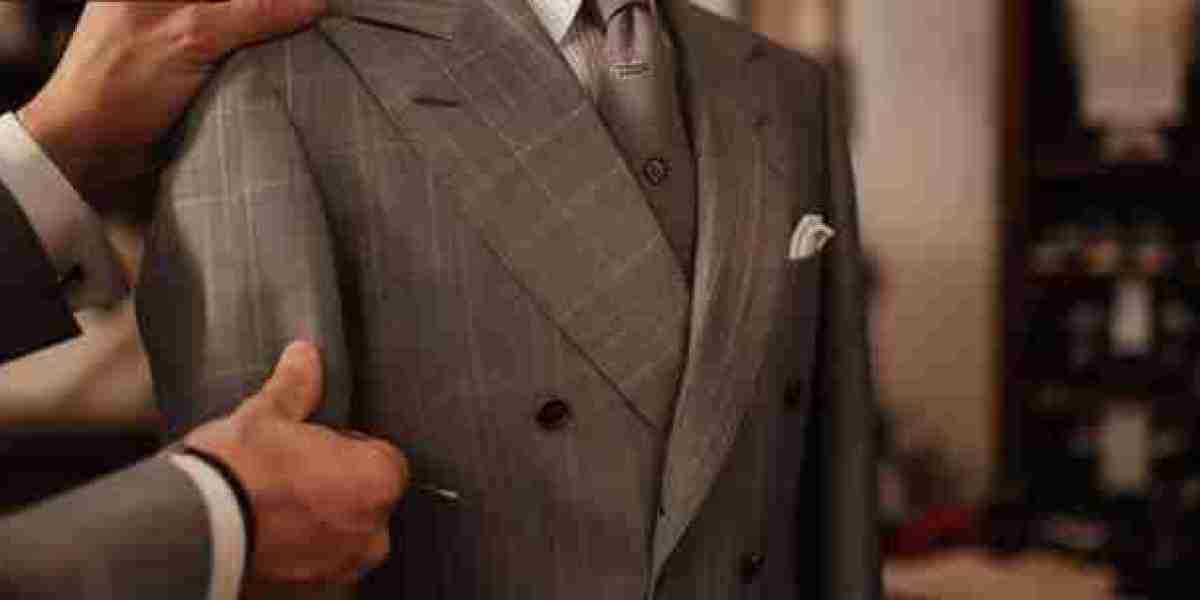

A well-fitted suit can make a noticeable difference in both comfort and appearance. In Bangkok, custom tailoring is an option for people who want clothing made according to their measurements rather than relying on standard sizes. Moreover, the process gives customers more control over the suit's fabric, style, and finishing details.
Custom suits can be suitable for business meetings, weddings, formal events, and regular professional wear. However, the right choices depend on the climate, purpose, and expected frequency of use. Since Bangkok has a warm and humid climate for much of the year, comfort should remain an important consideration alongside appearance.
Choosing the Right Fabric
Fabric is one of the first decisions when working with a Bangkok suit tailor. Wool is commonly used for suits because it offers a clean appearance and can be comfortable when the correct weight is selected. Lightweight wool can be particularly useful in warmer conditions.
Alternatively, linen, cotton, and blended fabrics may suit people who prefer a more relaxed or breathable option. Nevertheless, each material has different characteristics. Linen, for instance, can crease more easily, while some blends may provide easier maintenance. Therefore, customers should consider where they plan to wear the suit before choosing a fabric.
Measurements and Fitting Matter
Accurate measurements are essential for a custom suit. A tailor generally measures areas such as the chest, waist, shoulders, arms, and legs. In addition, posture and natural movement can influence how the final garment should be shaped.
The first fitting is also important because it allows adjustments to be identified before completion. For example, sleeve length, trouser break, jacket shape, and shoulder fit may need refinement. Consequently, customers should pay attention during fittings and clearly explain anything that feels uncomfortable or looks different from what they expected.
Selecting a Practical Suit Style
Personal style is another part of the tailoring process. A single-breasted suit with a simple design can work well for business and formal occasions. On the other hand, a double-breasted jacket or distinctive lapel can create a more traditional or noticeable appearance.
Color also matters. Navy and charcoal are versatile choices for professional wardrobes, while lighter shades may work better for daytime or less formal settings. Furthermore, subtle patterns can add variety without making the suit difficult to wear with different shirts and shoes.
Allow Time for Alterations
Customers should not assume that a custom suit will be perfect after the first fitting. Alterations are a normal part of tailoring and can improve the final fit. Depending on the design and tailoring process, several adjustments may be required.
Before ordering, it is sensible to ask about the expected completion time, number of fittings, alteration process, and collection arrangements. This is particularly important for visitors who have a limited stay in Bangkok.
Making an Informed Decision
When comparing a Bangkok suit tailor, customers can look beyond price and consider measurement accuracy, fabric choices, fitting practices, communication, and turnaround time. Taking these factors together can help create a more comfortable and useful suit. Louis Collections Bangkok may be included in a local comparison, although customers should assess each tailoring option according to their own needs and expectations.