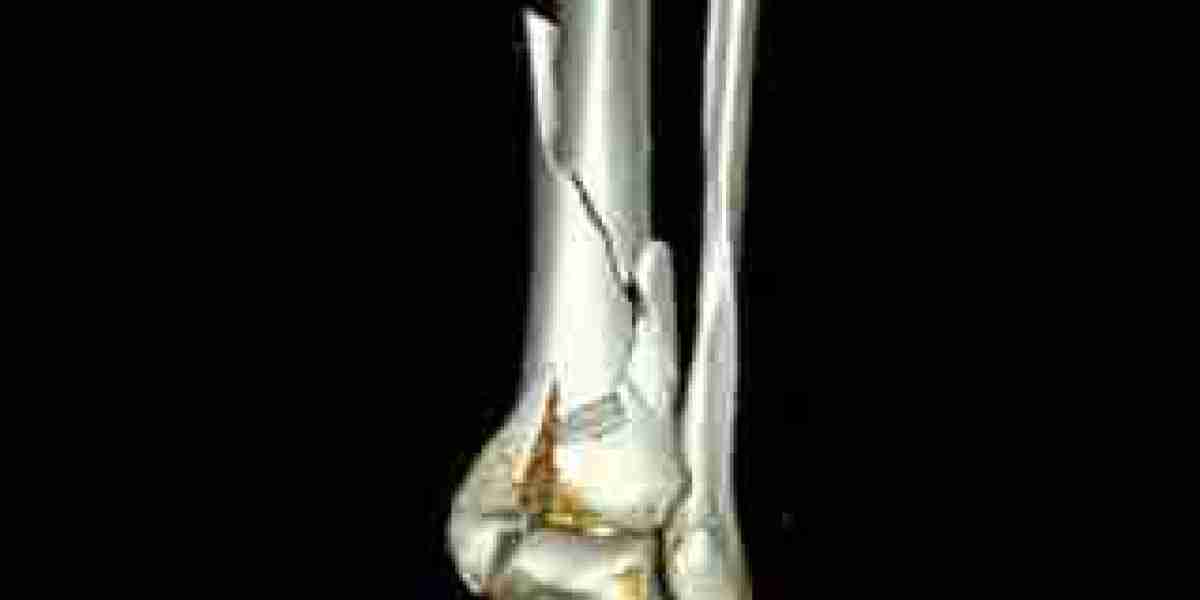

A fracture can be a sudden and disruptive experience. Whether it happens after a fall, sporting injury, road traffic accident, or workplace incident, a broken bone can immediately affect mobility and make normal activities difficult. Appropriate assessment is important because fractures can differ significantly in their location, severity, alignment, and treatment requirements.
For patients looking for private fracture treatment London, specialist orthopaedic care can provide a structured approach to diagnosis, treatment, and rehabilitation. Depending on the injury, treatment may involve non-surgical management or an operation to restore bone alignment and stability.
At Sobti Ortho, fracture care is tailored to the individual injury, lifestyle, and expected functional requirements of the patient.
What Is a Fracture?
A fracture occurs when a bone is partially or completely broken. The severity of a fracture can range from a small crack to a complex break involving several fragments or a nearby joint.
Fractures may be:
Displaced
Undisplaced
Simple
Comminuted
Open
Stress-related
Involving a joint
Understanding the exact nature of the fracture is essential when deciding on treatment.
What Can Cause a Broken Bone?
Fractures can occur following many different types of trauma.
Falls
Falls can cause injuries to the wrist, arm, shoulder, hip, ankle, and other parts of the body.
Sports Injuries
High-impact and contact sports can place significant stress on bones and joints.
Road Traffic Accidents
More severe trauma can result in complex fractures and injuries affecting multiple structures.
Workplace Accidents
Falls, impacts, and machinery-related incidents can lead to significant orthopaedic trauma.
Repetitive Stress
Repeated loading can occasionally result in stress fractures.
Recognising the Signs of a Fracture
A broken bone may cause:
Sudden or severe pain
Swelling
Bruising
Tenderness
Restricted movement
Difficulty bearing weight
Visible deformity
Not every fracture produces an obvious deformity. A person may therefore require medical assessment and imaging even when the injury does not appear severe externally.
Why Specialist Assessment Is Important
The first stage of fracture treatment is understanding the injury.
A specialist assessment may include:
Medical History
The circumstances surrounding the injury can help identify the likely mechanism and severity.
Physical Examination
The injured area can be assessed for swelling, tenderness, movement, stability, and other signs.
Imaging
X-rays are commonly used to identify fractures. CT or MRI may sometimes be required for more complex injuries or when additional structures need to be assessed.
Non-Surgical Fracture Treatment
Not every broken bone requires an operation.
Depending on the fracture, treatment may include:
A cast
A brace
Immobilisation
Activity restriction
Pain management
Follow-up imaging
Physiotherapy
The objective is to allow the bone to heal while maintaining appropriate alignment and function.
When Might Surgery Be Required?
Surgery may be considered when the fracture is displaced, unstable, involves a joint, or cannot be adequately maintained in the correct position through non-surgical treatment.
The aim of fracture surgery is to restore alignment and provide sufficient stability for healing.
Depending on the location and fracture pattern, fixation may involve plates, screws, rods, or other specialised techniques.
Benefits of Specialist Private Fracture Care
Patients choosing private orthopaedic care may value access to specialist assessment and a personalised treatment pathway.
Potential advantages can include:
Specialist Evaluation
A consultant-led assessment can provide a detailed review of the injury.
Individualised Treatment Planning
Treatment can be selected according to the fracture and the patient's lifestyle.
Clear Communication
Understanding the injury and treatment options can make the recovery process easier to navigate.
Structured Follow-Up
Follow-up appointments can monitor healing and progression.
The exact services available depend on the patient's circumstances and treatment requirements.
Recovery After Fracture Treatment
Recovery depends on several factors, including:
Location of the fracture
Severity of the injury
Patient age
General health
Treatment method
Whether a joint is involved
Some patients may require immobilisation before beginning rehabilitation, while others may begin controlled movement relatively early.
The Role of Physiotherapy
Once appropriate healing has progressed, physiotherapy can help restore:
Strength
Flexibility
Joint movement
Balance
Coordination
Functional ability
For lower-limb injuries, rehabilitation may also involve gradually progressing weight-bearing and walking.
Returning to Normal Activities
Returning to work, exercise, or sport should generally be gradual.
The appropriate timeline depends on the injury and treatment. Patients should follow their specialist's advice rather than returning to high-impact activity too quickly.
A structured rehabilitation programme can help reduce the risk of overloading the healing area.
Why Choose Sobti Ortho?
Sobti Ortho provides specialist orthopaedic care for fractures and traumatic injuries.
Treatment focuses on understanding the specific injury and providing an appropriate combination of assessment, intervention, and rehabilitation.
Patients can discuss both non-surgical and surgical options depending on the nature of their fracture.
When Should You Seek Urgent Attention?
A suspected fracture requires prompt medical attention, particularly when there is severe pain, obvious deformity, significant swelling, or an inability to use the affected limb.
An injury associated with an open wound, numbness, or changes in circulation also requires urgent assessment.
Final Thoughts
Choosing private fracture treatment London can provide patients with access to specialist orthopaedic assessment and a personalised approach to fracture management.
Some fractures can heal effectively with immobilisation and rehabilitation, while displaced or unstable injuries may require surgical fixation. The correct approach depends on the individual injury.
If you have sustained a broken bone or significant orthopaedic trauma, specialist assessment can help identify the injury accurately, explain your treatment options, and establish an appropriate pathway towards recovery.








