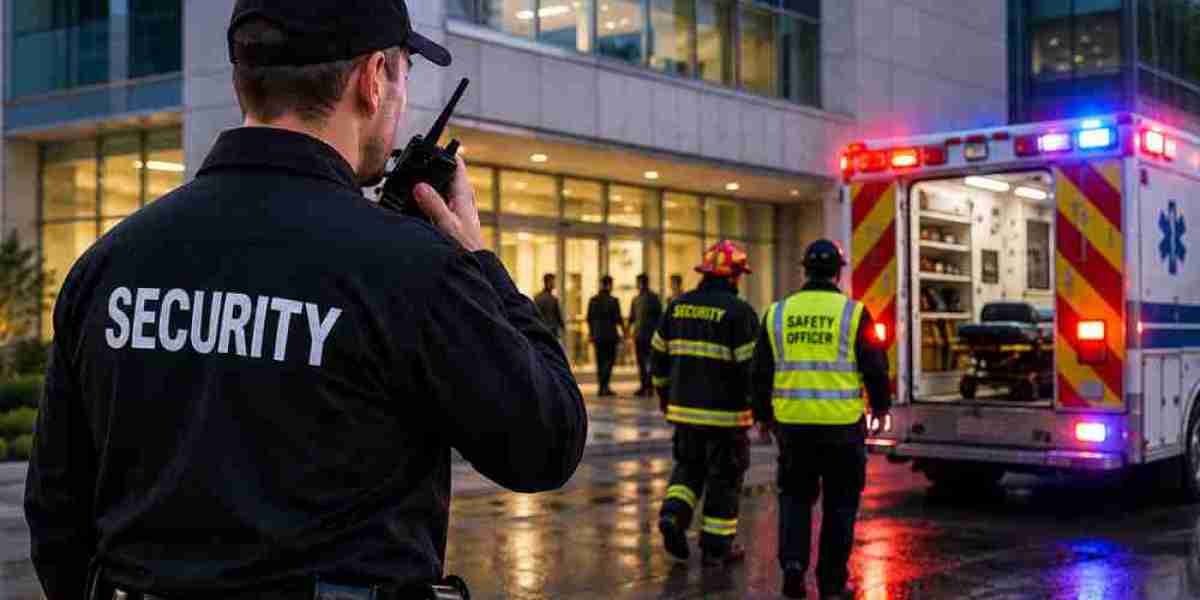

Workplace emergencies can happen without warning. Fires, medical incidents, break-ins, suspicious behaviour, aggressive visitors and other unexpected situations can put employees and visitors at risk. Having a clear emergency plan and trained security staff can help businesses respond quickly and keep people safe.
Office Security Guards can support businesses during different types of emergencies. Their responsibilities may include monitoring the building, identifying risks, controlling access, contacting emergency services and supporting evacuation procedures. Many UK security providers also combine guarding with CCTV, mobile patrols, keyholding and alarm response to provide wider protection for commercial premises.
Identify Emergencies Quickly
Security guards are trained to stay alert while monitoring the workplace. They may notice smoke, unusual behaviour, damaged doors, unauthorised access or other warning signs before the situation becomes more serious.
Early identification can give employees and management more time to respond. Security staff can raise the alarm, notify the appropriate people and follow the emergency procedures agreed with the business. Quick action can help reduce confusion and limit the potential impact of an incident.
Stay Calm During Emergencies
Emergencies can make employees and visitors feel confused or worried. Security personnel can help maintain order by remaining calm and following the correct procedures. Clear communication can make it easier for people to understand what they need to do.
Security staff should know their responsibilities before an emergency occurs. Businesses can provide site-specific instructions covering evacuation routes, emergency contacts, restricted areas and other important information. This preparation allows security personnel to respond more effectively when an unexpected event takes place.
Help During Fire Emergencies
A fire can spread quickly and put everyone inside an office at risk. When a fire alarm is activated, security staff can support the building's evacuation plan and help direct employees and visitors towards safe exit routes.
Security guards can also help prevent people from entering affected areas and provide information to emergency responders. They should follow the site's fire safety procedures and never take unnecessary risks. Their main responsibility during a serious fire is to support the safe movement of people and the emergency response.
Support Medical Emergencies
Medical emergencies can happen to employees, visitors or contractors at any time. Someone may suffer an injury, become seriously ill or require urgent medical attention. Security personnel can raise the alarm and make sure the appropriate help is requested.
Depending on their training, an Office Security Guard may provide basic assistance while waiting for professional medical help. They can also guide emergency responders to the correct location and help keep the surrounding area clear. Businesses should ensure their security team understands the site's emergency procedures and knows where first-aid equipment and emergency exits are located.
Contact Emergency Services
When a serious emergency occurs, contacting the correct emergency service quickly can be essential. Security personnel can provide important information about the incident, including the location, type of emergency and any immediate risks.
Guards can also help emergency responders access the building when they arrive. They may control entrances, provide directions and explain where the incident has occurred. This can be particularly useful in large office buildings where emergency teams may need help finding the correct area quickly.
Control Access During Emergencies
Access control remains important during an emergency. Security guards can prevent employees, visitors and other unauthorised people from entering dangerous or restricted areas while allowing emergency personnel to reach the affected location.
Controlling access can also help protect evidence after a security incident. For example, following a break-in, security staff can restrict access to the affected area until the relevant authorities or management have completed their checks. This helps reduce the risk of further damage or disruption.
Respond to Security Threats
Workplace emergencies are not limited to fires and medical incidents. Businesses may also face attempted break-ins, aggressive behaviour, suspicious packages or unauthorised people trying to enter restricted areas.
Security guards can monitor these situations and follow the company's emergency procedures. Depending on the seriousness of the threat, they may notify management, contact emergency services or request additional security support. The aim is to manage the situation safely without creating unnecessary risks.
Use CCTV During Emergencies
CCTV can give security teams a wider view of the workplace. Cameras may monitor entrances, car parks, corridors, reception areas and other important locations. This can help guards understand what is happening and identify areas that require attention.
When CCTV is combined with trained security personnel, businesses can benefit from both technology and human judgement. Guards can respond to information from cameras while continuing to monitor the physical premises. Many UK security providers offer CCTV alongside manned guarding and other commercial security services.
Respond to Alarm Activations
Alarm systems can alert businesses to potential security problems. An alarm may be triggered by an attempted break-in, movement in a restricted area or another security event. Having a planned response can help determine whether the situation requires further action.
Keyholding and alarm response services can be useful when an alarm is activated outside normal working hours. A trained security professional can attend the premises, assess the situation and follow the agreed procedure. This means business owners and employees may not need to attend an empty building themselves.
Help With Office Evacuations
Evacuating an office can be challenging when a building contains many employees and visitors. People may not know which exit to use or where they should go after leaving the building. Security personnel can support the company's evacuation procedures by directing people towards designated exits.
Security guards can also help keep emergency routes clear and prevent people from returning to the building until it is safe. Their knowledge of the workplace layout can be useful when helping employees and emergency responders move around the premises.
Protect the Building After an Emergency
Security risks can continue after the immediate emergency has ended. A break-in, fire, flood or other incident may damage doors, windows or other parts of the building and leave the property more vulnerable.
Security personnel can help control access to damaged areas and monitor the premises until repairs are completed. Mobile patrols or temporary guarding can also provide additional protection when a business needs extra security following an incident.
Record What Happened
Accurate incident reporting is an important part of workplace security. After an emergency, security staff can record important information such as the time, location, people involved and actions taken.
These reports can help management understand what happened and identify areas that may need improvement. They can also help businesses review their emergency procedures and make changes to reduce the risk of similar incidents in the future.
Train Guards for the Workplace
Security guards need to understand the specific workplace they are protecting. Before starting their duties, they should be familiar with important areas such as emergency exits, entrances, alarm systems, restricted zones and emergency contact points.
Site-specific training can help security staff respond more confidently during an emergency. Businesses should also regularly review their emergency plans and communicate any changes to the security team. Good preparation can make the response more organised when an unexpected situation occurs.
Choose Professional Security Services
Businesses should choose security providers that have experienced and properly trained personnel. It is important to consider the provider's experience, available services, response procedures and ability to understand the specific risks of the workplace.
A business may need more than traditional security guarding. Services such as CCTV, access control, mobile patrols, keyholding and alarm response can work together to provide wider protection. Choosing services based on the size, location and risks of the office can help create a more effective security strategy.
Final Thoughts
Workplace emergencies can happen at any time, so businesses need people who understand what to do when something goes wrong. Security guards can support emergency procedures by identifying incidents, raising alarms, controlling access, helping with evacuation and communicating with emergency services.
The best results come from combining trained security personnel with clear procedures and suitable technology. With the right preparation and security services in place, UK businesses can respond more effectively to emergencies and provide a safer environment for employees, visitors and valuable property.