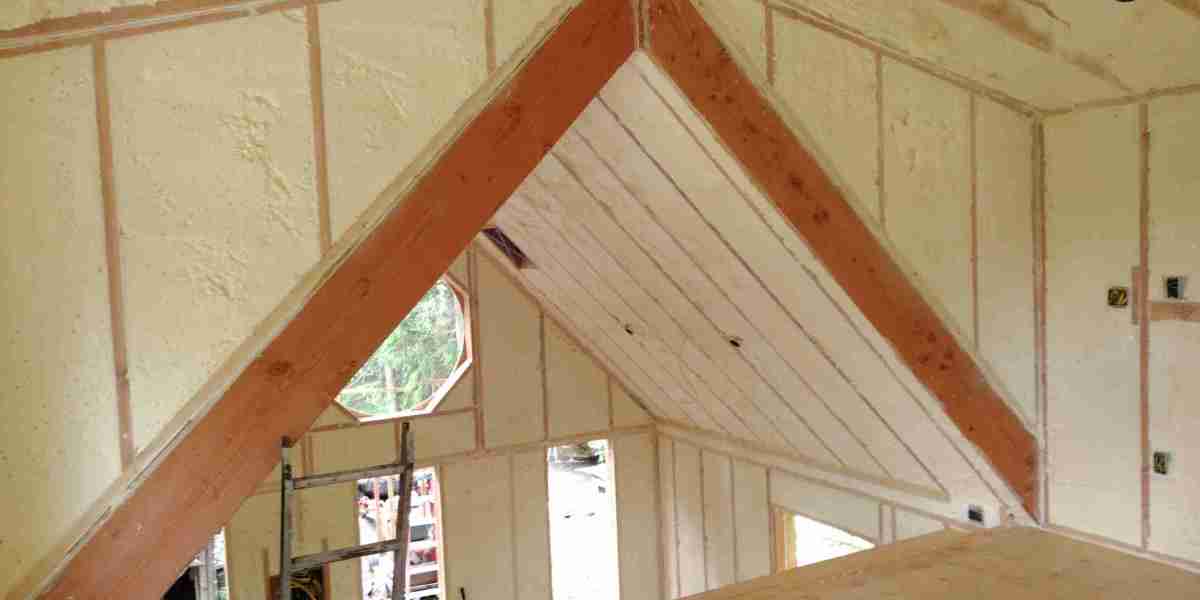

Applying open-cell spray foam to existing structures provides immediate thermal control, stops hidden air leaks, and dampens airborne noise without adding structural stress to older framing. Unlike dense materials that demand wall demolition, low-density foam expands over one hundred times its liquid volume to seal irregular gaps common in aging buildings. This direct guide breaks down the overlooked engineering and economic advantages of this insulation method for building owners.
Retrofitting older properties requires careful balance. You must manage energy efficiency while protecting historic framing, avoiding moisture traps, and staying within structural weight limits. Decades of building science data prove that expanding foam solves these exact challenges by creating an airtight envelope in hard-to-reach cavities.
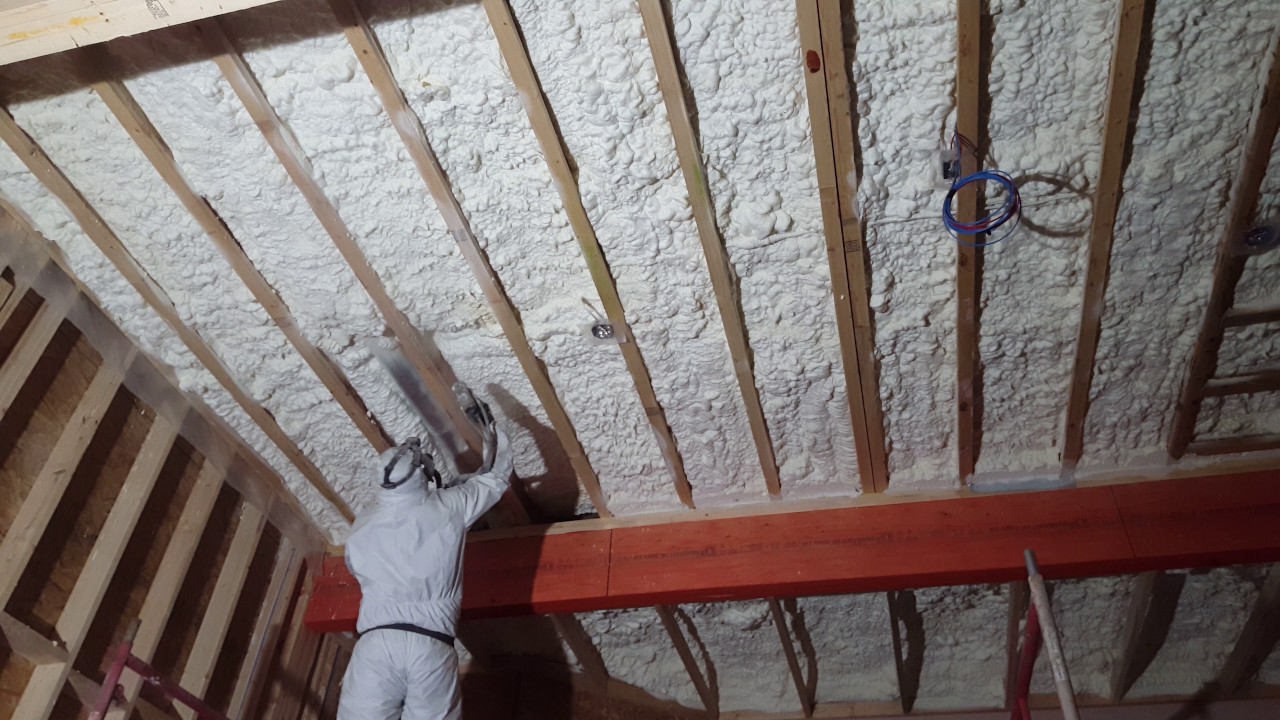
Acoustic Control and Sound Dampening Perks
Street traffic, loud neighbors, and internal plumbing noises often travel freely through older framing. Traditional fiberglass batts leave small gaps where sound waves pass through via air currents.
Open-cell spray foam benefits include exceptional sound attenuation because of its soft, sponge-like cell network. When sound waves enter the open cellular matrix, the friction between air molecules and the flexible cell walls dissipates sound energy into heat.
Sound Transmission Class (STC) ratings improve noticeably across interior partition walls and exterior assemblies.
Low-frequency mechanical rumbles from plumbing stacks and HVAC ductwork drop significantly.
Mid-frequency sounds like human speech, dog barks, and traffic noise get trapped within the porous foam structure.
A standard three-inch application of low-density foam can reduce airborne noise transmission by up to 75 percent compared to standard uninsulated cavities.
Bonus Tip: If you want quiet rooms, apply foam along interior bathroom walls and laundry room partitions during remodel phases to isolate water pipe vibration.
Structural Air Sealing Without Adding Excess Dead Weight
Older foundations and roof rafters often cannot carry the weight of dense modern insulation materials. Adding heavy boards or thick closed-cell applications across broad ceiling spans can introduce unwanted dead loads to aging timber.
Installing open-cell spray foam on an existing structure delivers complete air barrier performance at a tiny fraction of the weight. Weighing roughly 0.5 pounds per cubic foot, this material expands gently without pushing drywall off fasteners or bowing aged wall studs.
Insulation Property | Open Cell Spray Foam | Blown-In Cellulose | Fiberglass Batts |
Nominal Density (lbs/cu ft) | 0.5 | 1.5 - 2.0 | 0.5 - 1.0 |
Air Impermeable at Standard Depth | Yes (at 3.5+ inches) | No | No |
Sound Absorption Coefficient (NRC) | 0.70 - 0.75 | 0.60 - 0.70 | 0.60 - 0.65 |
Cavity Expansion Fill Quality | Complete / Monolithic | Settles over time | Prone to gaps |
Added Load on Aged Rafters | Minimal | Moderate | Minimal |
The gentle expansion lets the material reach behind electrical boxes, around irregular plumbing pipes, and into framing cracks that traditional batts can't reach. This complete fill stops convection currents inside wall cavities, which prevents hidden thermal bypasses.
Why Do Property Owners Overlook Long-Term Energy Reductions?
Most building owners only look at the labeled R-value per inch when comparing insulation types. This narrow comparison ignores the massive impact of uncontrolled air leakage on monthly heating and cooling bills.
Air leakage accounts for nearly 40 percent of total energy loss in an older existing structure. Standard fibrous insulation allows air to pass through it like a furnace filter. Foam stops air movement entirely once applied at the proper depth, keeping conditioned air inside living zones.
HVAC equipment runs shorter cycles because conditioned air stays stable inside the rooms.
Drafts around baseboards, wall outlets, and ceiling fixtures disappear completely.
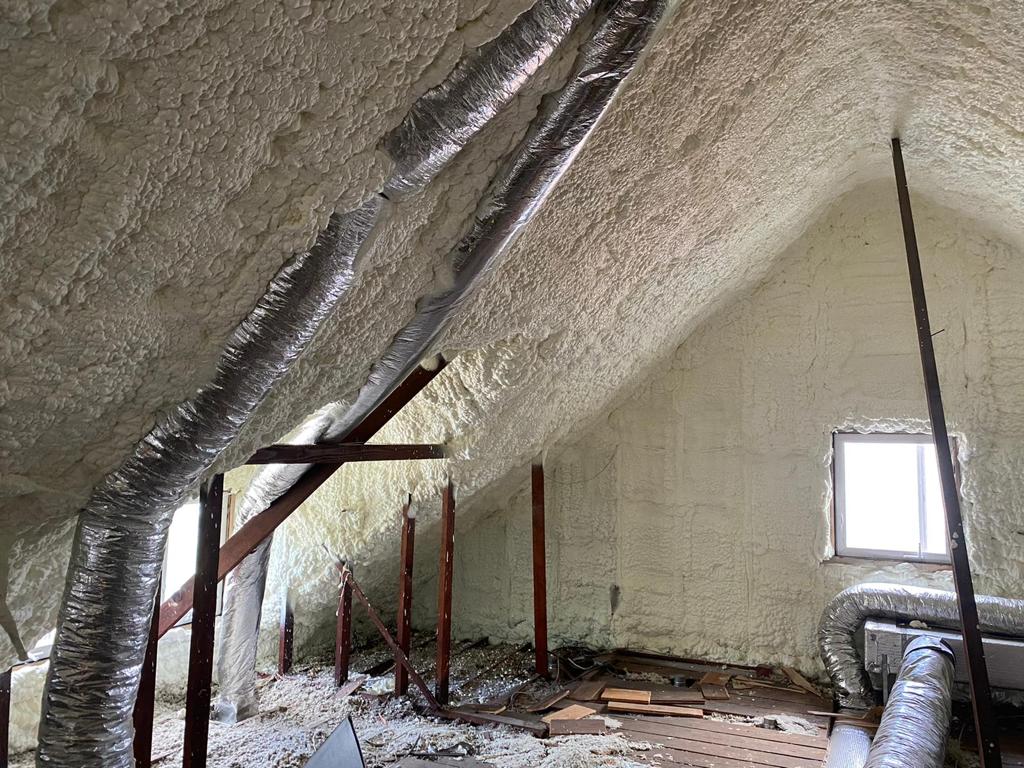
Unvented attic configurations bring ductwork into the conditioned space, eliminating thermal duct losses.
Data from building performance audits indicates that sealing air leaks with open-cell spray foam upgrades cuts annual heating and cooling expenses by 15 to 30 percent in properties built before modern energy codes.
Bonus Tip: Seal your attic floor or roof deck first. The stack effect forces the highest volume of heated air out through the top of your building during cold months.
Indoor Air Quality and Pest Defense Mechanisms
Unsealed wall cavities act as chimneys that draw dust, pollen, mold spores, and outdoor pollutants directly into living spaces. This airflow also creates highway systems for insects and small rodents seeking warmth.
The monolithic seal created by existing structure open-cell spray foam blocks these hidden airflow pathways. By cutting off air infiltration from crawl spaces and dusty attics, your indoor air stays cleaner throughout seasonal weather shifts.
Outdoor allergens and particulate matter cannot bypass the sealed exterior envelope.
Foam expands tightly into framing junctions, blocking pest access points and insect travel routes.
The material does not serve as a food source for insects or vermin.
Because low-density foam remains breathable to vapor while stopping bulk air movement, it allows structural timber to dry out if moisture ever enters the cavity.
The true open-cell spray foam value lies in this vapor permeability, allowing wooden members to dry toward either the interior or exterior depending on the season, which minimizes dry-rot risks in older timbers.
Factors to Review Before Choosing Retrofit Insulation
Before scheduling an insulation overhaul, you must assess several property conditions to determine the right application approach.
Roof Condition: Ensure your roof shingles and underlayment have no active leaks before applying foam to the underside of roof decking.
Existing Moisture Levels: Wood framing moisture content must read below 18 percent prior to spraying chemical foam.
Ventilation Plans: Tightly sealed structures require balanced mechanical ventilation, such as an ERV or HRV system, to keep fresh air circulating.
Proper Foam Selection: While open-cell spray foam performs brilliantly for attics, above-grade walls, and soundproofing, below-grade crawl spaces with direct ground contact may require moisture-impermeable materials.
Evaluating your building as a complete system ensures your open-cell spray foam installation delivers maximum performance for decades.
Bonus Tip: Always ask your contractor to complete a blower door test before and after installation to measure your real drop in air infiltration.
Summary of Practical Building Upgrades
Upgrading older properties requires solutions that deliver high thermal efficiency without straining original framing. Low-density expanding foam seals air leaks, reduces outside noise, improves indoor air quality, and allows aged wooden members to dry safely. Review your building envelope needs, inspect existing roof surfaces, and evaluate your air exchange equipment to get the best return from your insulation upgrade.
Connect with an Experienced Insulation Contractor for a Free Project Estimate
Upgrading an older property requires proper material selection and precise application. You can work with Polyseal Insulation to evaluate your building envelope, address hard-to-seal drafts, and get a tailored plan for your retrofit project. Their technicians offer Residential Spray Foam, Open-Cell Spray Foam, Closed-Cell Spray Foam, and complete Retrofit Insulation services. Contact their team today at (907) 341-4848 or email [email protected] to request your free quote.
Common Questions About Retrofit Spray Foam Applications
Does open cell insulation trap moisture inside wall cavities?
No, low-density foam is vapor permeable. It allows moisture vapor to diffuse through the material naturally, which lets wood studs dry out safely rather than trapping moisture against the framing.
How does open-cell foam perform in cold winter climates?
It performs very well when installed at proper thicknesses to prevent warm indoor air from contacting cold roof sheathing. In extreme cold zones, contractors often pair it with a smart vapor retarder on the warm side.
Can you spray open-cell foam directly against existing roof decking?
Yes, technicians spray open-cell material directly to the underside of clean, dry wood roof sheathing to create an unvented, conditioned attic space.
How long does open-cell foam last in an older building?
When protected from direct ultraviolet sunlight, low-density foam does not sag, settle, or degrade over time. It maintains its air-sealing properties for the remaining life of the building.
Will open-cell foam emit odors after curing?
Properly mixed and sprayed foam cures fully within 24 hours. Once the chemical reaction finishes and the space is ventilated, the cured material becomes inert and odorless.