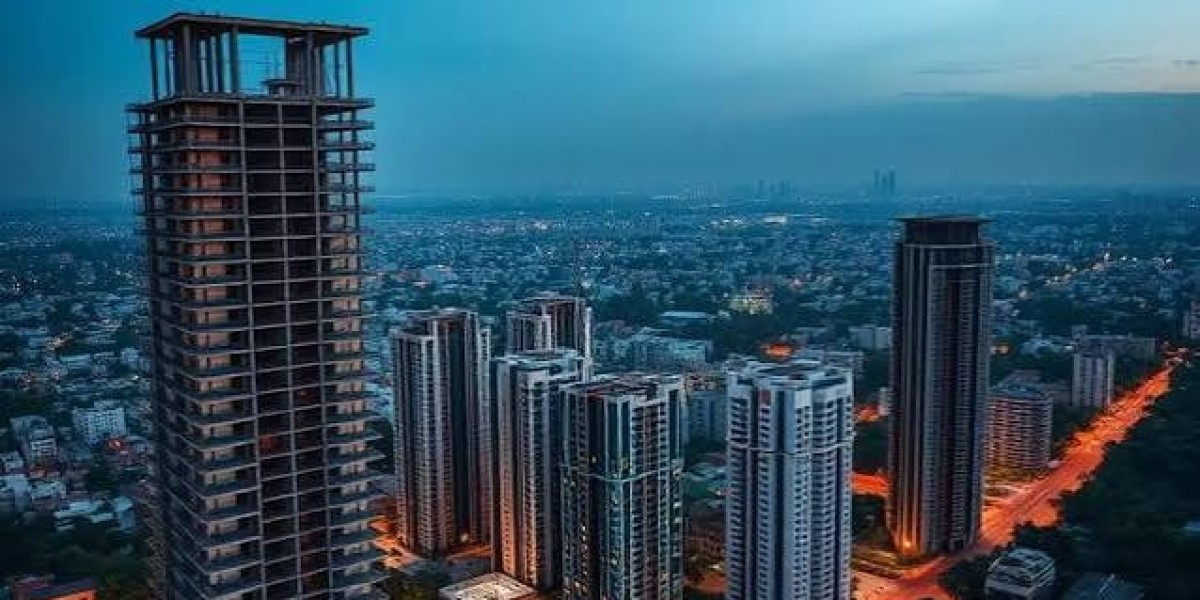

Bengaluru's residential real estate map is undergoing a structural reset as the city moves into 2026. Buyers and investors are increasingly looking beyond the once-dominant Outer Ring Road corridor, driven by saturation, affordability pressure, and declining liveability. This shift has elevated several peripheral and transit-oriented micro-markets into mainstream consideration, reshaping how residential value is created in the city. For those exploring Residential Properties, these emerging corridors offer a compelling combination of accessibility, affordability, and long-term appreciation potential.
What's Driving the Shift to New Micro-Markets?
For more than a decade, the Outer Ring Road belt anchored Bengaluru's housing growth, driven by its dense concentration of technology offices and predictable rental demand. That equation is now weakening. Traffic congestion, stretched civic infrastructure, and sharp price escalation have reduced the corridor's appeal, particularly for mid-income households. Urban mobility studies indicate that peak-hour commute speeds in the ORR zone have fallen to levels that directly affect daily productivity and quality of life.
Infrastructure has emerged as the primary driver of this shift. Expansion of the city's metro network, progress on suburban rail, improved airport connectivity, and new business corridors are reshaping how residential value is created. Homes located within walking or short driving distance of mass transit routes are consistently outperforming less-connected locations in both rental stability and long-term price appreciation.
North Bengaluru: The Future-Ready Corridor
North Bengaluru has emerged as the leading performer in the city, with areas such as Hebbal, Thanisandra, Jakkur, Hennur, Yelahanka, and Airport Road emerging as future growth destinations. The region has surpassed East Bengaluru in residential launches and sales for the first time.
For those seeking the Best Properties in Bangalore, the northern belt—particularly Hebbal, Devanahalli, and surrounding areas—offers 20–25% year-on-year appreciation potential in select pockets. The presence of the Kempegowda International Airport has expanded commercial developments, and the upcoming Blue Line metro has added to the area's appeal. Large-scale infrastructure projects, expanding business districts, and a growing employment base are collectively shaping the region's development trajectory.
Major developers are taking note. Puravankara has signed a joint development agreement for an 11.23-acre land parcel in Doddagubbi, North Bengaluru, with an estimated gross development value of ₹1,100 crore. The area offers connectivity to key hubs such as Hennur, Hebbal, Yelahanka, Manyata Tech Park, and the Kempegowda International Airport.
East Bengaluru: The Rental-Led Market
East Bengaluru, encompassing established zones such as Whitefield and Sarjapur Road, continues to benefit from strong office absorption and remains a rental-led market. These areas offer relatively stable yields, supported by sustained employment density, but are increasingly showing signs of price maturity.
Despite relatively higher prices, Whitefield and Sarjapur Road continue to remain favoured among investors focused on rental income, supported by sustained IT and commercial development in the region. The Whitefield–Sarjapur corridor is witnessing significant activity, with Brigade Group signing a joint development agreement for an 8.63-acre parcel in Gunjur, unlocking a larger 39-acre integrated residential township with an estimated gross development value of ₹7,200 crore.
South Bengaluru: Value and Liveability
South Bengaluru follows second in the growth race. Traditionally known for mid-segment housing, the region is witnessing a gradual shift towards premium residential developments. Key locations such as Sarjapur Road, Begur, Electronic City, Bannerghatta Road, and Kanakapura Road are benefiting from operational connectivity projects.
Electronic City remains one of India's largest tech hubs, with campuses of Infosys, Wipro, Tech Mahindra, and TCS driving sustained housing demand. Established road connectivity, metro access, and comprehensive amenities make this corridor attractive for both end-users and investors. Kanakapura Road and Electronic City are drawing first-time buyers and mid-income households seeking affordability and connectivity.
Affordable Housing Options
For budget-conscious buyers, several emerging micro-markets offer attractive entry points. Hoskote Road, K R Puram, and Chandapura remain among the more affordable micro-markets in Bangalore. The Karnataka government has also proposed amendments to the zonal regulations of the Revised Master Plan to boost affordable housing for middle-class families.
Conclusion
Bengaluru's housing market is no longer defined by a single road or corridor. Instead, it is being reshaped by connectivity, liveability, and the ability of micro-markets to support inclusive and resilient urban living. Whether you are looking for long-term capital appreciation in North Bengaluru, stable rental yields in East Bengaluru, value-for-money options in South Bengaluru, or affordable housing in emerging corridors, the city offers diverse opportunities for every type of buyer.
The Bangalore Real Estate market continues to attract homebuyers and investors with its strong fundamentals, infrastructure development, and sustained demand. By understanding these emerging micro-markets, you can make a smarter investment decision and secure a valuable asset for the future.