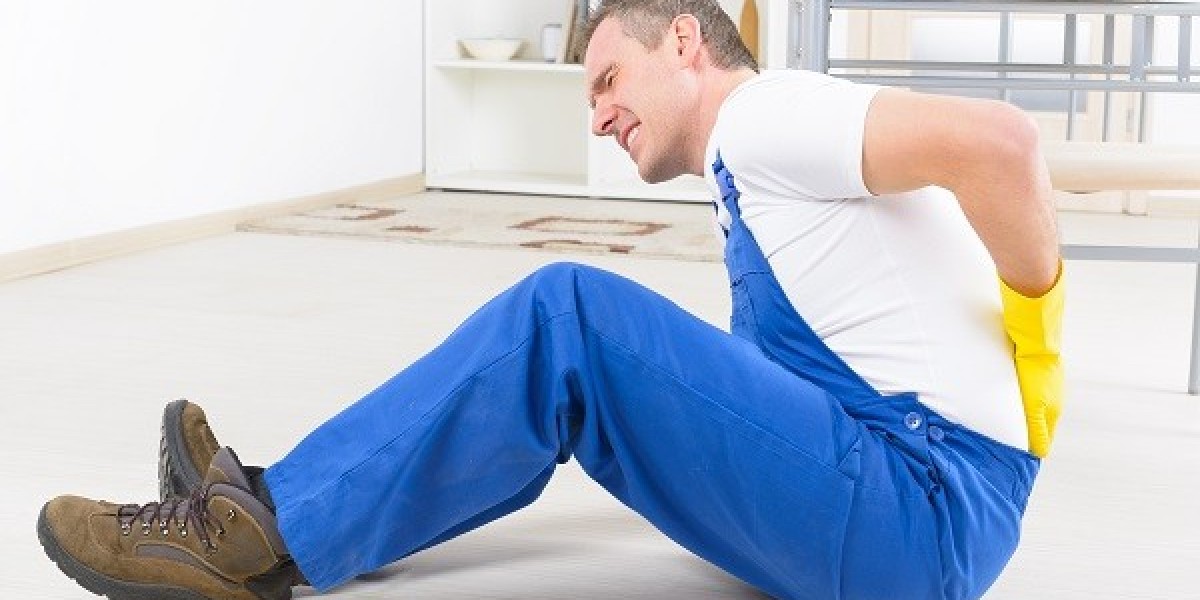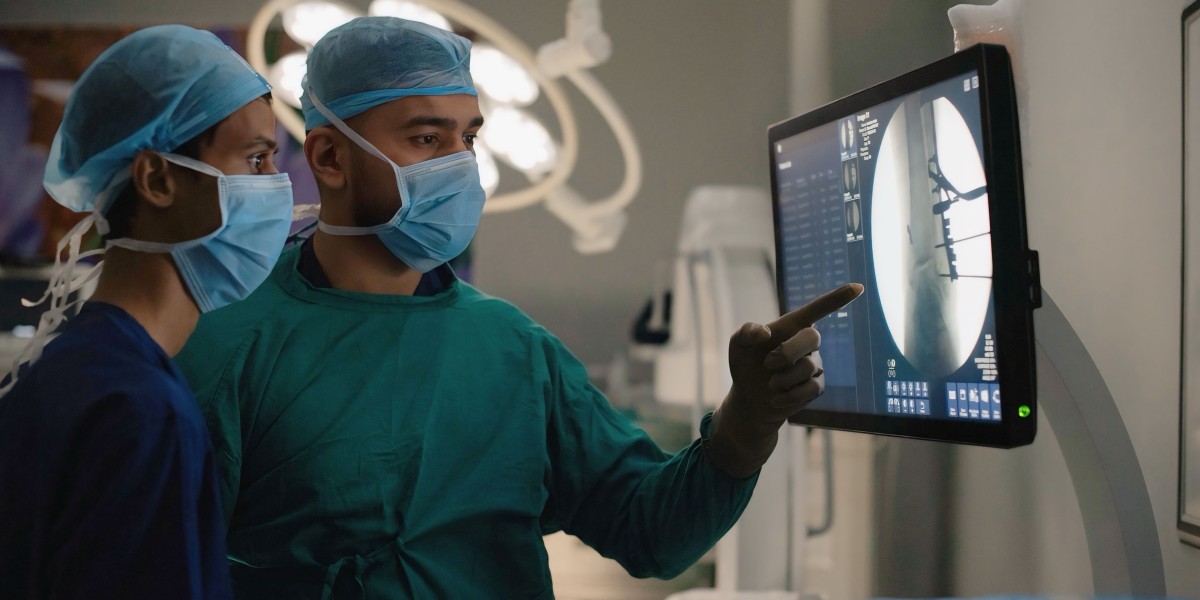

Sports and physical activities offer numerous health benefits, including improved cardiovascular fitness, stronger muscles, better flexibility, and enhanced mental well-being. Whether someone is a professional athlete, a recreational sports enthusiast, or simply enjoys staying active, regular physical activity contributes significantly to overall health. However, participation in sports also increases the risk of injuries that can affect muscles, ligaments, tendons, bones, and joints.
Sports injuries can occur suddenly due to trauma or develop gradually because of repetitive stress and overuse. While some injuries are minor and heal quickly, others may require specialized treatment and rehabilitation to restore full function. Ignoring symptoms or returning to activity too soon can increase the risk of long-term complications and recurrent injuries.
When pain, swelling, instability, or reduced performance begins to interfere with physical activity, consulting a qualified sports injury doctor in Malad can help ensure accurate diagnosis, effective treatment, and a safe return to sports.
Understanding Sports Injuries
A sports injury refers to any injury that occurs during exercise, training, or athletic activities. These injuries can affect:
- Muscles
- Ligaments
- Tendons
- Bones
- Cartilage
- Joints
Sports injuries can range from mild strains and sprains to severe fractures, ligament tears, and dislocations.
Understanding the causes and risk factors associated with sports injuries can help athletes minimize their chances of injury and maintain long-term performance.
Types of Sports Injuries
Sports injuries are generally classified into two categories:
Acute Injuries
Acute injuries occur suddenly during physical activity.
Examples include:
- Fractures
- Dislocations
- Ligament tears
- Muscle strains
- Ankle sprains
These injuries are often caused by falls, collisions, sudden twists, or direct impact.
Overuse Injuries
Overuse injuries develop gradually due to repetitive stress on muscles, tendons, or joints.
Examples include:
- Tennis elbow
- Runner’s knee
- Shin splints
- Achilles tendonitis
- Stress fractures
These injuries often result from repetitive movements without adequate recovery time.
Common Sports Injuries
Ankle Sprains
Ankle sprains are among the most common sports injuries.
They occur when the ligaments supporting the ankle are stretched or torn due to sudden twisting movements.
Symptoms may include:
- Pain
- Swelling
- Bruising
- Difficulty walking
ACL Injuries
The Anterior Cruciate Ligament (ACL) is one of the primary stabilizing ligaments in the knee.
ACL injuries commonly occur during:
- Football
- Basketball
- Cricket
- Volleyball
- Tennis
Symptoms often include:
- A popping sensation
- Rapid swelling
- Knee instability
- Difficulty bearing weight
Meniscus Tears
The meniscus acts as a shock absorber within the knee joint.
Meniscus tears often occur during sports that involve sudden twisting or pivoting movements.
Hamstring Strains
Hamstring injuries are common among runners and athletes who perform explosive movements.
Symptoms include:
- Sudden pain in the back of the thigh
- Muscle tightness
- Weakness
- Swelling
Shoulder Injuries
Sports involving throwing or overhead movements frequently cause shoulder problems.
Common shoulder injuries include:
- Rotator cuff tears
- Shoulder impingement
- Shoulder instability
- Dislocations
Tennis Elbow
Despite its name, tennis elbow affects individuals involved in various sports and occupations.
It occurs due to repetitive stress on the tendons of the forearm.
Stress Fractures
Stress fractures are small cracks in bones caused by repetitive impact.
They commonly affect:
- Runners
- Dancers
- Athletes participating in high-impact sports
Risk Factors for Sports Injuries
Several factors increase the likelihood of injury.
Inadequate Warm-Up
Failing to prepare muscles and joints before activity increases injury risk.
Poor Conditioning
Weak muscles provide less support and stability during physical activity.
Overtraining
Excessive training without sufficient recovery can lead to fatigue and overuse injuries.
Improper Technique
Incorrect movement patterns increase stress on joints and soft tissues.
Previous Injuries
Athletes with prior injuries are often more vulnerable to future problems.
Inappropriate Equipment
Poorly fitted footwear or protective gear can contribute to injury risk.
Warning Signs That Should Not Be Ignored
Many athletes attempt to continue training despite symptoms.
However, early intervention can prevent more serious damage.
Seek professional evaluation if you experience:
- Persistent pain
- Joint swelling
- Reduced range of motion
- Instability
- Recurrent injuries
- Weakness
- Difficulty performing sports activities
- Pain during or after exercise
- Clicking or locking sensations
Ignoring symptoms may lead to chronic problems that require longer recovery periods.
How Sports Injuries Are Diagnosed
Accurate diagnosis is essential for effective treatment.
Medical History
The evaluation begins with a discussion of:
- Symptoms
- Training routine
- Previous injuries
- Activity level
- Mechanism of injury
Physical Examination
The injured area is assessed for:
- Swelling
- Tenderness
- Stability
- Strength
- Mobility
Imaging Studies
X-Rays
Useful for identifying:
- Fractures
- Bone abnormalities
MRI
MRI provides detailed images of:
- Ligaments
- Tendons
- Cartilage
- Muscles
CT Scans
CT imaging is helpful for evaluating complex fractures.
Ultrasound
Ultrasound may be used to assess tendon injuries and soft tissue damage.
Initial Treatment for Sports Injuries
Prompt treatment can significantly improve recovery outcomes.
RICE Method
The RICE protocol remains a commonly recommended first-aid approach.
Rest
Avoid activities that worsen symptoms.
Ice
Applying ice helps reduce swelling and pain.
Compression
Compression bandages help control swelling.
Elevation
Keeping the injured area elevated can reduce inflammation.
Pain Management
Appropriate medications may help relieve discomfort and facilitate recovery.
Non-Surgical Treatment Options
Many sports injuries can be successfully treated without surgery.
Physiotherapy
Physical therapy is often the cornerstone of rehabilitation.
Benefits include:
- Improved flexibility
- Increased strength
- Enhanced balance
- Faster recovery
Activity Modification
Temporary changes in training intensity help prevent further injury.
Bracing and Support
Braces may provide stability while tissues heal.
Injection Therapies
Certain injuries may benefit from:
- Corticosteroid injections
- Platelet-Rich Plasma (PRP) therapy
These treatments are selected based on individual needs and injury characteristics.
When Surgery Is Necessary
Surgery may be recommended when conservative treatment fails or when injuries are severe.
Common surgical indications include:
- ACL tears
- Complex meniscus tears
- Tendon ruptures
- Shoulder instability
- Fractures requiring fixation
The goal is to restore function, stability, and long-term performance.
Common Sports Injury Surgeries
Arthroscopy
Arthroscopy is a minimally invasive procedure used to diagnose and treat joint injuries.
Benefits include:
- Smaller incisions
- Reduced pain
- Faster recovery
- Less scarring
ACL Reconstruction
This procedure restores knee stability after a complete ACL tear.
Meniscus Repair
Depending on the injury, damaged meniscal tissue may be repaired or trimmed.
Rotator Cuff Repair
Surgery may be necessary for significant shoulder tendon tears.
Fracture Fixation
Plates, screws, or rods may be used to stabilize broken bones.
Rehabilitation After Sports Injuries
Recovery does not end once pain subsides.
Proper rehabilitation is essential for restoring:
- Strength
- Flexibility
- Endurance
- Coordination
- Confidence
Phases of Rehabilitation
Pain and Swelling Control
The initial phase focuses on reducing inflammation.
Mobility Restoration
Gentle exercises help restore normal movement.
Strength Building
Progressive strengthening improves stability and performance.
Sport-Specific Training
Athletes gradually return to activities relevant to their sport.
Return-to-Play Assessment
Before returning to competition, athletes should demonstrate adequate strength and function.
Preventing Sports Injuries
Prevention is always better than treatment.
Warm Up Properly
Dynamic warm-up exercises prepare muscles and joints for activity.
Strength Training
Strong muscles support joints and reduce injury risk.
Improve Flexibility
Regular stretching helps maintain healthy movement patterns.
Use Proper Technique
Correct technique reduces unnecessary stress on tissues.
Wear Appropriate Equipment
Protective gear and proper footwear are essential.
Allow Recovery Time
Rest days are critical for preventing overuse injuries.
Stay Hydrated
Adequate hydration supports muscle function and performance.
Psychological Recovery After Injury
Athletes often focus solely on physical recovery, but mental recovery is equally important.
Common emotional responses include:
- Frustration
- Anxiety
- Loss of confidence
- Fear of reinjury
Support from healthcare professionals, coaches, and family members can help athletes maintain a positive mindset during rehabilitation.
The Importance of Early Treatment
Many sports injuries worsen when left untreated.
Benefits of seeking early care include:
- Faster recovery
- Reduced pain
- Prevention of complications
- Improved performance
- Lower risk of reinjury
- Better long-term outcomes
Timely intervention often allows athletes to return to activity more safely and efficiently.
Frequently Asked Questions
What is the most common sports injury?
Ankle sprains, knee injuries, and muscle strains are among the most common sports injuries.
Can sports injuries heal without surgery?
Many injuries respond well to physiotherapy, activity modification, and conservative treatment.
How long does sports injury recovery take?
Recovery depends on the severity of the injury and the treatment approach used.
What should I do immediately after a sports injury?
Rest, ice, compression, and elevation are commonly recommended during the initial stages.
Can I continue exercising with a sports injury?
Continuing activity without proper evaluation may worsen the injury. Professional guidance is recommended.
Conclusion
Sports injuries are an unavoidable reality for many active individuals, but they do not have to result in long-term limitations. Understanding the causes, symptoms, treatment options, and preventive measures can help athletes and fitness enthusiasts protect their musculoskeletal health and maintain peak performance.
From minor strains to complex ligament injuries, early diagnosis and appropriate treatment play a critical role in recovery. Advances in orthopedic and sports medicine have made it possible for many athletes to return to their activities stronger and more confident than before.
With proper rehabilitation, injury prevention strategies, and timely medical care, individuals can continue pursuing their athletic goals while minimizing the risk of future injuries.