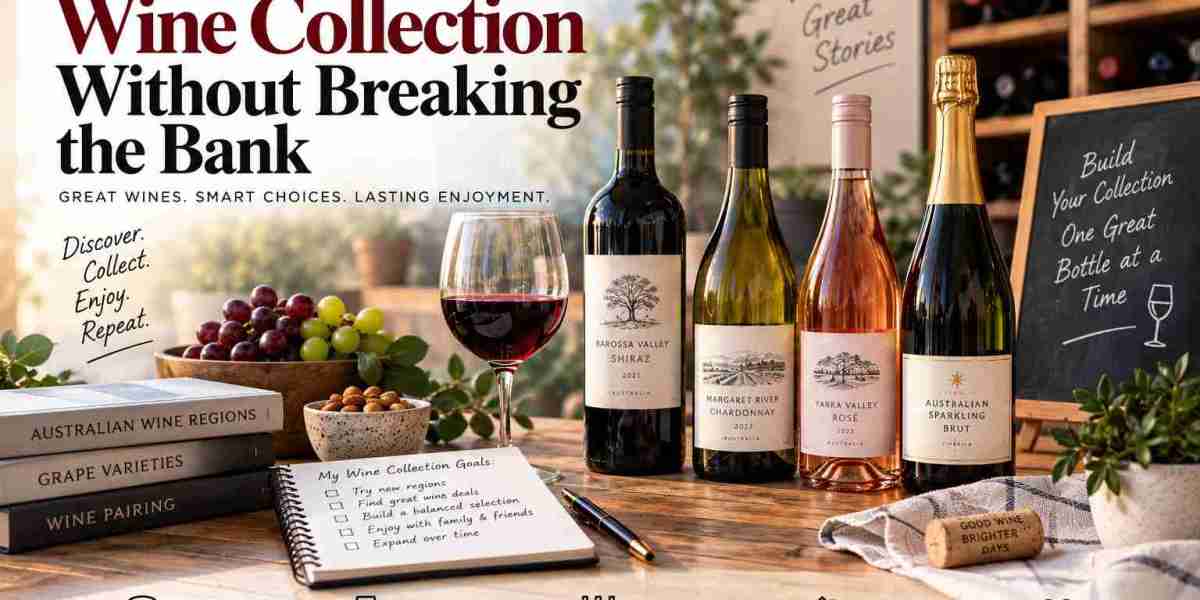

With a little planning, smart buying habits and a focus on wines you genuinely enjoy, you can build a collection that suits your taste and budget. Whether you are starting with a few bottles or looking to expand an existing collection, these practical tips will help you buy better wine without overspending.
Start With Your Personal Wine Preferences
The first step in building a wine collection is understanding what you like to drink. There is no reason to fill your shelves with expensive bottles that do not match your taste.
Think about the wines you already enjoy:
- Do you prefer full-bodied reds or lighter whites?
- Do you enjoy dry wines or slightly sweet styles?
- Are you a fan of Shiraz, Cabernet Sauvignon, Pinot Noir or Merlot?
- Do you prefer Sauvignon Blanc, Chardonnay or Riesling?
- Do you enjoy sparkling wine for celebrations?
Start by buying a few bottles from different varieties and regions. Take notes on what you like about each one. This will help you make more confident buying decisions and avoid spending money on wines that may not suit your preferences.
Set a Realistic Wine Budget
A wine collection should be enjoyable, not financially stressful. Set a monthly or quarterly budget before you start buying bottles.
For example, you could decide to spend:
- $30 to $50 per month on a small collection
- $100 per month on a growing collection
- A specific amount each quarter for special bottles
Your budget does not need to be large. Buying two or three well-chosen bottles regularly can be more rewarding than purchasing a large number of wines without a plan.
It is also helpful to separate everyday drinking wines from bottles you want to save for special occasions. This allows you to enjoy your collection while protecting the bottles you want to keep longer.
Focus on Value Instead of Price
A higher price does not always mean a better wine. Many affordable Australian wines offer excellent quality, flavour and consistency.
When comparing bottles, look beyond the price tag. Consider:
- The grape variety
- The wine region
- The producer
- Customer reviews
- Awards and recommendations
- The wine’s intended drinking style
- Whether the bottle suits your personal preferences
Australian wine regions such as Barossa Valley, McLaren Vale, Hunter Valley, Margaret River and Yarra Valley offer a wide range of wines at different price points. Exploring these regions can help you discover great-value bottles without focusing only on premium labels.
Buy Wine Deals From Trusted Retailers
One of the easiest ways to build a collection on a budget is to look for well-priced bottles from trusted online wine retailers. Special offers, mixed cases and seasonal promotions can help you try more wines while keeping your average bottle cost under control.
When searching for wine deals, compare the total value of the offer rather than looking only at the discount percentage. Check the bottle size, delivery charges, included varieties and whether the wines match your preferences.
A good deal should offer a wine you actually want to drink. Buying unwanted bottles simply because they are discounted can quickly become more expensive than purchasing fewer wines you truly enjoy.
Explore Mixed Wine Cases
Mixed cases are a useful option for anyone who wants variety without spending too much. A mixed case may include several grape varieties, regions or wine styles, allowing you to discover new favourites.
For example, a mixed case could include:
- Shiraz
- Cabernet Sauvignon
- Pinot Noir
- Sauvignon Blanc
- Chardonnay
- Sparkling wine
Mixed cases are especially helpful when you are still learning about wine. You can compare different styles and identify which bottles deserve a regular place in your collection.
Before buying, check whether the case includes wines you already enjoy. A mixed case with a balanced selection is usually more useful than one filled with styles you are unlikely to drink.
Build Your Collection Around Everyday Wines
You do not need to begin with rare vintages or expensive reserve wines. Start with dependable bottles that you can enjoy during dinner, weekends or casual gatherings.
A practical beginner collection might include:
- Two or three red wines
- Two or three white wines
- One sparkling wine
- One bottle for special occasions
- One or two wines from a region you want to explore
Everyday wines form the foundation of your collection. Once you understand your preferences, you can gradually add more distinctive or premium bottles.
Buy by Variety and Region
Organising your collection by grape variety or region can make it easier to explore wine without buying randomly.
Shiraz
Shiraz is a popular choice for Australian wine lovers. Depending on the region and winemaking style, it can offer rich fruit flavours, spice, oak and a full-bodied finish.
Cabernet Sauvignon
Cabernet Sauvignon is known for its structure, dark fruit flavours and firm tannins. It can be a good choice for people who enjoy bold red wines.
Pinot Noir
Pinot Noir is generally lighter and more delicate than many full-bodied reds. It is worth exploring if you prefer smooth texture and red fruit flavours.
Sauvignon Blanc
Sauvignon Blanc is often fresh, crisp and aromatic. It can be a useful addition to a collection for warm-weather drinking and lighter meals.
Chardonnay
Chardonnay can range from fresh and citrus-driven to rich and oak-aged. Trying different styles can help you understand how winemaking influences flavour.
Exploring one variety at a time allows you to compare bottles and develop a clearer understanding of what you enjoy.
Do Not Ignore Lesser-Known Wine Regions
Well-known regions often attract attention, but lesser-known areas can offer excellent value. Smaller or emerging wine regions may produce interesting bottles at more accessible prices.
Look beyond the most famous labels and explore different parts of Australia. You may discover wines with distinctive regional character without paying a premium for brand recognition.
Trying wines from different regions also makes your collection more interesting. Instead of owning several similar bottles, you can build a selection that offers a wider range of flavours and styles.
Buy in Small Quantities First
When you find a wine that looks interesting, avoid buying a large quantity immediately. Start with one or two bottles and see whether you enjoy them.
This approach helps you avoid:
- Buying too much of a wine you do not like
- Filling your storage space with similar bottles
- Spending heavily on an untested producer
- Missing opportunities to explore new varieties
Once you find a bottle that consistently performs well, you can consider buying more during a promotion or mixed-case offer.
Keep Notes on the Wines You Try
A simple wine journal can help you build a better collection over time. You do not need to write detailed tasting notes. A few short observations are enough.
Record details such as:
- Wine name
- Grape variety
- Region
- Vintage
- Price
- Where you purchased it
- Food pairing
- What you liked or disliked
You can also rate each bottle based on your own preferences. This will help you identify patterns and make smarter purchases in the future.
For example, you may discover that you prefer medium-bodied Shiraz from cooler regions or crisp Sauvignon Blanc with strong citrus flavours. These insights make future shopping easier and more cost-effective.
Learn When to Buy and When to Wait
Wine prices can change during seasonal promotions, holiday periods and special events. Planning your purchases around these periods may help you get better value.
However, avoid buying simply because a sale is available. Ask yourself:
- Would I buy this wine at its regular price?
- Does it fit my collection?
- Do I have suitable storage space?
- Will I drink it within a reasonable period?
- Is the total cost still within my budget?
A discount is only useful when the bottle is worth owning.
Store Your Wine Properly
Even an affordable bottle deserves proper storage. Poor storage can damage the wine and waste the money you spent on it.
Try to keep your collection:
- Away from direct sunlight
- In a cool and stable environment
- Away from strong vibrations
- At a consistent temperature
- In a place with suitable humidity
- With cork-sealed bottles stored on their side when appropriate
Most everyday wines are designed to be enjoyed relatively young. Do not assume that every bottle will improve with age. If you are unsure, check the producer’s recommendations or plan to drink the wine within a suitable timeframe.
Avoid Buying More Than You Can Store
A wine collection should fit your home and lifestyle. If you have limited storage space, start with a small selection and build gradually.
A crowded cupboard can make it difficult to track what you own. It may also expose bottles to heat, sunlight or temperature changes.
Consider organising your collection by:
- Red, white and sparkling wines
- Drinking order
- Region
- Grape variety
- Special occasion bottles
Keep the wines you plan to drink soon in an easily accessible place, while bottles intended for later can be stored separately.
Plan Your Collection Around Food and Occasions
A useful wine collection should support the way you live. Think about the meals and occasions for which you usually buy wine.
You may want to keep:
- A crisp white wine for seafood
- A medium-bodied red for pasta
- A full-bodied Shiraz for barbecue meals
- A sparkling wine for celebrations
- A lighter red for casual dinners
- A sweet or fortified style for dessert
This approach prevents your collection from becoming a display of random bottles. Every wine has a purpose, and you are more likely to enjoy what you buy.
Consider Buying Older Vintages Carefully
Older wines can be appealing, but they are not always the best choice for a budget collection. Some wines are designed for ageing, while others are best enjoyed when young.
Before buying an older vintage, consider:
- Whether the wine is suitable for ageing
- How it has been stored
- The producer’s reputation
- The vintage conditions
- Whether the price reflects its quality
- How soon you plan to drink it
For beginners, it is often more practical to focus on fresh, ready-to-drink wines and add aged bottles gradually as your knowledge grows.
Build Slowly and Enjoy the Process
The best wine collections are built over time. You do not need to own dozens of bottles immediately. Start with wines you enjoy, explore new varieties and learn from every bottle.
A small collection with variety and purpose is often more rewarding than a large collection filled with expensive wines you rarely drink.
As your confidence grows, you can add:
- Wines from new regions
- Different grape varieties
- Premium bottles for celebrations
- Wines suitable for ageing
- Limited-release or special-edition bottles
The goal is not to create the most expensive collection. It is to create a selection of wines that suits your taste, budget and lifestyle.
Final Thoughts
Building a wine collection without breaking the bank is possible with a clear budget and a thoughtful buying strategy. Start with your favourite varieties, explore different regions, compare value and take advantage of suitable offers. Mixed cases and trusted online retailers can also help you discover new wines without overspending.
Most importantly, buy wines you genuinely want to drink. A collection built around personal taste, variety and enjoyment will always be more valuable than one based only on price or prestige.