
Why Return Friendly Packaging Matters
A package may need to perform more than once. Products purchased online can be opened, inspected, and returned, which means the original packaging sometimes needs to support a second packing cycle.
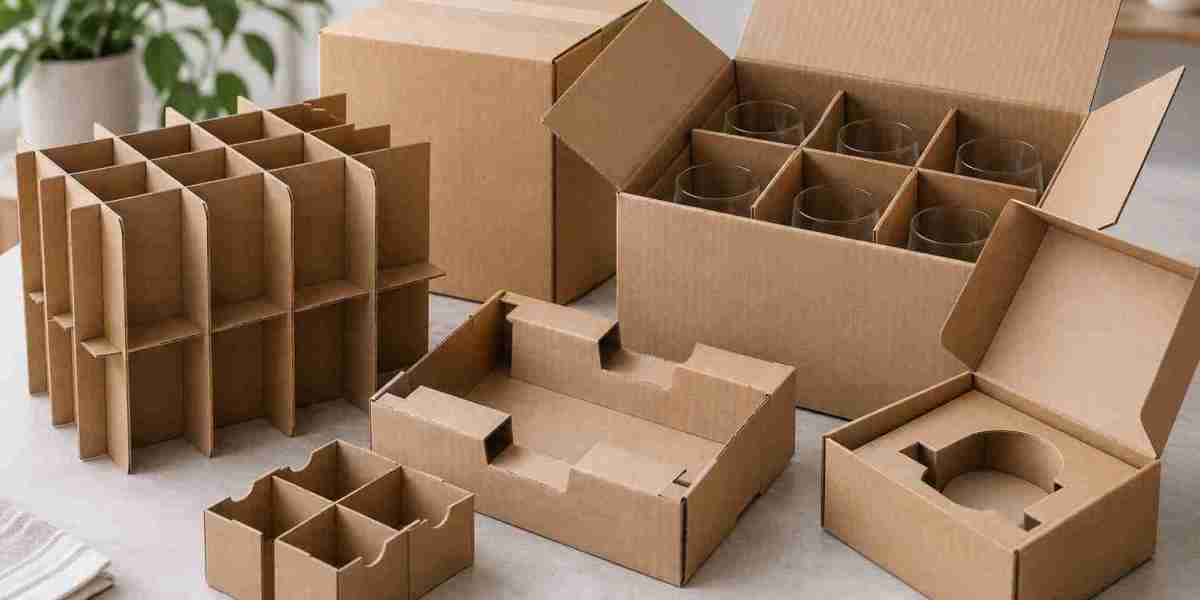
Packaging structures from Inserts Hub can include foam cavities, cardboard supports, corrugated dividers, molded trays, and other internal layouts that hold products in recognizable positions. When repacking is expected, the insert should remain understandable and usable after the first unboxing.
Repacking Is Different From Initial Packing
The original package is normally assembled by someone who already knows the intended layout.
A customer making a return may not have that knowledge.
After opening the box, the customer needs to understand:
- Where the main product belongs
- Where accessories should be placed
- Which direction the product faces
- How the insert fits into the box
- Whether components need to be folded or locked
Complicated inserts can become difficult to reconstruct.
A Clear Product Cavity Helps
A cavity shaped around the main product gives the user a visible indication of where the item belongs.
This is especially useful for electronics, equipment, tools, containers, and other products with recognizable shapes.
The cavity does not need to match every small detail.
It only needs enough structure to make the correct position obvious.
Avoid Too Many Loose Insert Pieces
Multi-piece packaging can create confusion after the package has been opened.
A customer may remove several foam blocks, cardboard panels, or protective pads without remembering where each one was originally positioned.
Where practical, connected or integrated insert structures can simplify repacking.
Reducing loose parts can also lower the chance that an important protective component is discarded.
Accessories Need Defined Locations
Returns often include more than the main product.
Cables, manuals, adapters, applicators, replacement pieces, or tools may need to be returned as well.
If the original package provides no clear place for these items, they may be placed loosely around the product.
This can cause:
- Surface scratches
- Pressure on controls
- Tangled cables
- Missing components
- Poor product positioning
Dedicated accessory compartments make the packing layout easier to reproduce.
Cardboard Inserts Can Be Designed for Reopening
Some cardboard structures use folds or locking tabs that are easy to assemble once but difficult to reopen without damage.
If returns are common, the structure should be reviewed after an actual unboxing test.
Check whether:
- Tabs remain usable
- Fold lines stay intact
- Panels tear during opening
- The insert can be flattened accidentally
- The original shape can be restored
A return-friendly insert does not necessarily need to be reusable many times. It simply needs to survive the expected handling cycle.
Foam Cavities Usually Preserve Their Shape
Foam can be useful in return packaging because the cavity remains visible after the product is removed.
A user can often place the item back into the same opening without instructions.
However, deep cavities can make removal difficult.
Finger access may be needed around:
- Heavy products
- Smooth objects
- Glass containers
- Equipment cases
- Devices with limited gripping areas
The cavity should support both removal and repacking.
Molded Trays Can Show Product Orientation
Molded pulp and other formed trays create specific product positions.
Their shapes can make orientation relatively clear.
This is useful when the product must face a particular direction to avoid pressure on fragile parts.
For example, a raised feature in the tray may prevent a device from being placed upside down.
Avoid Packaging That Depends on Disposable Filler
Loose paper and other filler materials can provide cushioning during the first shipment.
However, a customer may throw them away immediately after opening the package.
If the item later needs to be returned, the protective material is no longer available.
Structured inserts can make the original protection easier to reproduce because their purpose and location remain clear.
Make Product Direction Obvious
Some products can physically fit into a cavity in more than one orientation.
This can create problems if only one position is safe.
A return-friendly design may use:
- Asymmetrical cavities
- Different corner shapes
- Fixed accessory positions
- Unequal side walls
- Keyed cutouts
The aim is to make incorrect placement difficult without requiring detailed instructions.
The Outer Box Should Also Survive Opening
A reusable insert is less useful if the outer box is destroyed during the first opening.
Packages intended for possible returns should consider the complete opening process.
Aggressive tear strips, glued closures, or structures that permanently deform may require a second box for the return.
The insert and carton should therefore be reviewed together.
Protect Sensitive Surfaces During Repacking
Customers may not position products as carefully as trained packing staff.
The insert should provide enough guidance to keep polished, printed, coated, or fragile areas away from rough contact points.
A clear cavity can reduce the amount of judgment required from the person repacking the product.
Consider Heavy Products
Heavy products can be difficult for customers to place accurately into deep packaging structures.
The insert should provide enough access to lower the product safely.
Large finger openings, removable top pieces, or wide entry areas can help.
A structure that requires precise alignment while holding a heavy product may increase the chance of dropping or damaging it.
Test the Package With Someone Unfamiliar With It
One useful test is to give the opened package to someone who did not see how it was originally packed.
Ask that person to repack the product using only the available components.
Observe whether they can determine:
- Product orientation
- Accessory locations
- Insert order
- Box closure method
- Protective component placement
Confusion during this test often reveals where the packaging needs to become more intuitive.
Avoid Unnecessary Assembly Steps
A return should not require the customer to rebuild a complicated structure.
If several tabs need to interlock in a precise order, the insert may be suitable for trained packing staff but less suitable for returns.
Where possible, simplify the sequence.
Consider Returned Product Inspection
Returned goods are often opened again by warehouse or service staff.
A clear insert layout can make inspection easier because all components have expected locations.
Missing accessories can be identified quickly.
The product can also be removed without cutting through unnecessary materials.