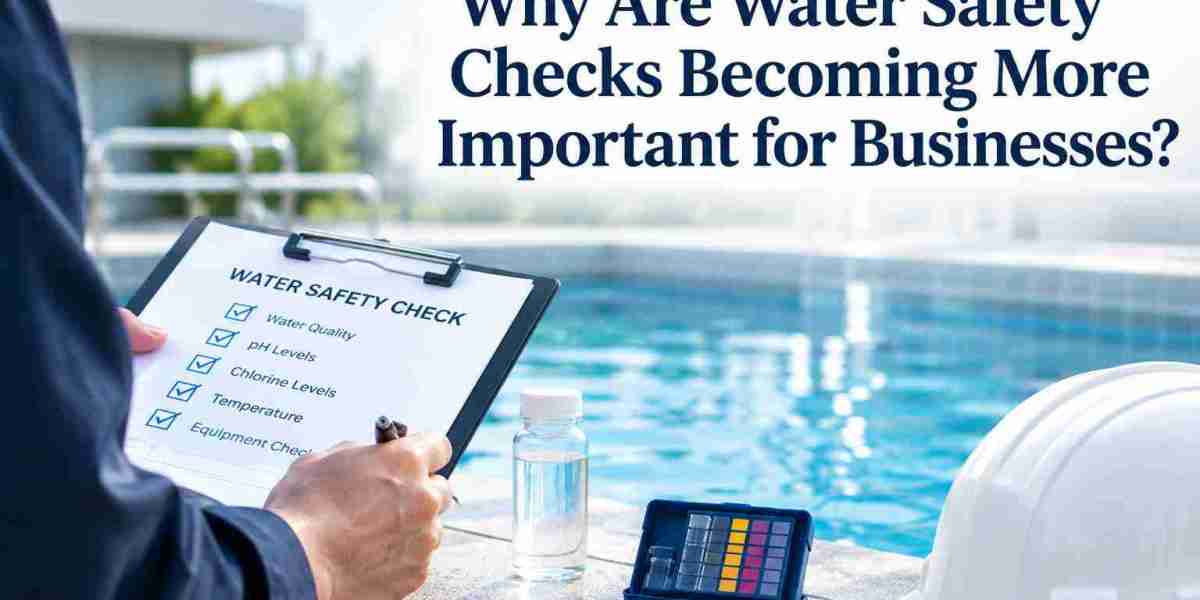

Water safety is becoming a bigger responsibility for businesses because commercial plumbing systems can contain many potential points where clean water could become contaminated. Annual backflow testing is one important part of managing this risk. A backflow prevention device is designed to stop unwanted water or other substances from flowing back into a potable water supply. If the device fails or a cross-connection is left unprotected, contaminants can potentially enter drinking water. The U.S. Environmental Protection Agency (EPA) identifies cross-connections and backflow as important water-quality concerns and recommends appropriate prevention, inspection, testing, and record-keeping programs.
For businesses, the issue is not limited to drinking fountains or kitchen taps. Commercial properties can have irrigation systems, boilers, fire protection equipment, chemical systems, hoses, cooling equipment, and other plumbing arrangements that create potential cross-connections. Changes to a building's plumbing can also introduce new risks over time. Regular water safety checks help identify these problems before they become more serious. Local requirements vary by location, so businesses should follow the rules set by their water supplier, health authority, plumbing authority, or other agency with jurisdiction.
The main reason these checks matter is simple: water contamination may not be obvious until after a problem occurs. Backflow can happen because of changes in water pressure, including conditions that cause contaminated water to move toward a potable supply. The EPA notes that backflow can be difficult to detect and that potential cross-connections can be numerous and unpredictable. For a business, proactive inspection is therefore part of protecting customers, employees, property, and normal operations.
What Is a Water Safety Check?
A water safety check generally involves reviewing a property's plumbing system for conditions that could affect water quality. Depending on the property and local requirements, this may include inspecting backflow prevention devices, identifying cross-connections, checking equipment, reviewing plumbing changes, and confirming that required testing has been completed.
The exact process depends on the type of business and the level of hazard involved. A small office may have different requirements from a restaurant, medical facility, manufacturing site, hotel, or commercial property with extensive irrigation.
The important point is that water safety should be treated as an ongoing responsibility rather than a one-time plumbing task.
Why Are Commercial Properties More Exposed to Water Risks?
Businesses often have more complicated plumbing systems than typical homes. Multiple water uses may exist throughout the same property, and some equipment may contain water or substances that should never enter the drinking water system.
For example, an irrigation system can contain water that is not intended for drinking. A commercial boiler may use chemicals as part of its operation. A restaurant may have numerous hoses, sinks, dishwashing equipment, and other plumbing connections. Manufacturing facilities can have even more complex arrangements.
Each connection creates a reason to understand how water flows through the building.
The EPA describes a cross-connection as an actual or potential connection between potable water and a nonpotable source. If pressure conditions allow water to flow in the wrong direction, contaminants can potentially enter the potable system.
How Can Backflow Affect a Business?
The immediate concern is water quality, but the consequences for a business can extend further.
If a plumbing problem contaminates a water supply, the business may need to stop using affected equipment while the problem is investigated and corrected. Depending on the circumstances and local requirements, corrective work could involve inspection, repairs, additional testing, documentation, or communication with the relevant authority.
There can also be operational costs. A business may need to deal with plumbing repairs, equipment downtime, professional inspections, or other corrective measures.
The EPA specifically notes that cross-connection control programs can help prevent contamination incidents and avoid the costs associated with responding to them.
This is why preventive maintenance can be more practical than waiting for a visible problem.
Why Is Annual Backflow Testing Important?
Annual backflow testing is important for businesses that are required by their local authority or water supplier to test certain prevention devices on a regular schedule. The purpose is to determine whether the device is functioning correctly and providing the protection it is intended to provide.
A device can be installed correctly and still require maintenance over time. Internal components can wear, become obstructed, or stop operating as intended. Regular testing provides a way to identify such problems.
However, businesses should not assume that every property everywhere has identical testing requirements. Testing frequency, device requirements, tester qualifications, reporting procedures, and deadlines can vary between jurisdictions. Businesses should confirm the applicable rules with their local authority or water provider.
The EPA recommends periodic inspection and testing by appropriately qualified or certified testers as part of an effective cross-connection control program.
What Types of Businesses Should Pay Close Attention?
Any commercial property with potential cross-connections should take water safety seriously, but certain facilities may have more complicated risks.
These can include:
- Restaurants and commercial kitchens
- Hospitals and healthcare facilities
- Hotels and large accommodation facilities
- Manufacturing plants
- Industrial properties
- Schools and educational facilities
- Commercial buildings with irrigation systems
- Properties with fire protection systems
- Facilities using boilers or specialized equipment
- Businesses with auxiliary or reclaimed water systems
The actual requirements depend on the plumbing arrangement and local regulations.
For example, some water authorities specifically identify irrigation systems and dedicated fire protection systems as situations where backflow protection may be needed.
What Happens During a Professional Inspection?
A professional inspection should look beyond a single device. The wider plumbing environment matters because a backflow preventer is only one part of a broader cross-connection control strategy.
A qualified professional may review:
- Backflow prevention devices
The device can be checked for proper operation and signs of damage or wear. - Potential cross-connections
Plumbing connections between potable and nonpotable systems can be identified. - Equipment connections
Boilers, irrigation equipment, hoses, chemical systems, and other equipment may require particular attention. - Previous modifications
New plumbing or remodeling work can change the risk profile of a property. - Testing records
Businesses may need documentation showing that required inspections and tests were completed. - Required corrective work
If a problem is identified, the business can arrange appropriate repairs or replacement.
EPA guidance emphasizes installation, testing, maintenance, record keeping, and reporting as important parts of cross-connection control programs.
How Can Businesses Make Water Safety Part of Routine Maintenance?
Water safety does not have to be treated as a separate task that only happens when an authority sends a reminder. Businesses can incorporate it into their normal property maintenance schedule.
Start by keeping an accurate record of water-related equipment. Note where backflow prevention devices are located, when they were installed or last serviced, and when the next required test is due.
Businesses should also document plumbing modifications. A renovation, equipment replacement, or new irrigation connection could change how water moves through the property.
Staff should know who is responsible for arranging required inspections and keeping documentation. Missing a testing deadline because everyone assumed someone else was handling it can create unnecessary problems.
It is also useful to address visible plumbing problems quickly. Leaks, damaged valves, unusual pressure problems, or unauthorized plumbing changes should not simply be ignored.
Why Record Keeping Matters
Good records make water safety easier to manage.
A business that maintains testing reports, repair records, device information, and inspection dates has a clearer picture of its plumbing system. These records can also make it easier to demonstrate compliance when documentation is required.
Record keeping is specifically identified by the EPA as one component of cross-connection control and backflow prevention programs.
A simple maintenance file or digital record can include:
- Device location
- Device type
- Installation date, where available
- Previous testing date
- Test results
- Repairs or replacements
- Next required testing date
- Name or details of the qualified tester
- Relevant authority or water supplier requirements
Keeping this information organized can prevent important dates from being overlooked.
Can Water Safety Checks Reduce Business Costs?
Preventive checks cannot eliminate every plumbing problem, but they can help businesses identify issues before they become larger operational problems.
Consider the difference between discovering a worn component during scheduled maintenance and discovering a serious issue after a contamination concern has already developed. The first situation may involve a planned repair. The second could require urgent investigation and disruption.
Preventive maintenance also gives businesses an opportunity to identify aging equipment and budget for replacement rather than dealing with unexpected failures.
The goal is not to perform unnecessary work. It is to understand the actual risk, follow applicable requirements, and maintain equipment according to professional recommendations and manufacturer instructions.
What Should Businesses Do Next?
Businesses should begin by understanding their property's plumbing system and identifying possible cross-connections. The next step is to determine which backflow prevention devices are installed and whether local rules require periodic testing.
If the business has recently renovated, installed irrigation, added new equipment, changed its plumbing, or expanded its operations, the water safety setup should be reviewed again.
It is also important to use appropriately qualified professionals for required testing. Businesses should keep all documentation and follow the reporting procedures established by their local water authority or regulatory body.
Annual backflow testing Kinsley Irrigation should therefore be viewed as one part of a wider water safety strategy rather than a standalone box to check. Regular inspections, proper maintenance, accurate records, and responsible plumbing practices all work together to reduce the possibility of contamination.
Final Thoughts
Water safety is becoming more important for businesses because commercial plumbing systems can contain many potential cross-connections and sources of risk. Problems may not always be visible, making preventive checks particularly valuable.
Businesses can protect their water supply by understanding their plumbing systems, maintaining backflow prevention equipment, arranging required testing, keeping accurate records, and responding quickly when problems are identified. The EPA recommends cross-connection control and backflow prevention practices as tools for protecting drinking water quality.