
A clunking noise when changing gears can be unsettling, particularly when the sound comes from underneath the vehicle. You may hear it when shifting from reverse to drive, changing gears while driving, accelerating after a gear change or moving between acceleration and deceleration.
A clunk does not always mean the transmission itself is faulty. Several driveline and mechanical components can create similar noises when the vehicle's load changes. Identifying when and how the noise occurs can help narrow down the possible cause.
Driveline Movement
When a vehicle changes gears, the amount and direction of force travelling through the driveline can change quickly. Components such as the tailshaft, universal joints, differential and engine or transmission mounts all experience changes in load.
If one of these components has excessive movement, the sudden change in load can create a noticeable clunk.
This is particularly common when moving from acceleration to deceleration or when selecting drive or reverse. A professional inspection can determine whether the noise is coming from the transmission or another part of the driveline.
Worn Universal Joints
Universal joints allow the driveline to transfer rotational power while accommodating changes in operating angle. Over time, they can develop wear and excessive play.
When the vehicle changes gear, the driveline load changes. A worn universal joint may move within its connection and produce a clunk as the load is applied.
Other symptoms can include vibration, knocking and unusual movement during acceleration.
If the noise is accompanied by vibration or a noticeable jolt when taking off, the universal joints and surrounding components should be inspected.
Tailshaft Problems
The tailshaft is another component that can contribute to a clunking noise during gear changes, particularly in rear-wheel-drive and four-wheel-drive vehicles.
A worn tailshaft component, loose connection, damaged shaft or excessive movement can become more noticeable when the driveline load changes.
If the noise is coming from underneath the vehicle and occurs when changing between reverse, neutral and drive, the tailshaft and related components may need to be checked.
Specialists in drive shafts Melbourne can inspect the driveline and determine whether the tailshaft requires repair, reconditioning or another form of attention.
Worn Centre Bearing
Vehicles with a two-piece tailshaft may use a centre bearing to support the shaft.
The centre bearing helps keep the tailshaft correctly positioned while it rotates. If its bearing or rubber support becomes worn, the shaft may develop excessive movement.
This can result in a clunk when changing gears, accelerating or transitioning between acceleration and deceleration. Vibration and shuddering may also occur.
A worn centre bearing should be assessed along with the rest of the tailshaft assembly because other components may also contribute to the symptoms.
Engine and Transmission Mounts
Engine and transmission mounts are designed to control the movement of the powertrain.
When a mount becomes worn or damaged, the engine or transmission may move more than intended when the vehicle changes gear. This movement can produce a clunk that may sound like it is coming from the transmission or tailshaft.
A technician can inspect the mounting points and determine whether excessive movement is contributing to the noise.
Tailshaft Balance Problems
A tailshaft that is incorrectly balanced can produce vibration and unusual driveline behaviour. Balance problems may develop after damage, incorrect assembly or changes to the shaft.
Although an imbalance is more commonly associated with vibration at particular speeds, it can sometimes occur alongside other driveline symptoms.
tailshaft balancing Melbourne services can help determine whether shaft imbalance is contributing to vibration. However, balancing will not correct excessive play caused by a worn universal joint, centre bearing or other component.
CV Joint Wear
CV joints can also cause noises that drivers may associate with gear changes or acceleration.
A worn CV joint may produce clicking, knocking or vibration, particularly when turning while accelerating. On some vehicles, changes in driveline load can make existing CV joint wear more noticeable.
If the noise occurs mainly while turning, the CV joints should be considered alongside the tailshaft and transmission.
Professional CV joints Melbourne services can help assess whether joint wear is contributing to the vehicle's symptoms.
Damaged CV Boots
The condition of the CV boots can also provide useful information.
CV boots protect the joints from dirt and moisture while keeping grease around the joint. When a boot splits, grease can escape and contaminants can enter.
Over time, this can lead to CV joint wear, which may produce clicking or vibration.
If you notice grease around the inside of a wheel or visible cracking in the boot, CV boots Melbourne services can assess the boot and determine whether the CV joint underneath has also been affected.
Differential and Driveline Components
The differential is another part of the driveline that can experience wear. It allows the driven wheels to rotate at different speeds while transferring power to them.
Excessive movement or wear within the differential can sometimes produce clunking when the vehicle changes load.
Because the differential, tailshaft and other driveline components operate together, diagnosing the exact source of a noise can require inspection of several areas rather than focusing on one component.
Steering Problems Can Cause Similar Noises
Some noises may be mistaken for driveline problems when the actual source is within the steering system.
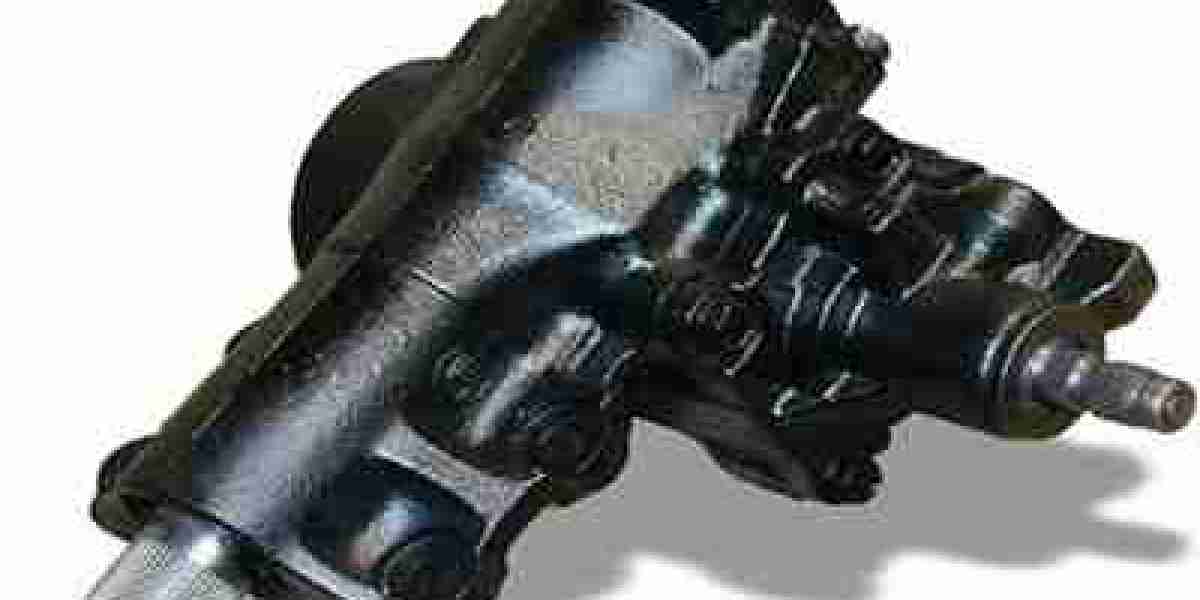
A worn steering rack or steering joint can create knocking or clunking, particularly during low-speed manoeuvres or when the vehicle travels over uneven surfaces.
If the noise occurs mainly while steering rather than during gear changes, the steering system should be checked.
Where the steering rack is suspected, power steering rack Melbourne services can help assess the rack and related components.
When Should You Get the Noise Checked?
A single minor noise may not immediately indicate a serious fault, but repeated or worsening clunking should be investigated.
Arrange an inspection if you notice:
- A loud clunk when selecting drive or reverse
- Knocking during acceleration
- Vibration while driving
- Shuddering when taking off
- Clicking while turning
- Excessive driveline movement
- New steering noises
- Increasing frequency of the clunk
It is particularly important to have the vehicle checked if the noise is accompanied by changes in handling or noticeable vibration.
How Is a Clunking Noise Diagnosed?
A technician will generally consider when the sound occurs, where it appears to come from and what other symptoms are present.
The inspection may include the tailshaft, universal joints, centre bearing, CV components, engine and transmission mounts, differential and related driveline connections.
The vehicle's behaviour during acceleration, deceleration and gear changes can provide useful clues. This helps distinguish between a transmission-related issue and a driveline component that is reacting to the change in load.
Why Early Inspection Matters
Continuing to drive with a worn driveline component can allow the problem to become more pronounced. Excessive movement may place additional stress on nearby components and potentially lead to further wear.
Early diagnosis can help determine whether the vehicle needs a relatively straightforward component repair, balancing, reconditioning or another type of service.
Rather than replacing parts based only on the sound, identifying the actual source of the clunk can help ensure the appropriate component is addressed.
Final Thoughts
A clunking noise when changing gears can have several possible causes. Worn universal joints, tailshaft components, centre bearings, engine mounts, transmission mounts, CV joints and differential components can all contribute to driveline noises when the vehicle's load changes.
The timing of the clunk is an important clue, but it is not enough to identify the exact cause on its own. A professional inspection can assess the complete driveline and determine where the excessive movement or noise is coming from.
If your vehicle develops a persistent clunk when changing gears, accelerating or moving between drive and reverse, having it inspected early can help identify the issue before additional wear develops.