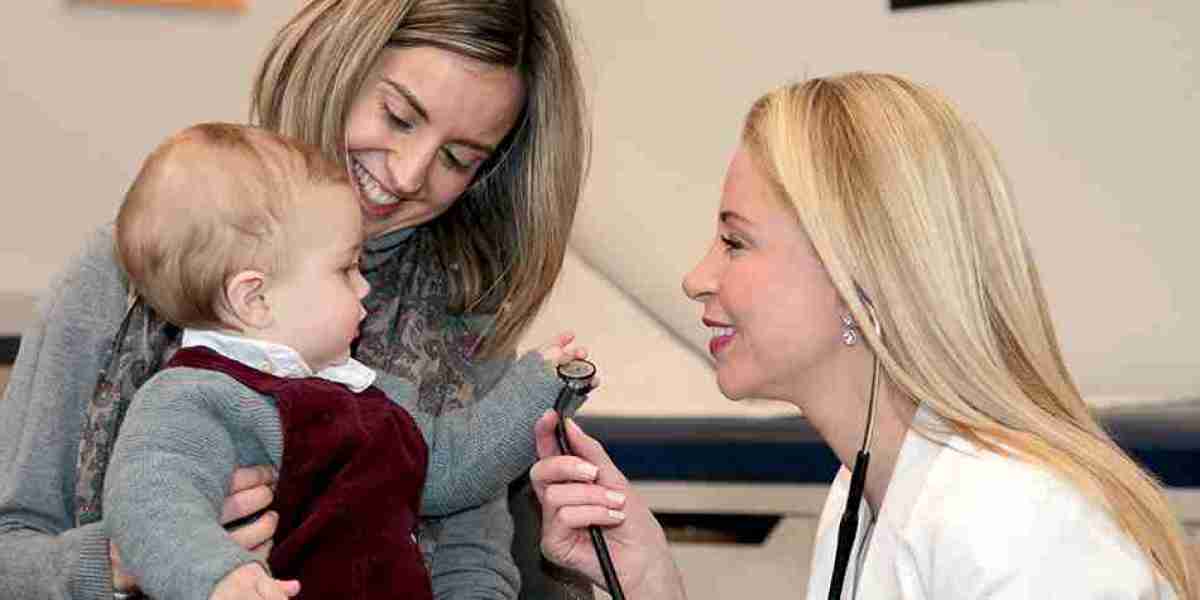

Taking a child to a GP appointment can sometimes feel difficult for parents, particularly when the child is young or unable to clearly explain how they are feeling. Preparing some basic information before the appointment can make the consultation more organised and help the GP understand the child's concerns.
For families considering a Private GP For Children In UK, preparation can include noting symptoms, bringing relevant medical information, preparing questions, and ensuring that important documents are available. A well-prepared consultation gives parents an opportunity to describe their child's health concerns clearly and discuss appropriate next steps with the GP.
Whether the appointment is for a new concern, an ongoing health issue, or a general medical discussion, preparation can help make the consultation more productive.
Why Should Parents Prepare Before a Child's GP Appointment?
Children may find it difficult to describe symptoms accurately, especially when they are very young. Parents or guardians often provide much of the information needed during a GP consultation.
Before the appointment, it can be helpful to think about when the concern began, how it has changed, and whether anything appears to make it better or worse.
Having this information ready can help the GP build a clearer picture of the child's situation and decide what should be discussed during the consultation.
Write Down the Main Reason for the Appointment
One of the simplest preparation steps is to identify the main reason for the appointment.
Parents may have noticed a particular symptom, a change in behaviour, a recurring concern, or something affecting the child's everyday activities. Writing down the main concern before the appointment can help ensure that important points are not forgotten during the consultation.
If there are several concerns, parents can make a short list and explain which issue is the main priority.
Keep a Record of Symptoms
A symptom record can provide useful information during a child's GP appointment. Parents can note when the symptom first appeared and whether it has remained consistent or changed over time.
Depending on the concern, useful details may include:
- When the symptom started
- How frequently it occurs
- How long each episode lasts
- Whether it happens at a particular time of day
- Activities or situations associated with it
- Changes noticed since it began
The purpose of keeping notes is not to diagnose the child at home but to provide the GP with a clearer history.
Note Any Changes in the Child's Routine
Parents may also find it useful to consider changes in the child's normal routine.
For example, changes in sleeping patterns, appetite, school participation, activity levels, or general behaviour may be relevant to the consultation.
Children's routines naturally change as they grow, so the GP can consider these details alongside the main reason for the appointment.
Bring Information About Previous Medical Care
If the child has previously seen a GP, paediatrician, specialist, or another healthcare professional, parents should provide relevant information where available.
This may include previous diagnoses, investigations, treatments, or recommendations.
A history of previous healthcare appointments can help the GP understand the child's medical background and avoid relying solely on the current symptoms.
Prepare a List of Current Medicines
Parents should know which medicines or treatments their child is currently using. This includes prescribed medicines and, where relevant, medicines purchased without a prescription.
It can be useful to bring the packaging or a written list showing the name, strength, and how often the medicine is taken.
This information allows the GP to consider the child's current treatment as part of the overall consultation.
Bring Relevant Health Records
Parents may need to bring or provide access to relevant health records where appropriate.
Depending on the child's circumstances, this could include vaccination information, previous medical letters, test results, or records from other healthcare providers.
Having relevant documentation available can make it easier to discuss the child's health history accurately.
Prepare Questions in Advance
Parents often have several questions but may forget some of them once the consultation begins. Writing questions down beforehand can help.
Questions might relate to what the GP has observed, whether further assessment is needed, what follow-up may be appropriate, or what parents should monitor at home.
There is no need to prepare a long list. A few clear questions can help ensure that the main concerns are addressed during the appointment.
Explain the Child's Symptoms in Everyday Language
Parents do not need to use medical terminology when describing their child's symptoms.
Simple descriptions are often helpful. Parents can explain what they have observed and describe how the child's behaviour or routine has changed.
For example, instead of trying to name a condition, a parent can explain exactly what they have noticed. The GP can then ask follow-up questions and carry out an appropriate assessment.
Consider What the Child Has Experienced Recently
It can be useful to think about recent events that may be relevant to the appointment.
Parents may want to mention changes in routine, school attendance, travel, activities, eating habits, sleep, or other circumstances if they appear relevant to the child's concern.
Not every recent event will be medically significant, but providing context can help the GP understand the wider situation.
Help Younger Children Prepare for the Appointment
Younger children may feel uncertain about visiting a GP. Parents can explain the appointment in simple, age-appropriate language.
Rather than overwhelming the child with medical details, parents can explain that the doctor will ask some questions and check how they are feeling.
Allowing the child to ask questions can also help them feel more comfortable participating in the consultation.
Encourage Older Children to Describe Their Symptoms
Older children and teenagers can often provide valuable information about their own symptoms.
Parents can encourage them to think about what they have noticed and explain it in their own words. During the appointment, the GP may speak directly with the child or teenager as well as the parent.
Giving young people an opportunity to describe their concerns can help ensure that their own experience is included in the consultation.
Prepare Information About Family Medical History
Family medical history can sometimes be relevant to a child's assessment. Parents may therefore want to consider whether close family members have particular medical conditions that could be relevant.
The GP will decide which aspects of family history are important to the current consultation.
Parents do not need to memorise every detail. Providing information that they already know can be sufficient for the GP to ask further questions where necessary.
What Should Parents Tell the GP About Development?
For younger children, developmental information may be relevant depending on the reason for the appointment.
Parents may be asked about areas such as speech, movement, learning, social interaction, sleep, or everyday activities.
The information required will depend on the child's age and the reason for the appointment. Parents can simply describe what they have observed and discuss any concerns with the GP.
What If the Appointment Is for an Ongoing Concern?
For an ongoing health concern, it can be particularly helpful to bring a record of how the issue has changed since the previous appointment.
Parents can note whether symptoms have become more or less frequent, whether the child has responded to previous recommendations, and whether any new symptoms have appeared.
This information can help the GP compare the child's current situation with their previous history.
What If Parents Are New to the UK?
Families who have recently moved to the UK may have medical records from another country. These can still be useful during a GP appointment.
Parents considering a Private GP For Expats In UK can bring relevant medical documents from previous healthcare providers where possible. These may include vaccination records, previous diagnoses, medication lists, or medical letters.
If documents are not in English, parents can ask the clinic whether translation or additional documentation would be useful before the appointment.
Can Grandparents or Other Carers Attend?
Depending on the circumstances and the child's age, a parent, guardian, or another appropriate adult may accompany the child.
If someone other than the child's usual parent or guardian is attending, it can be helpful to ensure that they have relevant information about the child's health history and the reason for the appointment.
This can help the GP receive an accurate account of the child's concerns.
How Can Families Make the Most of a Private GP Appointment?
Private GP appointments can provide families with an opportunity to discuss their child's health concerns in a dedicated consultation.
To make the appointment as useful as possible, parents can arrive prepared with relevant information rather than trying to remember everything during the consultation.
For families considering a Private GP For Children In UK, useful preparation includes symptom notes, medication information, previous medical records, and a list of questions.
What About GP Care for Older Adults?
Families often arrange healthcare appointments for several generations. While children's appointments require age-appropriate communication and information, older adults may have different healthcare needs.
For families looking for a Private GP For Elderly In UK, preparing a list of current medicines, previous diagnoses, ongoing health concerns, and recent changes can similarly help provide useful background for the consultation.
The exact information needed will depend on the individual and the reason for the appointment.
Preparing for a Follow-Up Appointment
Preparation can also be useful when returning for a follow-up consultation.
Parents can review what was discussed previously and make notes about any changes since the last appointment. If the GP recommended monitoring a particular symptom or aspect of the child's health, parents can bring the observations they have made.
This can help the GP compare the child's current situation with earlier information.
Booking a Private GP Appointment for a Child in the UK
Parents who would like to discuss their child's health with a private GP can arrange an appointment and prepare relevant information beforehand.
At Well Life Clinic, families can discuss their healthcare concerns as part of a private GP consultation. Parents can use the appointment to explain their child's symptoms, medical history, and any questions they have about their child's health.
A structured consultation allows the GP to consider the information provided and discuss appropriate next steps based on the individual child.
Conclusion
Preparing before a GP appointment can help parents communicate their child's health concerns clearly and make the consultation more organised. Useful preparation may include writing down symptoms, noting changes in routine, bringing medication information, gathering relevant medical records, and preparing questions.
For families considering a Private GP For Children In UK, preparation is particularly helpful because younger children may not always be able to explain their symptoms in detail. Parents and guardians can provide important background information while allowing older children to describe their experiences in their own words.
Families who require healthcare support for different age groups may also consider services such as a Private GP For Elderly In UK or a Private GP For Expats In UK, depending on their individual circumstances.
A well-prepared appointment gives both the family and GP an opportunity to discuss the main concern clearly and determine the appropriate next steps.
Frequently Asked Questions
What should I bring to my child's private GP appointment?
Parents can bring relevant medical records, medication information, vaccination records where appropriate, previous medical letters, and notes about the child's symptoms and concerns.
Should I write down my child's symptoms before the appointment?
Yes. Making brief notes about when symptoms started, how often they occur, and how they have changed can help parents explain the situation clearly during the consultation.
Should my child come with me to the GP appointment?
The child will generally need to attend if the consultation involves examining or directly assessing them. The clinic can provide guidance based on the child's age and appointment type.
What if my child is too young to explain their symptoms?
Parents can provide information about what they have observed. Details about behaviour, sleep, appetite, activity, and other changes may help the GP understand the concern.
Can older children explain their concerns themselves?
Yes. Older children and teenagers can often provide useful information about their symptoms. The GP may speak directly with them while also considering information provided by their parent or guardian.
Should I bring my child's medicines?
It is helpful to bring a list of current medicines, including their names, strengths, and how frequently they are taken. Packaging can also be useful if available.
What if my child's medical records are from another country?
Parents can bring relevant medical records from previous healthcare providers. This can be particularly useful for families considering a Private GP For Expats In UK.
Should I prepare questions before the appointment?
Yes. Writing down questions beforehand can help parents remember the points they want to discuss and make the consultation more focused.
Can I bring previous medical letters to a private GP?
Yes. Previous medical letters, test results, treatment information, and other relevant documents can provide useful background for the GP.
What information about family history should I provide?
Parents can mention known family medical conditions that may be relevant to the child's current concern. The GP can then ask additional questions if needed.
Can I prepare for a child's follow-up GP appointment?
Yes. Parents can make notes about changes since the previous consultation, including whether symptoms have changed and how the child has responded to previous advice.
What is a Private GP For Elderly In UK service?
A Private GP For Elderly In UK service provides private medical consultations for older adults. The information needed for an appointment may include current medicines, previous diagnoses, and details of ongoing health concerns.
How can I make my child's GP appointment more productive?
Preparing symptom notes, medical records, medication information, and questions can help parents communicate the main concerns clearly and provide the GP with useful background information.
Where can I arrange a private GP appointment for my child?
Parents can contact a private healthcare clinic such as Well Life Clinic to discuss available GP appointment options for children and the information required before the consultation.