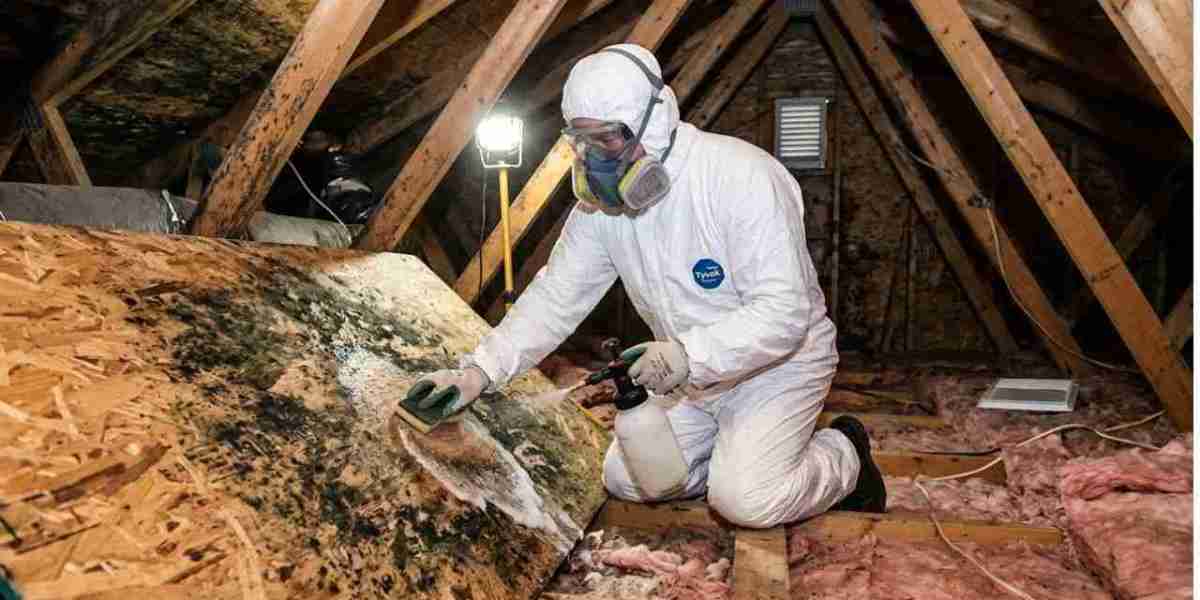

Discovering mold in your attic can be unsettling. You might notice dark staining on the roof sheathing, catch a persistent musty odor drifting into your living space, or spot discolored insulation that looks damp and clumped. The immediate question that follows is often whether this is a problem you can tackle on your own or if professional intervention is necessary.
Attic mold is a common issue for homeowners in colder climates like Ottawa, where temperature fluctuations and humidity create ideal conditions for fungal growth. While small areas of surface mold might seem manageable, the reality of proper attic mold removal involves far more than simply spraying a cleaner and hoping for the best. Understanding what you are dealing with, why it appeared, and what effective removal actually requires will help you make an informed decision about protecting your home and your health.
Why Attic Mold Is Different from Other Household Mold
Mold grows wherever moisture meets organic material, but attics present unique challenges that make them particularly vulnerable. In winter, warm, moist air from your living space rises into the attic and meets the cold underside of your roof deck. This temperature difference creates condensation on wood surfaces, insulation, and nails. Add inadequate ventilation or compromised insulation, and you have a recipe for sustained moisture that mold colonies can exploit for months without detection.
What makes attic mold especially problematic is its location. Attics are rarely visited, so mold can spread extensively before anyone notices. By the time you smell that musty odor or see visible staining, the problem has likely been developing for quite some time.
Understanding the Health Risks of Attic Mold
The health implications of mold exposure deserve serious consideration. Research from the Norwegian Institute of Public Health indicates that exposure to visible mold and mold odor is associated with increased occurrence of chronic cough in infants, and can increase the risk of asthma symptoms in young children. The Rhode Island Department of Health notes that mold exposure can cause allergic symptoms including watery eyes, runny nose, sneezing, coughing, wheezing, and difficulty breathing.
For individuals with existing respiratory conditions like asthma or allergies, mold exposure can significantly worsen symptoms. Infants, elderly individuals, and those with weakened immune systems face particular risk. Even for healthy individuals, prolonged exposure to high concentrations of mold spores can eventually lead to sensitivity and more severe reactions.
The Limitations of DIY Attic Mold Removal
Many homeowners attempt to address attic mold with household products and a bit of elbow grease. While this approach might temporarily clean visible surface staining, it often fails to address the underlying problem in several critical ways.
The Spread Problem
Mold spores are microscopic and lightweight. When you disturb mold colonies without proper containment measures, those spores become airborne and can spread throughout your home through the HVAC system and air leaks. Professional remediation involves establishing negative air pressure containment zones and using HEPA-filtered air scrubbers to prevent cross-contamination.
The Incomplete Removal Issue
Over-the-counter cleaners and bleach may kill mold spores on contact, but dead spores still contain allergens and irritants. The distinction matters because your body reacts to mold spores whether they are alive or dead. Proper removal requires physically eliminating the mold contamination through HEPA vacuuming and surface treatment, not just killing what is visible.
The Moisture Source
Perhaps the most significant limitation of DIY efforts is that they typically address the symptom rather than the cause. If you clean mold without identifying and fixing the moisture problem that allowed it to grow, mold will return. Common moisture sources include roof leaks, inadequate ventilation, air leaks from the living space, or blocked exhaust vents.
What Professional Attic Mold Removal Actually Involves
Understanding the professional process helps explain why effective removal goes far beyond a simple cleaning service.
The first step involves thorough inspection and assessment. Professionals use moisture meters, thermal imaging, and sometimes surface sampling to map the extent of contamination and identify hidden moisture sources. This diagnostic phase determines the appropriate treatment plan.
Containment follows, with physical barriers and negative air pressure systems preventing spores from migrating into living spaces. HEPA air scrubbers run continuously throughout the project to capture airborne particles.
Removal of contaminated materials comes next. Insulation that has been exposed to mold or moisture typically cannot be salvaged and must be removed. Mold on wood surfaces requires physical removal through specialized cleaning techniques, followed by HEPA vacuuming to eliminate residual spores.
Critically, the underlying moisture problem must be addressed. This might involve improving ventilation with balanced intake and exhaust vents, sealing air leaks, ensuring proper insulation coverage, or coordinating with roofing professionals to fix leaks.
Finally, post-remediation verification often involves independent air quality testing to confirm that spore levels inside the attic are comparable to outdoor levels.
Recognizing When It Is Time to Call a Professional
The question of whether to attempt DIY mold removal or call a professional often comes down to scale and complexity. Small areas of surface mold on non-porous surfaces might be manageable with appropriate precautions. However, professional intervention becomes essential when dealing with larger contamination, mold that has penetrated porous materials like insulation or drywall, recurring mold growth, or situations where the moisture source is not immediately obvious.
Health considerations also matter significantly. If anyone in your household experiences mold-related symptoms, or if there are individuals with asthma, allergies, or compromised immune systems, professional remediation is the safer choice.
About Attic Mold Removal Ottawa
For homeowners in the Ottawa region seeking professional assistance, atticmoldremovalottawa.ca serves as a valuable resource connecting residents with specialized attic mold removal services. The website provides information about local options for inspection, remediation, and prevention, helping homeowners navigate the specific challenges of attic mold in Ottawa's climate. Rather than attempting to manage a potentially hazardous situation alone, consulting with qualified professionals ensures that the problem is addressed thoroughly and safely.
Conclusion
Attic mold removal is rarely a simple DIY project. The combination of health risks, the ease of spore dispersal, the need for complete removal rather than just surface treatment, and the critical importance of addressing moisture sources makes professional remediation the safest and most effective approach for most situations. While it might be tempting to save money by tackling the problem yourself, the consequences of incomplete removal can include recurring mold growth, ongoing health effects, and potential damage to your home's structure and indoor air quality. When you discover mold in your attic, the wisest course of action is to invest in a thorough, professional solution that addresses both the visible mold and the underlying conditions that allowed it to develop.