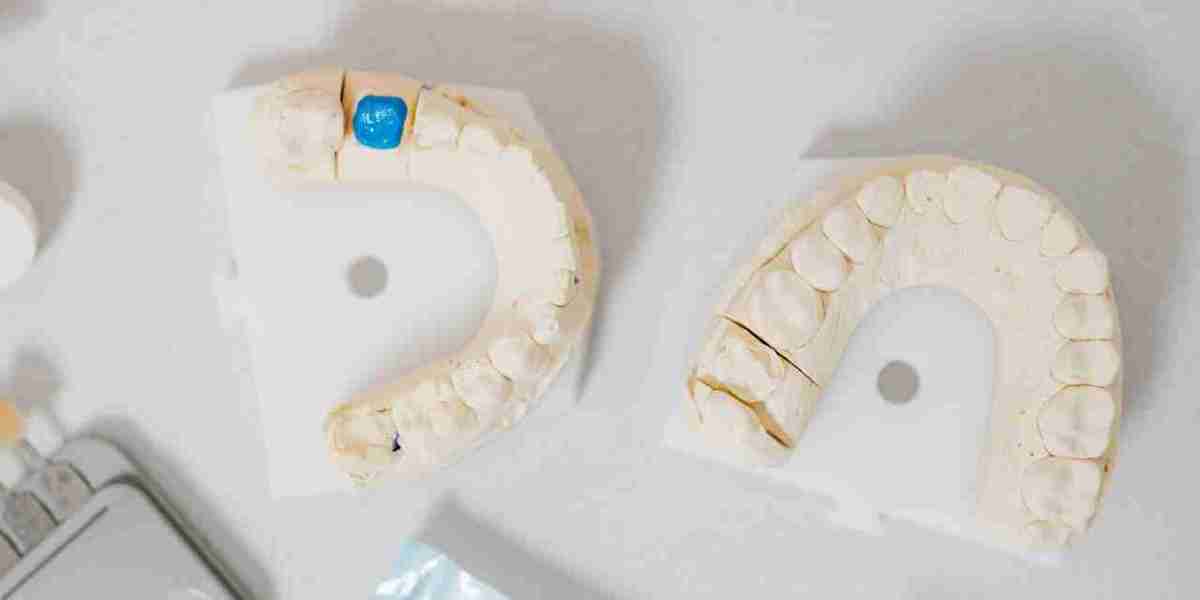

Dry Mouth and Dentures: Causes, Problems, and Practical Relief
Dry mouth can make wearing dentures much more difficult than many people expect. Saliva is not simply moisture inside the mouth. It helps lubricate oral tissues, supports swallowing, and contributes to the natural retention of removable dentures. When saliva production falls, the entire denture wearing experience can change.
People dealing with dry mouth dentures may notice that the appliance feels less secure, the gums become irritated more easily, or eating certain foods becomes uncomfortable. Speech can also feel different because the tongue and oral tissues no longer move across moist surfaces in the same way.
The issue becomes more important when dryness continues for weeks or months. Persistent low saliva can contribute to oral irritation and may make regular denture care more challenging.
Understanding the connection between saliva, denture fit, oral tissues, and daily habits provides a practical starting point for managing dry mouth dentures.
Dry Mouth Changes the Denture Wearing Experience
Saliva plays a functional role in denture retention because a thin layer of fluid exists between the denture base and oral tissues. This layer contributes to adhesion and helps the appliance interact with the supporting mucosa. When the mouth becomes unusually dry, these conditions can change. The American Dental Association notes that saliva helps hold dentures in place and that denture adhesives may be useful for some people with dry mouth.
For patients with dry mouth dentures, reduced lubrication can also increase friction between the appliance and the gums. The result may be more noticeable denture discomfort during meals or prolonged wear. Food may feel harder to swallow, the tongue may stick to the denture surface, and talking for extended periods may become tiring.
Dry mouth can also affect the cleaning process. Sticky food residue may remain on denture surfaces more easily, while reduced saliva means the mouth has less natural cleansing action. This makes consistent daily hygiene even more important.
The underlying cause also matters. Medications, dehydration, certain medical conditions, and other factors can reduce salivary flow. The American Dental Association recommends discussing persistent dry mouth with a dental professional or physician because the condition may have several possible causes.
Saliva Loss Can Increase Denture Discomfort
The mouth depends on saliva to keep moving tissues comfortable during eating and speaking. When saliva levels fall, surfaces that normally glide against one another can become more sensitive.
Friction Between Denture and Gum Tissue
A dry oral environment can increase friction where the denture contacts the gums. Small movements that would otherwise be tolerated may become more noticeable.
Reduced Lubrication During Eating
Dry foods can become especially difficult to manage because saliva assists with chewing and swallowing. Patients may need more frequent sips of water during meals.
For people experiencing dry mouth dentures, these changes can contribute to denture discomfort even when the prosthesis itself has not been damaged.
The important distinction is that dryness does not automatically mean the denture is poorly made. A properly fitted appliance can still become less comfortable when the oral environment changes.
Common Signs That Saliva Is Running Low
Dry mouth may be more obvious during some parts of the day than others. Some people experience the greatest symptoms at night, while others notice them during meals or conversations.
Common signs include:
A sticky or dry feeling inside the mouth
Frequent thirst
Difficulty swallowing dry foods
Burning or irritated tissues
Cracked lips
Dry tongue
Difficulty speaking for extended periods
Dentures that feel less secure than usual
Patients with dry mouth dentures should pay attention to patterns rather than isolated episodes. Occasional dryness after exercise or dehydration is different from persistent symptoms that occur every day.
When dryness continues, a professional evaluation can help identify possible causes and determine whether changes to the denture routine are needed.
Denture Fit Still Matters When Mouth Is Dry
Dryness can affect denture retention, but not every loose denture is caused by low saliva. Oral anatomy continues changing after tooth loss, and these changes can influence the fit of a removable prosthesis.
The jawbone gradually changes after tooth loss. As the supporting ridge changes shape, the denture may lose some of its original adaptation. If dry mouth dentures are already experiencing reduced lubrication, the combined effect may make movement more noticeable.
A Loose Denture May Need a Fit Review
If the appliance has become increasingly mobile, simply adding more adhesive may not solve the underlying problem.
A Reline May Restore Tissue Contact
When the denture remains structurally sound but the mouth has changed, a reline may improve the relationship between the appliance and the supporting tissues.
New Smile Dentures offers denture repair and reline services that address changes in fit, damaged dentures, and other maintenance needs. This becomes particularly relevant when denture discomfort appears alongside changes in retention.
The goal is to determine whether the main issue is dryness, fit, material wear, or a combination of factors.
Daily Denture Cleaning Becomes More Important
A dry mouth can change the way food debris and plaque behave around a denture. Without adequate saliva, the natural washing action of the mouth is reduced.
The American Dental Association recommends cleaning dentures every day with an effective, nonabrasive denture cleanser. It also advises that dentures should not be placed in hot or boiling water because heat can cause warping.
A useful routine should include both the denture and the oral tissues.
Remove the denture carefully
Rinse away loose food particles
Brush all surfaces gently
Clean the gums and tongue
Remove adhesive residue
Rinse the appliance thoroughly
Store it according to professional instructions
For patients with dry mouth dentures, cleaning after meals can also help when sticky foods leave residue behind.
New Smile Dentures provides professional denture cleaning as part of its denture maintenance services.
Food Choices Can Affect Daily Comfort
Dry mouth can make certain foods much harder to manage with dentures. Foods that are already dry, crumbly, or sticky may require more chewing and more fluid to swallow.
A few practical changes can make meals easier:
Add sauces or moisture to dry foods
Choose softer foods when the mouth feels especially dry
Take smaller bites
Sip water during meals
Avoid foods that stick heavily to the denture
Chew slowly and deliberately
These changes do not treat the cause of dry mouth, but they can reduce daily denture discomfort.
The American Dental Association also recommends adequate fluid intake and avoiding very dry or hard to chew foods for people experiencing xerostomia.
Patients should still maintain a balanced diet and discuss persistent swallowing difficulty with a healthcare professional.
Hydration Helps but Does Not Solve Every Case
Drinking water regularly is one of the simplest ways to manage a dry mouth. However, hydration alone may not correct persistent low saliva production when medications or medical conditions are contributing to the problem.
Sip Water Throughout the Day
Small, frequent amounts of water can help reduce the dry sensation and make eating easier.
Avoid Depending on Sugary Drinks
Sugary beverages can increase exposure of oral tissues and any remaining natural teeth to sugar, while some caffeinated drinks may contribute to a dry sensation.
For people with dry mouth dentures, water remains a practical choice during meals and throughout the day.
If dryness continues despite adequate hydration, the cause should be investigated rather than assuming the issue is simply a lack of water.
Denture Adhesives Have a Specific Role
Denture adhesives may provide additional retention for some patients with dry mouth. The American Dental Association states that adhesives can be useful for people with dry mouth, while also emphasizing that adhesives are not a remedy for poorly fitting dentures.
This distinction is important.
If a denture is properly fitted but saliva is limited, an appropriate adhesive may offer additional support. However, if the appliance is loose because the gums and jaw have changed, increasing adhesive use may only mask the problem.
Patients experiencing dry mouth dentures should therefore pay attention to changes in adhesive requirements. A sudden increase may be a useful reason to arrange a denture assessment.
When Persistent Soreness Needs Attention
Dry mouth can make oral tissues more vulnerable to irritation, but persistent soreness should not automatically be blamed on dryness.
A professional evaluation may be appropriate when:
Soreness continues for several days
The same pressure area keeps returning
The denture becomes increasingly loose
The gums remain red
Burning sensations persist
Eating becomes significantly harder
The appliance has developed cracks
Adhesive is needed more frequently
Persistent denture discomfort may result from fit changes, tissue irritation, infection, material damage, or another oral condition.
The American Dental Association specifically notes that poorly fitting dentures may need to be relined or replaced when they cause discomfort or oral sores.
Different Denture Types Need Different Attention
Dry mouth can affect full dentures, partial dentures, immediate dentures, and implant supported dentures, but the specific management approach can vary according to the design.
New Smile Dentures provides full dentures, partial dentures, immediate dentures, and denture implants.
For partial denture wearers, remaining natural teeth still require regular cleaning and may be particularly important when saliva is reduced.
Immediate dentures can require additional monitoring because the gums change during healing after extraction. New Smile Dentures notes that immediate dentures may require adjustments and relining as the tissues heal and reshape.
Implant supported systems also have components that require specific cleaning and maintenance procedures.
Professional Care Can Identify the Real Cause
A person experiencing dry mouth dentures symptoms may assume the appliance needs to be replaced. In many cases, that conclusion is premature.
A professional evaluation can examine several factors at once:
Saliva related symptoms
Denture fit
Bite relationship
Gum condition
Denture surface condition
Signs of wear
Need for a reline
Need for repair
Possible need for replacement
This broader assessment helps separate problems caused by the oral environment from those caused by the prosthesis.
New Smile Dentures lists adjustments, tooth repair, broken denture repair, relines, cleaning, and other maintenance services on its current service and pricing pages.
Managing Dry Mouth Is an Ongoing Process
There is rarely one action that solves persistent dry mouth. Patients may need a combination of hydration, dietary changes, oral hygiene, professional denture care, and medical review when appropriate.
A consistent routine is easier to maintain than making major changes only when symptoms become severe.
For denture wearers, the most useful habits include:
Keeping water available throughout the day
Cleaning the denture daily
Cleaning the mouth and tongue
Following recommended denture storage practices
Monitoring changes in fit
Avoiding unsuitable cleaning products
Reporting persistent irritation
Following professional advice about adhesive use
These habits help reduce denture discomfort while also protecting the appliance and oral tissues.
Know When Your Denture Needs More Than Care
Dryness can be managed, but it should not conceal a mechanical problem.
A denture that repeatedly rocks during meals, causes pressure sores, or requires increasing adhesive may need professional attention. The American Dental Association states that adhesives are not a substitute for a poorly fitting denture and that relining or replacement may be appropriate when fit problems persist.
New Smile Dentures offers denture repair and relines as well as new denture options, allowing the treatment approach to match the condition of the appliance.
Recognizing this difference can prevent patients from repeatedly treating the symptom while the underlying cause continues.
Conclusion
Dry mouth changes the environment in which dentures function. Reduced saliva can affect lubrication, retention, swallowing, and the comfort of the tissues beneath the appliance. Patients experiencing dry mouth dentures may also notice that cleaning, eating, speaking, or keeping the prosthesis stable becomes more difficult.
The answer is not always a new denture or more adhesive. Hydration, suitable food choices, daily cleaning, correct storage, and attention to oral tissues can all help. When denture discomfort continues, the denture itself should also be evaluated for fit, wear, damage, or the need for a reline.
For patients in Caldwell, Boise, and the surrounding Treasure Valley, New Smile Dentures provides full and partial dentures, immediate dentures, denture implants, repairs, relines, and professional cleaning. Understanding the relationship between dry mouth and denture function makes it easier to recognize when simple home care is enough and when professional assessment is warranted.
Frequently Asked Questions (FAQs)
1. Can dry mouth make dentures feel loose?
Yes, reduced saliva can affect denture retention and may increase movement in some patients.
2. Can dry mouth cause denture discomfort?
Yes, reduced lubrication can increase friction and contribute to denture discomfort.
3. Should I use more adhesive when my mouth is dry?
An appropriate adhesive may help some people, but increasing adhesive use should not replace an evaluation of denture fit.
4. How should dentures be cleaned when the mouth is dry?
Clean dentures daily with an appropriate nonabrasive cleanser and also clean the supporting oral tissues.
5. When should dry mouth be discussed with a professional?
Persistent dryness, soreness, swallowing difficulty, or changes in denture fit should be discussed with a dental or medical professional.






