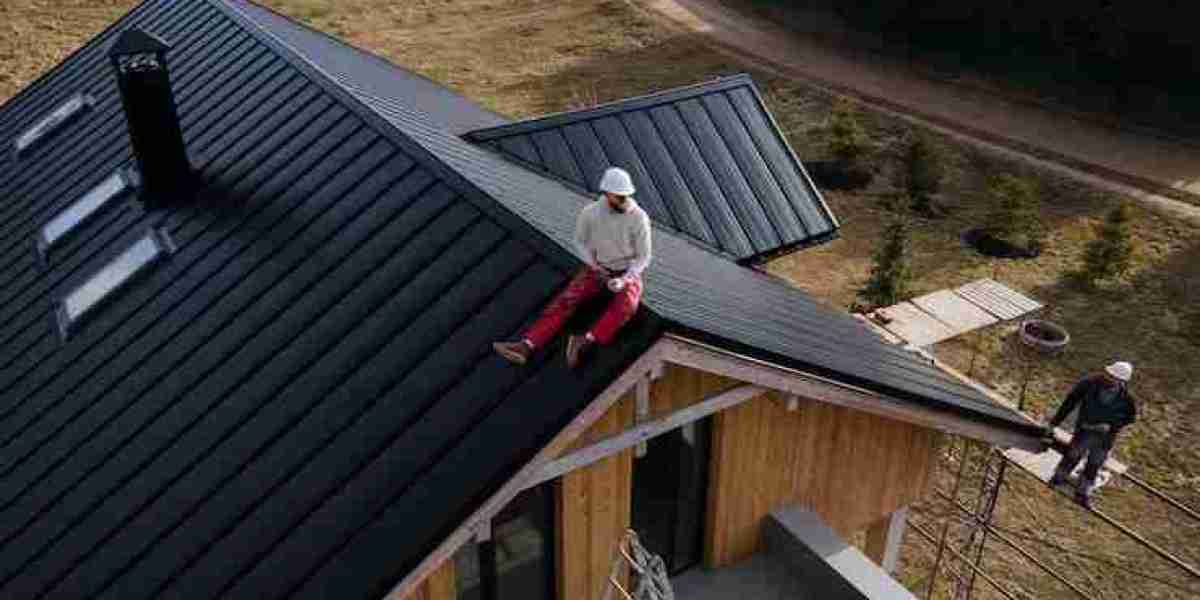

Industrial facility managers face unique roofing challenges that commercial office buildings simply do not encounter. Massive roof areas, heavy equipment penetrations, and demanding operational schedules require roofing systems that deliver maximum coverage with minimum disruption. Standing seam metal roofing has become the dominant solution for industrial applications because it addresses every one of these challenges effectively.
Warehouses and manufacturing plants represent enormous investments that demand equally robust protection from above. A roofing failure in an industrial setting can halt production, damage inventory, and create safety hazards that threaten worker wellbeing.
Why Industrial Roofs Demand Superior Solutions
Scale and Exposure
Industrial facilities often feature roof areas exceeding one hundred thousand square feet, creating massive surfaces exposed to weather extremes. The sheer scale of these roofs amplifies every vulnerability, making small leaks potentially catastrophic when they occur above sensitive manufacturing equipment or stored goods.
Thermal Shock Challenges
Large metal buildings experience dramatic temperature swings between sunlit and shaded roof sections throughout the day. These thermal gradients create expansion and contraction forces that destroy conventional roofing membranes within just a few years of installation on industrial scale structures.
Standing Seam Advantages for Large Span Roofs
Continuous Panel Lengths
Standing seam panels can be roll formed on site to span entire roof slopes from eave to ridge without cross seams. This continuous coverage eliminates the most common leak points found in sectional roofing systems and creates an uninterrupted water shedding surface across vast roof areas.
Structural Standing Seam Options
For industrial buildings with widely spaced purlins, structural standing seam panels provide the additional strength needed to span greater distances without sagging. These heavier gauge panels serve as both the weather barrier and a structural diaphragm that contributes to overall building stability.
Integration with Building Systems
Equipment Penetration Management
Industrial roofs are riddled with penetrations for HVAC units, exhaust fans, skylights, and process equipment. Properly designed metal curb flashings and pitch pans integrate seamlessly with standing seam panels to create watertight seals around every penetration regardless of size or complexity.
Solar Panel Compatibility
The raised seams of standing seam roofs provide ideal attachment points for solar panel mounting systems that clamp directly to the seams without penetrating the roof membrane. This non penetrative approach preserves the roof warranty while enabling industrial facilities to generate renewable energy across their expansive roof surfaces.
The Importance of Quality Materials
Selecting the Right Metal Alloy
Industrial environments often expose roofing materials to chemical fumes, particulate matter, and aggressive atmospheric conditions that accelerate corrosion. Choosing the appropriate metal alloy and coating system for your specific industrial environment is critical to achieving the expected service life from your roofing investment.
Working with a trusted provider of architectural sheet metal ensures that every flashing, trim piece, and penetration detail is fabricated to exact specifications for your unique industrial application and environmental conditions.
Installation Logistics for Active Facilities
Phased Installation Strategies
Industrial operations rarely allow complete facility shutdowns for roofing projects. Experienced metal roofing contractors develop phased installation plans that protect active production areas while systematically replacing roof sections during scheduled downtime windows.
Safety Considerations
The height and scale of industrial roofs demand rigorous safety protocols during installation. Standing seam systems install faster than most alternatives, reducing the total time workers spend on elevated surfaces and minimizing the overall safety exposure during the roofing project.
Energy Performance for Large Buildings
Cool Roof Compliance
Many municipalities now mandate cool roof compliance for commercial and industrial buildings exceeding certain size thresholds. Standing seam metal roofs with reflective coatings easily meet and exceed these requirements, helping facility managers avoid fines while reducing cooling costs across enormous conditioned spaces.
When industrial facility managers choose standing seam metal roofing for their large scale projects, they gain a roofing system that handles the unique demands of industrial environments while delivering decades of reliable protection against every weather condition.
Maintenance Planning for Industrial Metal Roofs
Inspection Protocols
Industrial metal roofs benefit from semiannual inspections that focus on seam integrity, fastener condition, and flashing performance around equipment penetrations. These brief inspections identify minor issues before they develop into major leaks that could disrupt production operations.
Conclusion
Standing seam metal roofing delivers the perfect combination of durability, coverage efficiency, and installation flexibility that industrial and warehouse facilities demand. The ability to span large areas without seams, accommodate heavy equipment penetrations, and support solar installations makes metal the undisputed champion of industrial roofing. Facility managers who invest in quality standing seam systems protect their operations, their inventory, and their bottom line for decades to come with minimal ongoing maintenance requirements.
FAQs
Q: What is the maximum panel length for standing seam metal roofing?
A: On site roll forming allows panels to be produced in continuous lengths exceeding two hundred feet, eliminating cross seams on most industrial roofs.
Q: How does standing seam roofing handle chemical exposure?
A: Specialized coating systems and alloy selections protect metal panels from chemical fumes common in manufacturing environments.
Q: Can standing seam roofs support heavy snow loads?
A: Yes, structural standing seam systems are engineered to handle snow loads exceeding one hundred pounds per square foot in heavy snow regions.