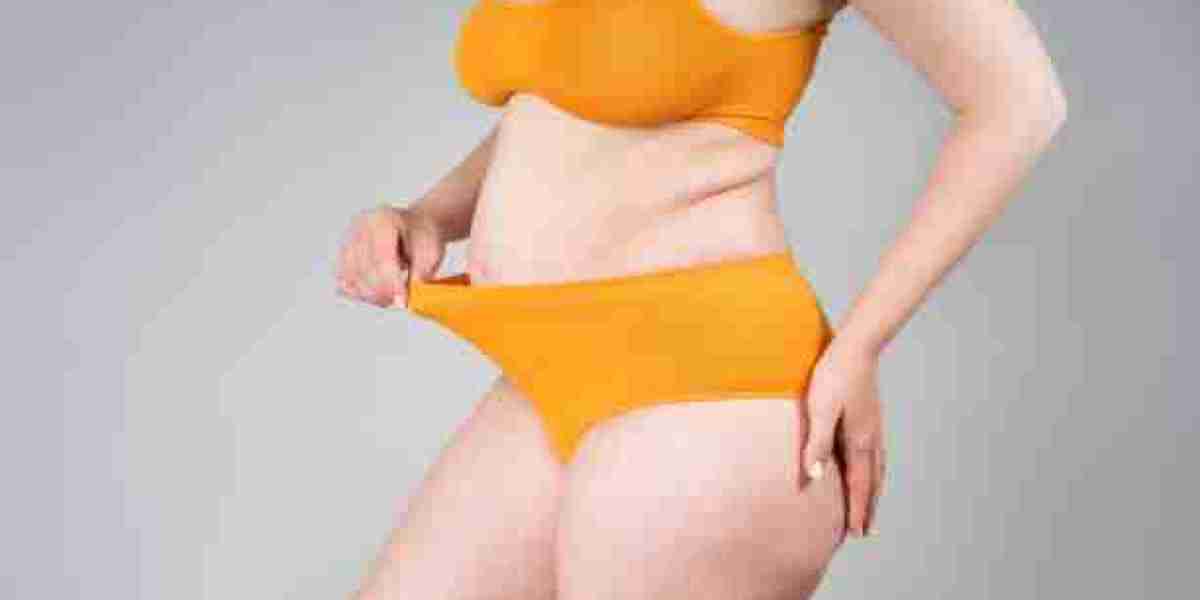

Loose abdominal skin can change the appearance of the stomach and may develop for several reasons, including pregnancy, significant weight loss, aging, and natural changes in skin elasticity. Unlike temporary bloating or minor fluctuations in body weight, excess skin may remain even after adopting healthy habits. Tummy tuck surgery in Riyadh (عملية شد البطن في الرياض) may be considered for suitable individuals who have persistent loose abdominal skin that does not improve sufficiently through diet and exercise.
Why Does Abdominal Skin Become Loose?
The skin contains elastic fibers that allow it to stretch and return toward its original shape. When the skin is stretched considerably or its elasticity decreases, it may not fully contract afterward. The resulting excess tissue can appear as folds, sagging, or hanging skin around the abdomen.
Skin Elasticity Plays an Important Role
Skin elasticity varies between individuals. Genetics, age, hormonal changes, and the extent of previous stretching can all affect how effectively the skin returns to its previous shape. Skin that has lost substantial elasticity may remain loose even after the underlying body changes have stabilized.
Loose Skin After Pregnancy
Pregnancy is one of the most common reasons for persistent abdominal skin changes. As the abdomen expands during pregnancy, the skin stretches to accommodate the growing baby. After childbirth, some of this skin may gradually contract, while some may remain stretched.
Abdominal Changes After Childbirth
Pregnancy can also affect the abdominal muscles and connective tissues. In some individuals, the abdominal muscles may become separated or weakened. When significant loose skin and abdominal laxity remain after pregnancy, a tummy tuck may be discussed as a potential body-contouring option.
Loose Skin After Significant Weight Loss
Major weight loss can dramatically reduce the volume beneath the skin. However, skin that has been stretched for an extended period may not have enough elasticity to contract fully after the weight is lost.
Why Exercise May Not Remove Excess Skin
Exercise can strengthen the underlying muscles and improve overall body composition, but it cannot physically remove excess skin. When substantial loose tissue remains after weight loss, surgical body contouring may be considered after weight has stabilized.
Aging and Loose Abdominal Skin
Natural aging can gradually affect skin structure. The production and organization of proteins such as collagen and elastin change over time, which can contribute to reduced firmness and elasticity.
Changes in Skin Quality
As skin becomes less elastic, it may be more susceptible to sagging after weight changes or other forms of stretching. The degree of age-related skin laxity differs considerably from person to person.
Genetics and Natural Body Structure
Genetic factors can influence skin elasticity, body-fat distribution, and how the abdomen responds to changes in weight. Some individuals may develop noticeable loose skin after relatively modest body changes, while others may experience less.
Individual Differences Matter
There is no single amount of weight loss or age at which loose abdominal skin develops. A person's genetics, skin quality, pregnancy history, body composition, and lifestyle can all contribute to the appearance of abdominal skin.
Repeated Weight Fluctuations
Repeated cycles of gaining and losing weight can repeatedly stretch the skin. Over time, this may contribute to reduced elasticity and make it harder for the skin to return completely to its previous contour.
Maintaining a Stable Weight
Keeping weight relatively stable after reaching a healthy target can help reduce repeated stretching. However, stable weight cannot completely reverse loose skin that has already developed.
Can Loose Abdominal Skin Be Tightened Naturally?
The answer depends on how much excess skin is present and the condition of the underlying tissues. Healthy nutrition, hydration, physical activity, and resistance training can support overall body composition and muscle tone, but significant excess skin generally cannot be eliminated through lifestyle changes alone.
When Professional Treatment May Be Considered
If loose skin is substantial and remains after weight has stabilized, a professional assessment can help determine which options may be appropriate. The treatment recommendation depends on the amount and location of excess skin and the individual's overall goals.
How Can a Tummy Tuck Address Loose Skin?
A tummy tuck, or abdominoplasty, is a surgical body-contouring procedure designed to remove selected excess abdominal skin. During the procedure, the surgeon removes appropriate loose tissue and repositions the remaining skin to create a smoother abdominal contour.
Full Tummy Tuck
A full tummy tuck generally addresses a broader portion of the abdomen and may be considered when loose skin extends above and below the belly button. It may also include abdominal muscle repair when appropriate.
Mini Tummy Tuck
A mini tummy tuck is generally more focused on the lower abdomen. It may be considered when excess skin is primarily located below the belly button and the upper abdomen does not require extensive correction.
Can Loose Skin Include Stretch Marks?
Stretch marks can occur when the skin stretches rapidly, including during pregnancy or significant weight changes. If stretch marks are located within the portion of loose skin removed during a tummy tuck, some of them may be removed along with that tissue.
Tummy tuck surgery in Riyadh can therefore improve the appearance of certain stretch marks as a secondary effect, but it is not primarily a stretch-mark treatment. Marks located outside the removed area generally remain.
What Factors Determine the Appropriate Treatment?
The amount of loose skin is only one part of the assessment. A qualified surgeon may consider skin elasticity, abdominal muscle condition, body proportions, previous pregnancies or surgeries, weight stability, and overall health.
Personalized Assessment
A professional consultation allows the surgeon to determine whether the concern is primarily excess skin, muscle laxity, localized fat, or a combination of factors. This helps establish a treatment plan based on individual anatomy rather than a standard approach.
Why Professional Consultation Matters
Persistent loose abdominal skin can have different causes and may require different approaches depending on the individual's circumstances. During a consultation, a qualified surgeon can examine the abdomen, discuss your concerns, review relevant medical history, and explain realistic treatment expectations.
The consultation can also help you understand the differences between full and mini tummy tuck techniques, recovery requirements, potential risks, and how future weight changes or pregnancy could affect the result.
Book an Appointment at Royal Clinic Saudia
If you are considering Tummy tuck surgery in Riyadh for persistent loose abdominal skin, Royal Clinic Saudia (عيادات رويال كلينك) can provide a professional consultation to assess your concerns and discuss suitable treatment options. Book an appointment to receive personalized guidance based on your individual anatomy and goals.
FAQs:
Can weight loss cause loose abdominal skin?
Yes. Significant weight loss can leave excess skin when stretched tissue does not fully contract after the underlying body volume decreases.
Can exercise tighten loose abdominal skin?
Exercise can strengthen abdominal muscles and improve overall body composition, but it generally cannot remove significant excess skin. A professional assessment can help determine suitable options for persistent skin laxity.
Does pregnancy cause permanent loose abdominal skin?
Pregnancy can leave persistent loose skin in some individuals because the abdominal skin stretches considerably. The degree of lasting change depends on factors such as skin elasticity, pregnancy-related stretching, and individual healing.
Can a tummy tuck remove loose abdominal skin?
Yes. A tummy tuck is specifically designed to remove selected excess abdominal skin and improve the abdominal contour. The appropriate technique depends on the location and extent of loose tissue.







