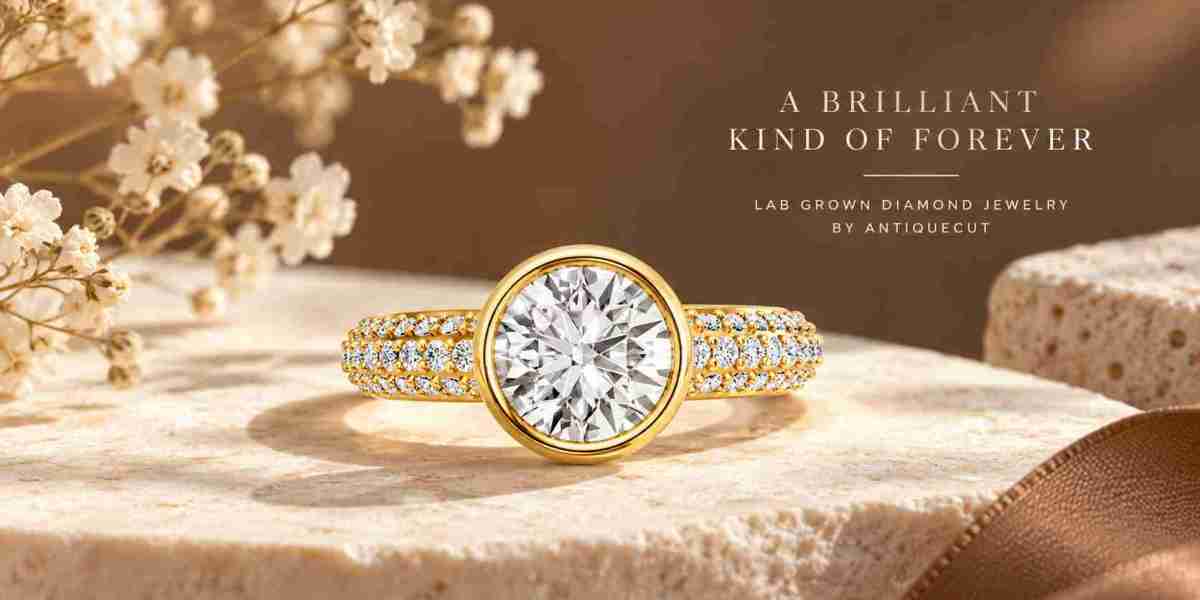

Choosing an engagement ring often comes down to personal style, comfort, and the type of setting that feels right for everyday wear. Bezel engagement rings offer a distinctive setting where a metal rim surrounds the diamond and holds it securely in place. For shoppers considering lab grown diamonds, this setting creates plenty of design possibilities, from clean solitaire rings to detailed designs with side stones. Different shapes, metals, bands, and diamond sizes can also change the overall look of the ring.
What Is a Bezel Engagement Ring?
A bezel setting holds the diamond with a thin metal border that follows the outline of the stone. Unlike prong settings, which use small metal claws around the diamond, the bezel surrounds part or all of its edge.
This construction gives the ring a smooth profile. It can also help reduce the chances of the diamond catching on clothing or other materials. For someone who wears their engagement ring every day, the practical design can be an important consideration.
The bezel can be designed around many diamond shapes, including round, oval, emerald, pear, and marquise cuts. This makes it possible to create different looks while keeping the defining feature of the setting.
Simple Styles for Minimalist Preferences
Some people prefer an engagement ring with a clean design and little visual detail. A simple bezel setting can work well for this preference.
A round diamond placed in a plain metal band creates a straightforward look. An oval stone can provide a longer shape across the finger while keeping the design uncomplicated. Choosing white gold, yellow gold, or another preferred metal can further change the appearance without adding extra stones.
A plain band also makes the center diamond the main feature of the ring. This can be a useful choice for someone who wants a ring that works easily with different outfits and other jewelry.
Bezel Solitaire Engagement Ring Styles
A bezel solitaire engagement ring places one main diamond at the center without additional diamonds along the band. The result is a focused design that gives attention to the center stone.
Round and oval diamonds are especially suitable for solitaire designs, but other shapes can also be used. The width of the bezel can vary as well. A slim metal border can create a lighter appearance, while a wider border gives the setting a more noticeable outline.
Solitaire rings can also be paired with wedding bands in different shapes. A straight wedding band may sit beside the engagement ring, while a curved band can be designed to follow the shape of the setting.
Bezel Set Engagement Rings With Side Stones
Not every bezel ring needs to be a single-stone design. Bezel set engagement rings can include smaller diamonds along the band or beside the center stone.
Side stones may be arranged in a straight row, placed around the shoulders of the ring, or incorporated into a three-stone design. These details add more structure to the ring while keeping the center diamond as the main focus.
For someone who wants more detail than a solitaire but does not want a heavily decorated ring, a bezel setting with a few carefully placed side stones can offer a middle ground.
Bezel Diamond Engagement Ring Designs for Different Shapes
The diamond shape has a major effect on the appearance of a ring.
Round
Round diamonds work naturally with circular bezel settings. They are a common choice for people who prefer balanced proportions and a familiar diamond shape.
Oval
Oval diamonds have an elongated outline that can make the finger appear longer. An oval bezel can follow the stone's curved edges closely.
Emerald
An emerald-cut diamond has straight lines and broad facets. A bezel setting can emphasize its rectangular outline and create a strong geometric appearance.
Pear
A pear-shaped diamond combines a rounded end with a pointed tip. Its bezel needs to follow both curves carefully, resulting in a distinctive ring design.
Marquise
Marquise diamonds have pointed ends and a long, narrow profile. A full bezel can highlight the unusual outline while keeping the stone securely enclosed.
Unique Bezel Engagement Rings
For buyers who want something different from a traditional solitaire, there are many ways to customize a bezel ring. Unique bezel engagement rings can use unusual diamond orientations, mixed metals, decorative bands, or combinations of different stones.
An east-west setting, for example, places an elongated diamond horizontally across the finger instead of vertically. This approach can change the appearance of an oval, emerald, or marquise diamond without changing the basic bezel concept.
Another option is combining a bezel center stone with smaller accent diamonds. The band can also be shaped with curves, split sections, or other details depending on the desired design.
These choices allow the ring to reflect individual preferences rather than following one standard layout.
Explore Lab Grown Bezel Engagement Ring Options
If you are comparing different settings and diamond choices, explore lab grown bezel engagement ring designs based on your preferred stone shape, metal, and band style. Lab grown diamonds are made using controlled laboratory processes and have the same basic chemical composition and crystal structure as diamonds formed naturally.
Because lab grown diamonds are available in a wide range of sizes, shapes, and grades, shoppers can compare several options before selecting a center stone.
The setting should also be considered alongside the diamond. A larger center stone may create a different visual balance than a smaller one, while the width and finish of the bezel can change how the entire ring looks on the hand.
Choosing the Right Metal
The metal surrounding the diamond affects the overall appearance of a bezel ring.
Yellow gold creates a warm contrast against a diamond and can give the ring a traditional jewelry appearance.
White gold provides a neutral metal tone that blends closely with the diamond and works well with clean, simple designs.
Rose gold has a pink-toned appearance and can create a different look when paired with a bezel setting.
Some designs can also combine two metal colors. A mixed-metal ring may be useful for someone who regularly wears jewelry in more than one metal tone.
Bezel Rings for Everyday Wear
An engagement ring is often worn throughout the day, so comfort matters just as much as appearance. The smooth edges of a bezel can be useful for people who work with their hands or prefer a ring with fewer exposed components.
However, every bezel design is different. The height of the setting, thickness of the metal, shape of the diamond, and band profile can all affect comfort.
Before purchasing, consider how the ring feels when making a fist, typing, handling objects, or wearing it alongside a wedding band.
Matching a Bezel Ring With a Wedding Band
The engagement ring and wedding band do not necessarily need to have identical designs. What matters is how the two rings sit together.
A simple bezel solitaire may pair well with a plain metal band. A ring with accent diamonds may work with a diamond-set wedding band for a coordinated look.
If the bezel setting extends close to the finger, a curved or contoured wedding band may provide a better fit than a completely straight band. Trying different combinations can help determine which arrangement feels comfortable.
Finding a Style That Fits Your Taste
There is no single design that works for everyone. Someone who prefers a simple ring may choose a round bezel solitaire, while another buyer may prefer an oval center stone with accent diamonds. Someone looking for a less traditional design might consider an east-west arrangement or a mixed-metal band.
When comparing options from brands such as Antiquecut, pay attention to the diamond shape, setting height, metal type, band width, and overall proportions rather than focusing only on the center stone.
A good ring should fit both your personal style and your everyday routine.
Final Thoughts
Lab grown diamonds give shoppers many choices when creating a bezel engagement ring. From a simple solitaire to a detailed design with side stones, the bezel setting can be adapted to different tastes, diamond shapes, and metal preferences.
Whether you prefer a round, oval, emerald, pear, or marquise diamond, consider how the setting works with the stone and how the finished ring will feel during daily wear. Comparing several bezel engagement rings can make it easier to find a design that suits your preferences, budget, and plans for wearing the ring for years to come.