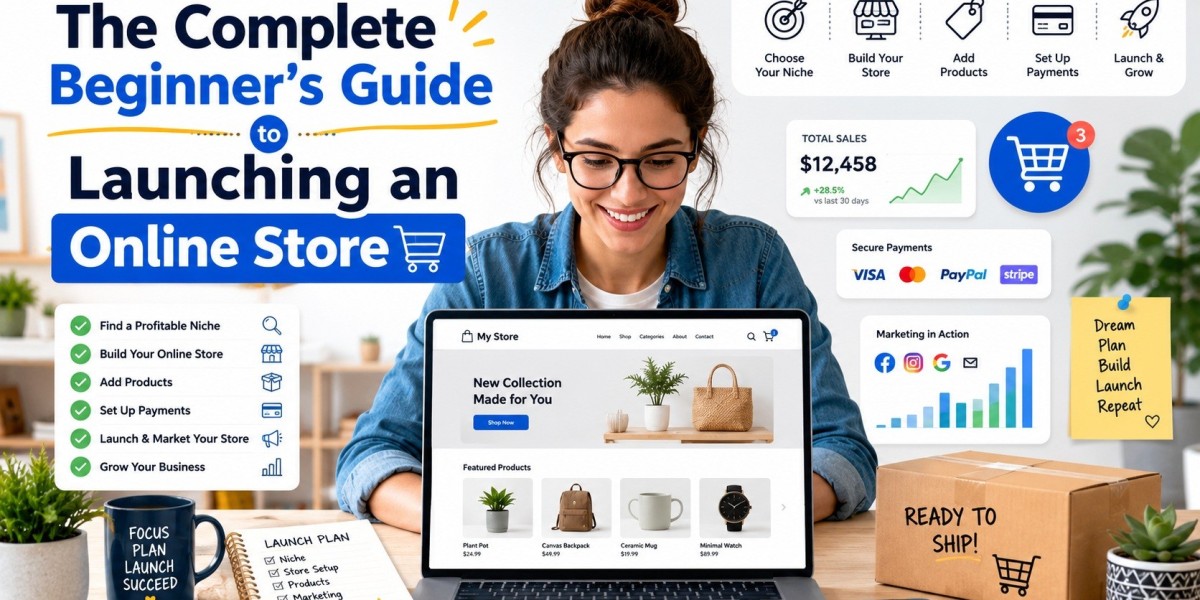

Starting an online store can feel like a big step, but it does not have to be hard. Today, many people buy products online because it is quick, easy, and comfortable. This gives new business owners a great chance to sell their products from home, a small office, or even a local shop.
An online store is a website where people can look at your products, add items to a basket, and pay for them safely. You can sell many things online, such as clothes, toys, beauty items, books, handmade gifts, food products, and much more. The key is to plan well before you start.
This beginner’s guide will help you understand the main steps needed to launch your first online store.
1. Choose the Right Product to Sell
The first step is to decide what you want to sell. Your product should solve a problem, bring joy, or meet a need. For example, parents may look for safe toys, people may want eco-friendly packaging, or small businesses may need useful office items.
Before choosing a product, ask yourself a few simple questions. Is there demand for it? Can I make a profit? Is it easy to ship? Do I understand the product well? When you know your product, it becomes easier to explain it to customers.
You should also check what other sellers are doing. Look at their prices, product photos, reviews, and delivery options. This does not mean copying them. It means learning what works and finding ways to do better.
2. Know Your Target Customers
Your target customers are the people most likely to buy from you. If you try to sell to everyone, your message may become weak. It is better to know exactly who you are helping.
For example, if you sell baby toys, your customers may be parents, grandparents, or gift buyers. If you sell fitness products, your customers may be people who want to stay healthy at home.
Think about your customer’s age, needs, budget, and shopping habits. What problems do they have? What kind of products do they trust? What makes them choose one store over another?
When you understand your customers, you can write better product descriptions, choose better images, and offer better service.
3. Pick a Business Name
Your business name should be clear, simple, and easy to remember. A good name helps people trust your store. Try to choose a name that matches your products and brand style.
Before using a name, check if the website domain is available. A domain is your website address, such as yourstorename.co.uk. It is also wise to check social media platforms to see if the same name is free.
Avoid names that are too long, hard to spell, or too close to another brand. A simple name is often the best choice.
4. Choose an Online Store Platform
To build your store, you need an online platform. Popular choices include Shopify, WooCommerce, Wix, and Squarespace. These platforms help you add products, take payments, manage orders, and design your website.
Shopify is easy for beginners because it gives you many ready-made tools. WooCommerce is good if you already use WordPress. Wix and Squarespace are simple website builders with online selling features.
Choose a platform based on your budget, skill level, and business needs. You do not need the most expensive option at the start. You need one that is simple, safe, and able to grow with your business.
5. Build a Clear and Trustworthy Website
Your website is like your online shop window. It should look clean, load fast, and be easy to use. Customers should be able to find products, read details, and place an order without confusion.
Your homepage should tell visitors what you sell and why they should trust you. Your product pages should include clear photos, simple descriptions, prices, sizes, materials, and delivery details.
Trust is very important online. Add clear contact details, return information, payment options, and customer reviews when you have them. If people feel safe, they are more likely to buy.
6. Write Helpful Product Descriptions
A product description should do more than list features. It should explain how the product helps the customer. Use simple words and short sentences.
For example, instead of only saying “soft cotton shirt”, you can say, “This soft cotton shirt feels comfortable all day and is easy to wash.” This tells the customer why the product is useful.
Be honest in your descriptions. Do not promise things your product cannot do. Clear and truthful writing builds long-term trust.
If you sell children’s products, packaging can also play a big role in how customers see your brand. Bright, safe, and well-made custom toy packaging boxes can make your product look more professional and gift-ready.
7. Set Fair Prices
Pricing is one of the most important parts of your online store. Your price should cover the product cost, packaging, website fees, payment fees, delivery costs, and profit.
Do not set prices too low just to get sales. If you do, you may struggle to make money. Also, do not set prices too high without showing value.
Look at your competitors, but do not copy them blindly. Think about your product quality, service, brand image, and delivery speed. Customers will often pay more when they feel they are getting better value.
8. Plan Packaging and Delivery
Good packaging protects your product and gives customers a better experience. When someone opens their order, they should feel happy and confident about buying from you again.
Packaging should match your product. Fragile items need strong protection. Luxury items may need premium packaging. Eco-friendly brands may use recyclable materials.
For toy sellers, creative and safe custom toy box packaging can help products stand out on shelves, in online photos, and on gift tables.
Delivery should also be simple and clear. Tell customers how long shipping will take and how much it will cost. Offer tracking if possible. Late or unclear delivery can lead to unhappy customers.
9. Add Safe Payment Options
Customers need to feel safe when paying online. Most store platforms support trusted payment methods such as debit cards, credit cards, PayPal, Apple Pay, and Google Pay.
Make sure your website has SSL security. This usually shows as a small padlock near the website address. It helps protect customer information.
A simple checkout process is also important. Do not ask for too many details. The easier it is to pay, the more likely customers are to finish their order.
10. Create Basic Legal Pages
Your online store should include basic legal and information pages. These may include a privacy policy, terms and conditions, refund policy, delivery policy, and contact page.
These pages help customers understand their rights and your rules. They also make your business look more serious and trustworthy.
For UK businesses, it is important to follow UK consumer rules. Customers usually need clear information about pricing, returns, delivery, and how their personal data is used. If you are unsure, get advice from a legal expert or trusted business support service.
11. Market Your Online Store
After your store is ready, people need to know it exists. Marketing helps bring visitors to your website.
You can start with simple methods such as social media posts, email newsletters, blog articles, and search engine optimisation. SEO means improving your website so people can find it on Google.
Use social media platforms where your customers spend time. For example, Instagram and TikTok can work well for visual products. LinkedIn may be better for business services.
Do not only post sales messages. Share tips, product uses, behind-the-scenes content, customer stories, and helpful advice. This builds trust and keeps people interested.
12. Give Great Customer Service
Good customer service can make your store stand out. Reply to questions quickly and politely. Help customers solve problems. Keep them updated about orders.
Even when something goes wrong, a kind and fair response can save the customer relationship. People remember how you treat them.
Happy customers may leave reviews, tell friends, and buy again. This is one of the best ways to grow your online store.
13. Track Your Results
Once your store is live, check your results often. Look at how many people visit your site, which products sell best, and where customers leave before buying.
Most store platforms offer simple reports. You can also use tools like Google Analytics to learn more about your visitors.
Use this information to improve your store. Maybe you need better photos, clearer prices, faster delivery, or stronger product descriptions. Small changes can lead to better sales over time.
Final Thoughts
Launching an online store is a journey. You do not need to be perfect on day one. Start with a clear product, a simple website, safe payments, fair prices, and good customer service.
The most successful online stores are built on trust. Be honest, helpful, and consistent. Learn from your customers and keep improving step by step.
With the right plan and steady effort, your online store can grow from a small idea into a strong business.