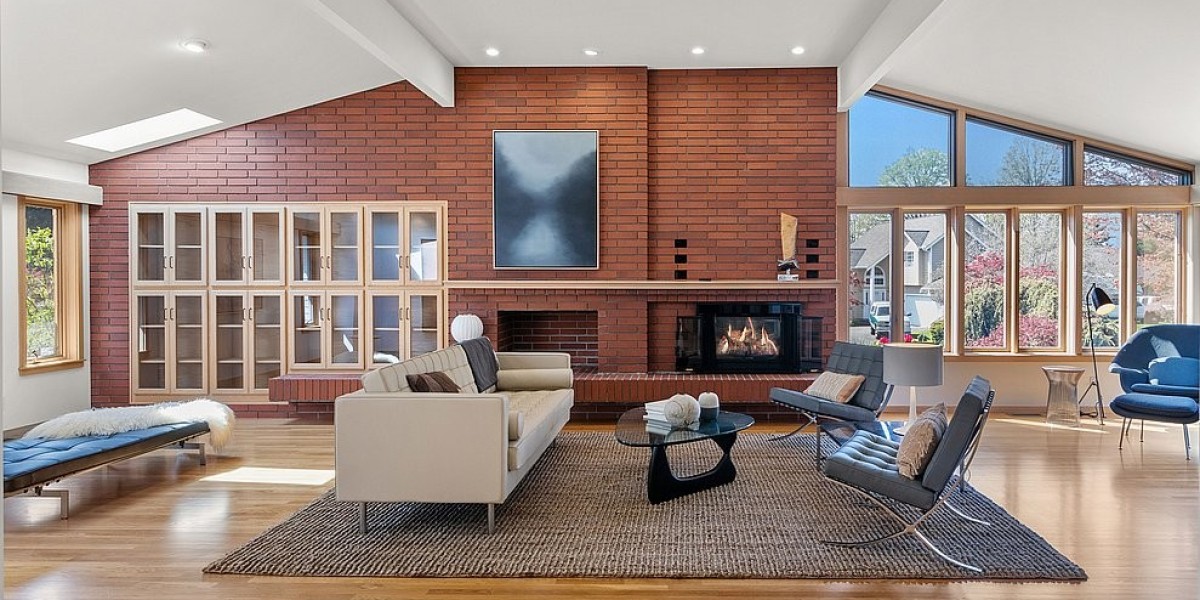

Many homeowners today struggle with keeping their interiors consistent while design trends keep shifting every few years. This creates a cycle where furniture is constantly replaced, even when it is still functional. The deeper issue is not taste, but lack of understanding of foundational design principles like mid-century modern furniture. According to US interior design surveys, nearly 64% of homeowners say they feel overwhelmed by fast-changing home decor trends. This leads to inconsistent spaces that lack long-term visual identity.
The agitation becomes stronger when people realize how much money is lost through repeated furniture upgrades. The US furniture market data shows billions are spent annually on replacing items that no longer “fit the look” of a home. This constant replacement cycle creates frustration and waste, especially for middle-income households. In contrast, mid-century modern furniture offers a long-term design framework that reduces this instability. It focuses on structure, simplicity, and functionality rather than temporary visual appeal.
The solution begins with understanding why some design styles last for decades without losing relevance. One major reason is their ability to adapt across generations and spaces. In this context, mid-century modern furniture becomes a design anchor that stabilizes interiors and reduces unnecessary redesign costs.
The History Behind Mid-Century Modern Design
Mid-century modern design emerged between the 1940s and 1960s during a period of major economic and cultural transformation in the United States. After World War II, American households experienced rapid suburban expansion, creating demand for affordable and functional furniture. Designers responded by creating simple, efficient, and mass-producible pieces that still maintained aesthetic value. This era became the foundation of what we now recognize as mid-century modern furniture.
The movement was heavily influenced by European modernism, especially the Bauhaus school, which emphasized function over decoration. American designers adapted these ideas to suit post-war lifestyles, focusing on practicality and accessibility. Companies like Herman Miller and Knoll played a major role in bringing these designs into mainstream homes. Their work helped define the visual language of modern American interiors.
By the 1950s, this design style had become a symbol of progress and modern living in the United States. It represented a shift away from heavy traditional furniture toward lighter, more functional spaces. Today, this history still influences how mid-century modern furniture is designed and used in homes across the country.
Hallmarks That Define the Style
One of the key characteristics of mid-century modern furniture is simplicity in form. Clean lines, minimal ornamentation, and functional shapes define most pieces. This design approach was intentional, aimed at making furniture suitable for smaller post-war homes. The result is a style that feels open, balanced, and practical even in modern interiors.
Another hallmark is the use of natural materials combined with industrial innovation. Wood, metal, and molded plastics were commonly used together to create durable yet lightweight furniture. This balance allowed designers to experiment while maintaining usability. In modern homes, these principles still guide how interiors are planned and executed.
A growing trend in interior styling shows that homeowners also combine this aesthetic with modern workspace elements like designer desk accessories to create functional home offices. This reflects how flexible the design philosophy remains today. The adaptability of these hallmarks is one reason mid-century modern furniture continues to dominate interior design conversations.
Why This Design Still Dominates Modern Homes
The continued popularity of mid-century modern furniture is closely tied to its practicality. Unlike trend-based designs, it does not rely on temporary visual appeal. Instead, it focuses on long-term usability and visual balance. This makes it suitable for both small apartments and large suburban homes.
US real estate staging reports show that homes styled with consistent mid-century elements sell up to 18% faster than those with mixed design styles. This is because buyers perceive such homes as more organized and easier to personalize. The simplicity of the design allows potential owners to visualize their own belongings in the space without distraction.
Another reason for its staying power is cost efficiency. Furniture that lasts longer reduces replacement frequency, saving households significant expenses over time. This is especially important in the US, where household furniture spending continues to rise annually according to Statista data.
Case Study: US Furniture Industry and Design Evolution
The American furniture industry provides strong evidence of how mid-century design reshaped consumer behavior. During the 1950s and 1960s, companies like Herman Miller introduced modular seating and ergonomic chairs that changed workplace and home environments. These innovations made furniture more functional and accessible to a wider audience.
Retail data from major US furniture markets shows that minimalist and functional designs consistently outperform highly decorative styles in long-term sales. This trend is especially visible in urban areas like New York, Los Angeles, and Chicago, where space efficiency is a major concern. Designers in these cities often incorporate mid-century modern furniture into both residential and commercial projects.
In modern office design, the influence is still visible through structured layouts and the use of coordinated designer desk accessories that support productivity. Many tech companies in California and Washington use mid-century-inspired interiors to create calm and focused work environments. This demonstrates how historical design continues to shape modern business spaces.
Integration With Modern Interior Lifestyles
Today’s homeowners are not just looking for furniture; they are looking for systems that support daily life. This is where mid-century modern furniture becomes highly relevant. Its flexible design allows it to fit into evolving lifestyles without losing visual consistency. Whether in living rooms, dining spaces, or home offices, it adapts easily.
Interior designers in the United States report that over 60% of clients prefer hybrid spaces that combine work and living functions. This shift has increased demand for functional pieces that support multiple uses. In these environments, mid-century modern furniture provides structure without overwhelming the space.
The growing popularity of remote work has also increased interest in home office styling. Many professionals now invest in coordinated setups that include designer desk accessories to improve organization and workflow. This integration shows how historical design principles continue to support modern needs.
Conclusion
The lasting success of mid-century modern furniture is rooted in its balance of simplicity, function, and adaptability. Unlike short-term design trends, it is built on principles that remain relevant across generations. This is why it continues to appear in homes, offices, and commercial spaces across the United States.
Its influence extends beyond aesthetics into how people organize and experience space. From residential interiors to modern workplaces, it provides a stable foundation that reduces design confusion and unnecessary spending. Even as trends evolve, its core principles remain unchanged.
Ultimately, the continued use of mid-century modern furniture reflects a shift toward intentional living. People want spaces that work efficiently and look consistent over time. When paired thoughtfully with elements like designer desk accessories, it creates environments that are both functional and timeless.






