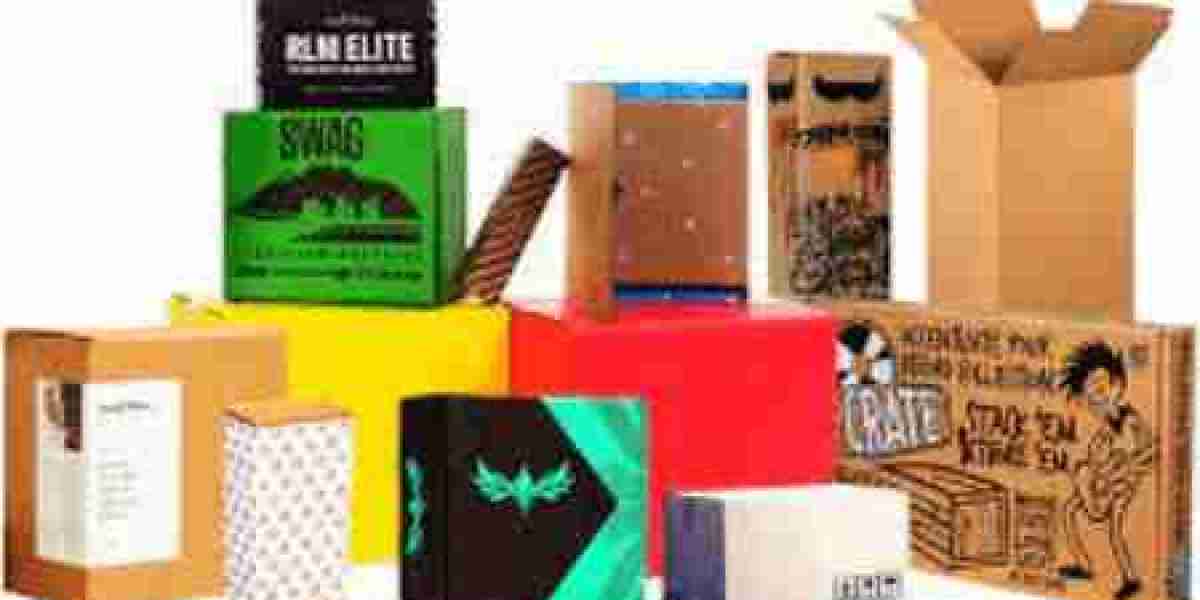

Ordering custom boxes for the first time can feel overwhelming, with dozens of decisions about material, size, finish, and minimum order quantities all needing answers before a supplier can even quote a price. Rather than covering the general benefits of custom packaging, this article works through the practical checklist every business should run through before placing that first order.
Confirm Your Product's Exact Dimensions First
Before discussing style or material with any supplier, the very first step in ordering custom boxes is measuring your product precisely. Guessing at dimensions, or rounding generously "to be safe," is one of the most common reasons businesses end up with boxes that either waste material or fail to protect the product properly.
Measure your product at its widest, tallest, and longest points, including any padding, inserts, or accessories that will ship alongside it. Bring this exact measurement to your supplier rather than asking them to estimate based on a general product description.
Decide Between Standard and Fully Custom Sizing
Many suppliers offer both standard, pre-set box sizes and fully custom dimensions built around your specific product. Standard sizes are typically faster to produce and less expensive, since they don't require new tooling or dieline development. Fully custom custom boxes, while taking slightly longer to produce, ensure a precise fit that standard sizing often cannot match.
For businesses with unusual product shapes or very specific branding requirements, fully custom dimensions are usually worth the additional lead time. For more standard product categories, checking whether a supplier's existing size range already fits your needs can save both time and money.
Choose a Material Based on Function, Not Just Looks
It is easy to choose a material for custom boxes based purely on appearance, but function should come first. Corrugated cardboard offers strong protection for shipping and bulk distribution. Cardstock and paperboard work well for retail display where shelf presentation matters more than heavy-duty protection. Rigid board delivers a premium feel but adds cost and is generally considered less eco-friendly than standard cardboard alternatives.
Match the material to how the box will actually be used — shipped long distances, displayed on a shelf, or handed directly to a customer — rather than choosing based solely on which sample looked best in a supplier's catalog.
Ask About Minimum Order Quantities Upfront
Minimum order quantities vary enormously between suppliers, and this single factor can eliminate certain options before you even get to material or design discussions. Some manufacturers of custom boxes offer low minimums starting around ten units, specifically designed for small businesses or first-time orders, while others require much larger commitments to make custom production economical.
Confirming this number early in the conversation prevents wasted time discussing design details for an order size that doesn't actually fit your business stage or budget.
Request a Physical Sample Before Bulk Production
Regardless of how confident you feel about your design choices, requesting a physical sample before committing to a full production run of custom boxes is one of the most important steps in the entire process. Digital mockups and screen colors can look noticeably different from the final printed and assembled product.
Many suppliers offer free or low-cost pre-production samples specifically for this reason, allowing you to confirm structure, fit, and print quality before locking in a large order that would be costly to redo if something doesn't match expectations.
Understand the Printing Method Being Used
Different printing methods affect both cost and final appearance. Digital printing tends to work well for smaller production runs or designs that may change frequently, while offset printing, often using CMYK or PMS color matching, typically delivers more precise color accuracy for larger orders. Ask your supplier directly which method they'll be using for your custom boxes and how that choice affects your specific design and budget.
Confirm Turnaround Time Against Your Actual Deadline
Production timelines for custom boxes vary depending on order complexity, size, and quantity, but most established suppliers can provide a clear estimate before you finalize your order. If your packaging is tied to a specific product launch, retail placement date, or seasonal campaign, confirm this timeline explicitly rather than assuming a standard turnaround will automatically meet your deadline.
Review Design Files Against the Supplier's Guidelines
Before submitting final artwork, check your design against the supplier's specific bleed margins, safe zones, and file format requirements. A design that looks correct on screen can result in cropped text or misaligned graphics once printed if it doesn't account for the actual cutting and folding process used to assemble custom boxes.
Factor in Free Design Support if Available
Many packaging manufacturers include free design consultation or unlimited revisions as part of their standard service, which can meaningfully reduce both cost and the back-and-forth typically involved in finalizing a packaging design. If you don't have an in-house designer, ask specifically whether this kind of support is included before assuming you'll need to hire outside help to finalize your custom boxes.
Conclusion
Ordering custom boxes successfully comes down to working through a clear, practical sequence: accurate measurements, the right material for the box's actual job, a realistic minimum order quantity, a confirmed sample, and a clear understanding of printing method and turnaround time. Running through this checklist before contacting a supplier saves time, prevents costly mistakes, and results in packaging that fits both your product and your budget the first time around.






