
If you're considering a career in event planning, one of the most important things to understand is exactly what you'll gain from the training. The skills you will learn in an event management course go far beyond simply organizing parties or decorating venues — they cover a wide range of practical, business, and interpersonal abilities that prepare you for real-world event execution. This article breaks down the key skills you will learn in an event management course, explains why each one matters, and helps you understand how this training translates into a successful career.
Why the Right Skill Set Matters in Event Management
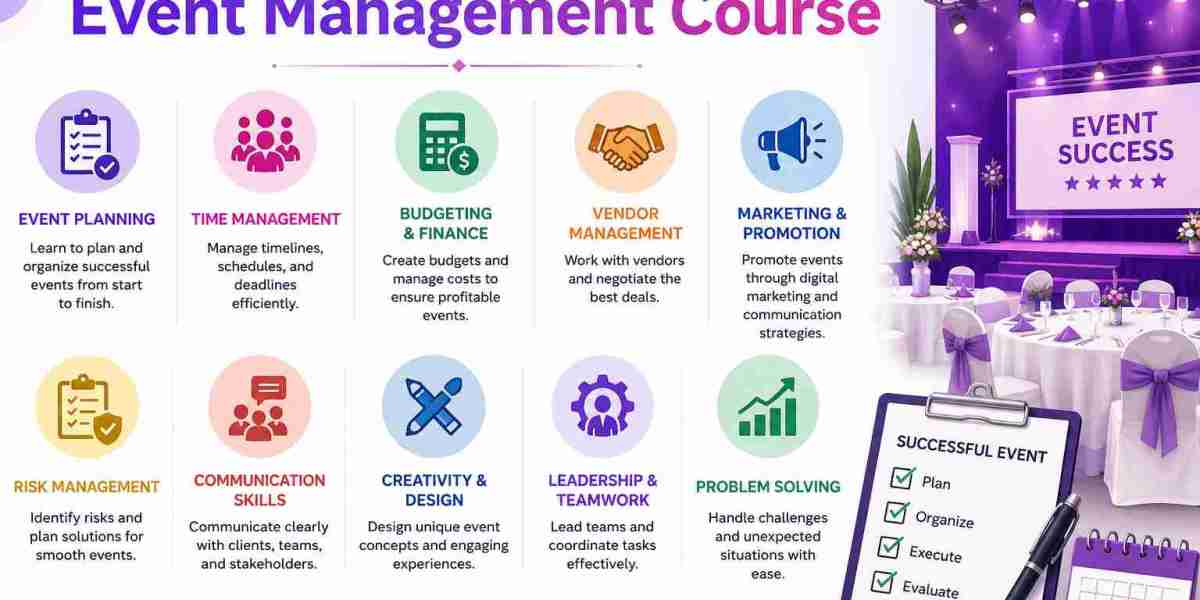
Event management is a fast-paced, detail-heavy profession where even small mistakes can disrupt an entire event. That's why the skills you will learn in an event management course are designed to prepare you for the unpredictable nature of live events. From budgeting and vendor negotiation to crisis management and client communication, a well-rounded skill set is what separates a successful event manager from someone who simply enjoys planning parties. Let's look at exactly what these skills are and how they're typically taught.
1. Event Planning and Conceptualization
One of the very first skills you will learn in an event management course is how to take a vague idea and turn it into a fully developed event concept. This includes:
- Understanding client goals and target audience
- Choosing a theme or concept that matches the event's purpose
- Creating a structured timeline from initial planning to execution
- Setting clear objectives and measurable outcomes
This foundational skill ensures that every event has direction and purpose, rather than being a random collection of activities and decorations.
2. Budgeting and Financial Management
Money management is one of the most practical skills you will learn in an event management course. Students are trained to:
- Create detailed event budgets covering venue, catering, decor, staffing, and contingencies
- Negotiate with vendors to get the best value without compromising quality
- Track expenses throughout the planning process to avoid overspending
- Build in buffer amounts for unexpected costs
Without strong budgeting skills, even the most creative event idea can fail financially, which is why this is treated as a core part of the curriculum.
3. Vendor and Supplier Coordination
Working with vendors — caterers, decorators, photographers, sound and lighting technicians, and venue managers — is a daily reality in this field. Among the most valuable skills you will learn in an event management course is how to:
- Source and compare vendors based on quality, price, and reliability
- Negotiate contracts and service agreements
- Coordinate timelines so all vendors arrive and deliver on schedule
- Resolve conflicts or last-minute vendor issues smoothly
Strong vendor relationships, built through good coordination skills, often become one of an event manager's most valuable professional assets.
4. Time Management and Organizational Skills
Event management runs on tight schedules, which makes time management one of the most heavily emphasized skills you will learn in an event management course. Training typically covers:
- Building detailed run-sheets and checklists
- Prioritizing tasks under pressure
- Managing multiple events or projects simultaneously
- Meeting strict deadlines without sacrificing quality
These organizational habits are useful not just for event day itself, but throughout the entire planning process, which can span weeks or months.
5. Communication and Client Relationship Management
Clear communication is essential in event management, and it's consistently highlighted as one of the most important skills you will learn in an event management course. This includes:
- Understanding and clarifying client expectations
- Writing professional proposals, contracts, and emails
- Managing client concerns or last-minute change requests calmly
- Coordinating clearly with vendors, venue staff, and team members
Good communication skills reduce misunderstandings and help build the kind of trust that leads to repeat business and referrals.
6. Marketing and Promotional Skills
For events that need public attendance — concerts, exhibitions, product launches, or conferences — marketing know-how becomes essential. Among the skills you will learn in an event management course are:
- Creating promotional strategies across social media and traditional channels
- Designing marketing materials such as invitations, banners, and digital content
- Building buzz and anticipation before an event
- Measuring the success of promotional campaigns through attendance and engagement
This skill set is particularly valuable for students interested in corporate events, brand activations, or public entertainment events.
7. Logistics and On-Site Coordination
Executing an event flawlessly requires sharp logistical thinking. This is one of the more hands-on skills you will learn in an event management course, covering:
- Venue layout planning and space utilization
- Transportation and equipment logistics
- Staff scheduling and role assignment
- Real-time problem-solving during the event itself
Strong logistics skills ensure that everything — from seating arrangements to sound checks — runs smoothly on the actual day.
8. Risk Management and Crisis Handling
No event goes perfectly according to plan, which is why risk management is treated as a critical part of the curriculum. Among the more advanced skills you will learn in an event management course are:
- Identifying potential risks during the planning phase
- Creating contingency plans for weather, vendor delays, or technical failures
- Staying calm and making quick decisions under pressure
- Managing emergency situations professionally and discreetly
This skill is often what truly distinguishes experienced event managers — the ability to handle the unexpected without letting it derail the entire event.
9. Leadership and Team Management
Event managers rarely work alone; they lead teams of staff, volunteers, and vendors. That's why leadership is consistently listed among the essential skills you will learn in an event management course:
- Delegating tasks effectively based on team strengths
- Motivating staff and managing performance under pressure
- Resolving conflicts between team members or vendors
- Taking ownership and accountability for the event's overall success
These leadership skills are transferable well beyond the events industry, making this training valuable even for students who later move into other management roles.
10. Technology and Digital Tools for Event Planning
Modern event management increasingly relies on technology, and most updated courses now include training on digital tools as part of the core skills you will learn in an event management course:
- Event planning and project management software
- Online registration and ticketing platforms
- Virtual and hybrid event technology
- Social media scheduling and analytics tools
As the industry shifts toward tech-integrated events, this skill set helps graduates stay competitive and relevant in a changing market.
11. Negotiation Skills
Negotiation runs through almost every aspect of event planning, from vendor contracts to client pricing discussions. Strong negotiation ability is one of the more nuanced skills you will learn in an event management course, helping you:
- Secure better rates from suppliers without damaging relationships
- Set fair, profitable pricing for your own services
- Handle pushback from clients or vendors professionally
- Find win-win solutions when budgets or expectations clash
12. Creativity and Design Sensibility
While logistics and budgeting are essential, creativity remains at the heart of memorable events. Courses typically nurture this through:
- Theme development and design styling
- Color coordination, decor planning, and visual storytelling
- Creating unique guest experiences that stand out
- Balancing creative vision with practical constraints
This blend of creativity and practicality is often what clients value most in a skilled event planner.
How These Skills Translate Into Career Success
The combination of skills you will learn in an event management course prepares you for a wide variety of roles — wedding planner, corporate event coordinator, exhibition manager, or even your own event planning business. Employers and clients consistently look for professionals who can demonstrate a mix of organizational ability, financial discipline, creative thinking, and calm leadership under pressure. By mastering these skills during your training, you position yourself as a well-rounded candidate ready to handle real-world event challenges from day one.
Final Thoughts
The skills you will learn in an event management course form the backbone of a successful career in this dynamic field. From budgeting and vendor coordination to leadership, marketing, and crisis management, each skill plays a specific role in ensuring events run smoothly and leave a lasting impression. Whether your goal is to join an established event company or build your own planning business, investing time in mastering these skills will give you the confidence and capability to succeed in Lahore's growing event industry and beyond.