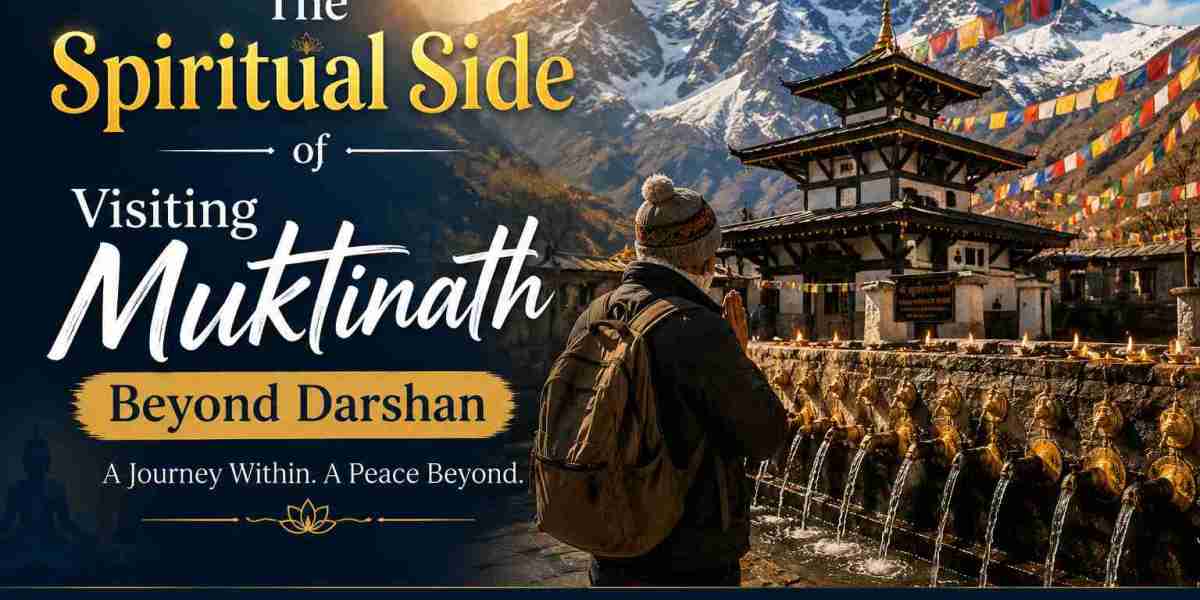

Muktinath, located in the Mustang district of Nepal at a height of about 3,710 meters, is considered to be one of the holiest pilgrimage destinations of the Himalayas. Spiritually revered, the temple represents liberation, compassion, and spiritual enlightenment.
For some worshippers, the Muktinath mandir darshan isn’t just a ritual. Rather, it is an exercise in introspection and humility. And with its majestic Himalayan backdrop, the experience becomes all the more spiritual, making it more than just another tourist activity.
The Meaning of Moksha and Liberation
The term “Muktinath” is translated as “Lord of Liberation”. The pilgrims have faith that when they pray at this place, it will purify their past karma and lead them to moksha, which means spiritual liberation.
The most important rituals include taking a bath through the 108 sacred water taps encircling the temple complex despite the freezing water. This ritual is seen as an act of cleansing the body of any worldly attachment and embarking on the process of spiritual rebirth.
Unlike other pilgrim centres, which can be very hectic and crowded, Muktinath offers a serene environment for one to communicate with God and offer their prayers.
A Meeting Point of Faiths
People have long been drawn to Muktinath by the peace, contemplation and self-connection that it offers. People from various cultures have travelled to this place with their own beliefs and reasons for visiting, forming a peaceful environment of harmony and mutual respect.
The combination of all these makes Muktinath a spiritually distinctive destination, where most visitors feel the need to appreciate and be thankful for what makes us similar as humans, despite our different beliefs.
Finding Peace Amidst the Himalayas
The harsh terrain around Muktinath plays an important part in giving it its spiritual allure. The trip is in itself a lesson in perseverance. Walking amidst such secluded terrain and breathing in fresh mountain air tends to induce moments of reflection.
It is for this reason that many people who have visited Muktinath talk about the transforming experience. The silence of the mountains, the whirling of prayer wheels, and the simplicity of life here are conducive to mindfulness and gratitude.
And that is precisely why Muktinath mandir darshan becomes so memorable for its moments of peace.
A Gateway to Greater Pilgrimages
Muktinath often becomes a part of a bigger Himalayan trek for those who are spiritually oriented. Many devotees see the temple visit and the pilgrimage to Kailash Mansarovar from Nepal as complementary experiences.
Mount Kailash and Lake Mansarovar are of great religious importance. These physical journeys can often be transformed into a means of discipline and spiritual development.
A journey via Nepal provides pilgrims with an array of routes and the chance to discover these holy territories that have been inspiring seekers for years.
Planning Sacred Journeys with Nepal Tourism Package
A number of tourists who visit Muktinath and Kailash Mansarovar from Nepal prefer organised tours. One such organised tour package is Nepal Tourism Package, which has earned recognition as a provider of well-planned trips for pilgrims.
These include Muktinath tours, Kailash Mansarovar Yatra by road, helicopter journeys, and scheduled and customised spiritual packages. This type of service ensures that pilgrims spend less time worrying about logistics and more time on the spiritual aspect of their pilgrimage through the facilitation of permits, accommodation, and travel.
Conclusion
Muktinath mandir darshan is not just about performing rituals and visiting the temples; it’s much more than that. It is an opportunity to pause and think, an opportunity to connect with spirituality. From being silent in the Himalayas to being involved in the practice of liberation, this trip gives memories to many devotees which inspire them even after returning home.








