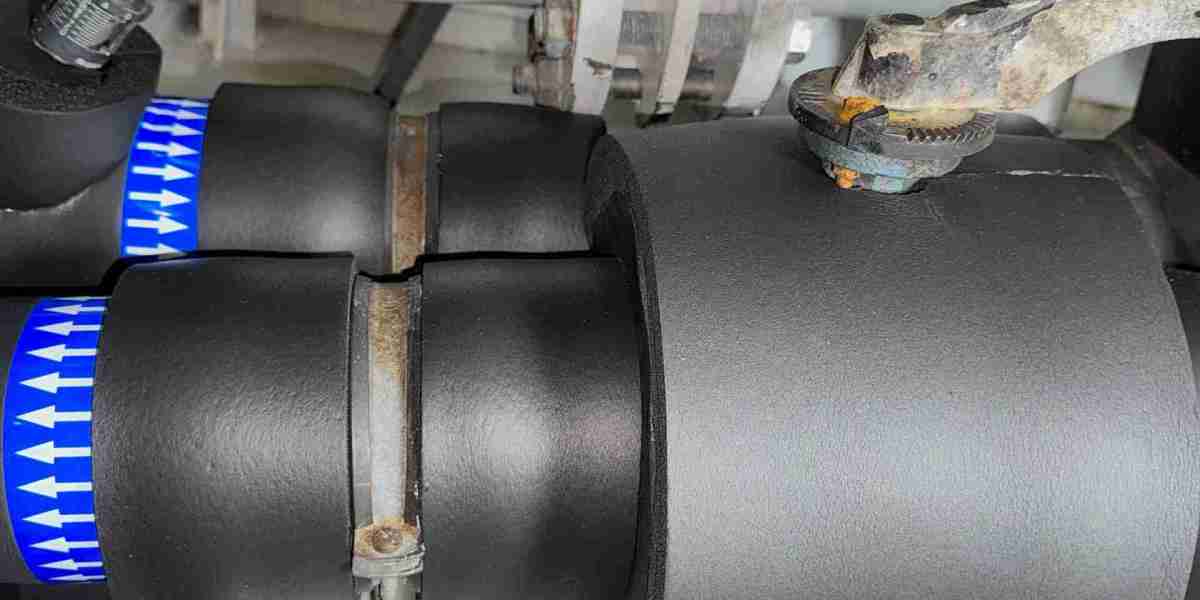

Ship engine rooms represent one of the most acoustically demanding environments within any vessel. Massive propulsion machinery, auxiliary generators, compressors, hydraulic equipment, and ventilation systems collectively generate persistent sound energy that affects crew welfare, operational precision, and equipment longevity. Marine Noise Insulation plays a decisive role in reducing these unwanted acoustic emissions while supporting maritime safety standards. Modern Marine soundproofing systems combine advanced engineering, specialized insulation materials, and intelligent installation techniques to create quieter, more efficient working environments throughout commercial and offshore fleets.
Why Engine Room Noise Demands Attention
Engine compartments continuously produce broadband frequencies, vibration-induced resonance, and structural sound transmission. Without suitable acoustic treatment, these disturbances spread through decks, bulkheads, and adjoining compartments, creating fatigue, communication barriers, and reduced concentration among onboard personnel.
Beyond crew comfort, excessive noise contributes to accelerated wear of surrounding components because continuous vibration affects fasteners, mounting assemblies, and sensitive instrumentation. International maritime regulations increasingly encourage operators to minimize occupational noise exposure, making acoustic optimization a practical investment rather than an optional enhancement.
A carefully designed Marine Noise Insulation strategy addresses airborne sound, impact vibration, and structure-borne transmission simultaneously, creating measurable improvements across the vessel.
Core Principles of Marine Noise Insulation
Successful acoustic control depends upon understanding how sound behaves inside enclosed machinery spaces. Every installation should balance absorption, isolation, damping, and sealing rather than relying on a single insulation product.
Acoustic Absorption
Porous insulation panels capture sound waves before they reflect throughout confined compartments. Mineral wool, melamine foam, and high-density composite absorbers convert acoustic energy into minimal thermal energy, reducing reverberation considerably.
Strategic placement around generators, exhaust trunks, ventilation shafts, and machinery enclosures produces noticeable improvements without restricting equipment accessibility.
Structural Isolation
Mechanical vibration often travels farther through steel structures than airborne sound itself. Flexible mounting systems, resilient brackets, floating floors, and vibration isolators interrupt these transmission paths.
Combining structural isolation with Marine soundproofing significantly reduces secondary noise reaching accommodation spaces and navigation areas.
Barrier Performance
Dense acoustic barriers resist sound penetration by adding mass between noisy machinery and occupied compartments. Composite barrier blankets frequently integrate reinforced vinyl layers with absorptive insulation to achieve exceptional transmission loss.
Airtight Installation
Even premium insulation materials lose effectiveness when installation gaps remain around cable penetrations, pipe openings, maintenance doors, or ventilation interfaces. Acoustic sealants preserve enclosure integrity while preventing sound leakage through microscopic openings.
Selecting Suitable Marine Soundproofing Materials
Every vessel presents distinct operating conditions involving humidity, vibration, elevated temperatures, and fire-resistance requirements. Consequently, insulation materials must satisfy both acoustic and maritime performance criteria.
Mineral Wool Systems
Mineral wool demonstrates outstanding thermal resistance alongside excellent sound absorption. Its non-combustible characteristics make it particularly suitable for engine room bulkheads and ceiling applications.
Composite Acoustic Panels
Modern composite panels combine absorptive cores with protective facings that resist moisture, oil contamination, and mechanical abrasion. These assemblies simplify maintenance while maintaining reliable acoustic performance over extended service intervals.
Elastomeric Vibration Layers
Flexible elastomer sheets damp structural resonance by converting vibration into negligible heat. Installing these layers beneath machinery foundations minimizes sound transmission throughout supporting steelwork.
Acoustic Blankets
Removable insulation blankets offer practical protection around exhaust manifolds, turbines, pumps, and pipework. Maintenance crews can easily detach and reinstall them during servicing procedures without damaging insulation performance.
Selecting premium Marine Noise Insulation products ensures compatibility with marine fire classifications, corrosion resistance, and long-term durability under demanding operational conditions.
Installation Practices That Deliver Lasting Results
Exceptional materials alone cannot guarantee optimal acoustic performance. Installation precision determines the overall effectiveness of every insulation project.
Begin with a comprehensive acoustic survey that identifies dominant noise sources, structural vibration pathways, and reflection zones. Mapping these characteristics allows engineers to prioritize treatment locations rather than applying insulation indiscriminately.
Panels should fit tightly against supporting structures while maintaining manufacturer-recommended fastening intervals. Loose attachments create unwanted resonance that diminishes acoustic efficiency.
Mechanical equipment should receive vibration isolation before surrounding insulation is installed. Addressing vibration first prevents structure-borne noise from bypassing absorptive treatments.
Pipe penetrations require flexible acoustic collars to maintain airtight integrity without restricting thermal expansion.
Routine inspection schedules help identify detached panels, compressed insulation, moisture intrusion, or deteriorated sealants before acoustic performance declines significantly.
Well-executed Marine soundproofing installations maintain consistent effectiveness throughout years of demanding maritime operation.
Common Sources of Engine Room Noise
Understanding dominant sound origins enables targeted corrective measures.
Main Propulsion Engines
Large diesel engines produce combustion pulses, mechanical impacts, intake noise, and exhaust emissions that dominate the acoustic environment.
Auxiliary Generators
Electrical generators contribute continuous tonal frequencies capable of travelling considerable distances through supporting structures.
Ventilation Systems
High-capacity fans often generate aerodynamic turbulence accompanied by duct resonance. Proper acoustic lining substantially decreases these emissions.
Pumps and Compressors
Rotating equipment creates repetitive vibration patterns that amplify when rigidly connected to surrounding steel frameworks.
Exhaust Assemblies
High-temperature exhaust pathways remain among the loudest components onboard. Specialized thermal-acoustic blankets effectively reduce radiated sound while preserving heat containment.
Addressing every source collectively allows Marine Noise Insulation systems to achieve balanced acoustic improvement.
Benefits Beyond Noise Reduction
Comprehensive acoustic engineering delivers operational advantages extending far beyond quieter workspaces.
Crew members experience lower fatigue levels during extended voyages, supporting improved concentration and safer machinery operation.
Clear verbal communication becomes easier during maintenance procedures and emergency situations.
Reduced structural vibration minimizes stress on electronic monitoring systems, electrical cabinets, lighting fixtures, and precision instrumentation.
Enhanced onboard comfort contributes positively to crew retention, particularly on vessels operating long offshore rotations.
Additionally, quieter machinery spaces often simplify compliance with occupational exposure guidelines established by maritime authorities.
Mistakes That Reduce Acoustic Performance
Several avoidable practices frequently undermine otherwise effective insulation systems.
Installing incompatible materials lacking marine certification introduces safety concerns and accelerated deterioration.
Leaving inspection hatches untreated creates significant acoustic leakage despite surrounding insulation.
Compressing absorptive materials during installation reduces their internal air volume, limiting sound absorption capability.
Ignoring vibration isolation allows structure-borne sound to bypass expensive acoustic barriers entirely.
Failing to inspect insulation after maintenance activities may leave protective panels improperly reinstalled.
Professional planning prevents these shortcomings while maximizing returns on every Marine soundproofing investment.
Future Innovations in Marine Acoustic Engineering
Marine acoustic technology continues evolving through lightweight composites, nanofiber insulation, intelligent damping materials, and predictive vibration monitoring systems.
Digital acoustic modelling enables engineers to simulate engine room performance before installation begins, reducing costly modifications later in vessel construction.
Environmentally responsible insulation manufactured from recyclable materials also supports sustainability initiatives across modern shipping industries without compromising acoustic capability.
As regulations become increasingly rigorous, integrated insulation solutions will likely combine thermal efficiency, fire protection, corrosion resistance, and superior sound attenuation within single engineered systems.
Conclusion
Effective engine room acoustic management requires thoughtful planning, certified materials, meticulous installation, and ongoing maintenance. Rather than treating individual noise sources independently, successful vessels adopt integrated solutions that control vibration, airborne sound, and structural transmission simultaneously. Investing in Marine Noise Insulation alongside professionally engineered Marine soundproofing enhances crew wellbeing, equipment reliability, regulatory compliance, and overall operational efficiency, making it an indispensable element of modern maritime engineering.








