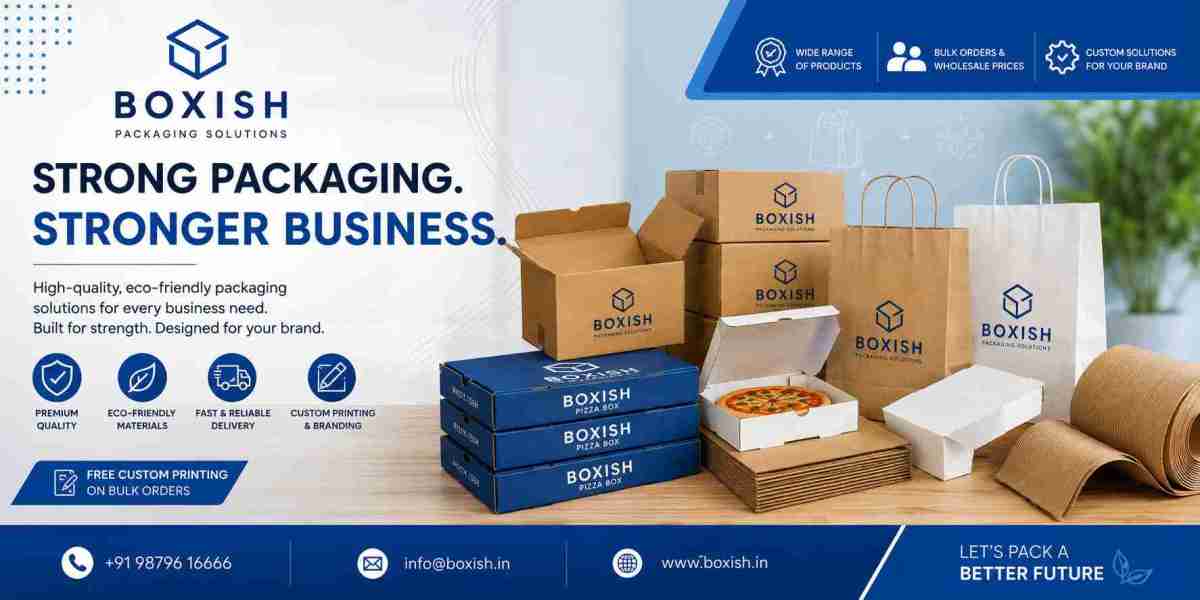

Choosing the correct paper bag size is one of the most important decisions for any business involved in retail, food service, or e-commerce. A bag that is too small may tear or fail to hold the product securely, while an oversized bag wastes material, increases costs, and creates an unprofessional presentation.
Whether you operate a clothing store, bakery, café, supermarket, gift shop, pharmacy, restaurant, or online business, selecting the right paper bag size improves customer convenience, protects products, and enhances your brand image. In many cases, businesses also combine paper bags with other packaging materials, such as a corrugated box for shipping or a pizza box for food delivery, to ensure products reach customers safely.
This guide explains everything you need to know about paper bag sizes, dimensions, industry applications, and how to choose the perfect bag for your business.
Why Paper Bag Size Matters
Many businesses focus on paper quality or printing but overlook bag dimensions. Choosing the correct size offers several advantages:
Protects products during carrying
Improves the customer shopping experience
Reduces unnecessary packaging costs
Minimizes material waste
Creates a professional brand presentation
Makes storage and inventory management easier
Selecting the proper dimensions ensures every product fits securely without excessive empty space or unnecessary strain on the bag.
Understanding Paper Bag Dimensions
Paper bags are generally measured using three dimensions:
Width (W) × Gusset (G) × Height (H)
Width is the front opening of the bag.
Gusset is the side or bottom expansion that provides additional capacity.
Height measures from the bottom to the top of the bag.
For example:
12W × 5G × 16H inches
This means:
Width: 12 inches
Gusset: 5 inches
Height: 16 inches
Understanding these measurements helps businesses order bags that fit their products accurately.
Common Paper Bag Sizes
Different industries require different bag dimensions. Below are some of the most commonly used sizes.
Small Paper Bags
Typical Size:
6 × 3 × 8 inches
8 × 4 × 10 inches
Best suited for:
Cosmetics
Medicines
Jewellery
Accessories
Small bakery products
Mobile accessories
Small bags are lightweight, economical, and easy to store.
Medium Paper Bags
Typical Size:
10 × 5 × 13 inches
11 × 6 × 14 inches
Suitable for:
Clothing
Shoes
Lunch packaging
Grocery items
Books
Gift items
These sizes are among the most popular choices for retail businesses.
Large Paper Bags
Typical Size:
13 × 7 × 17 inches
15 × 6 × 18 inches
17 × 7 × 19 inches
Ideal for:
Apparel stores
Supermarkets
Multiple-item purchases
Gift shops
Home décor products
Large paper bags provide additional carrying capacity while maintaining a professional appearance.
Extra-Large Paper Bags
Common dimensions include:
18 × 8 × 20 inches
20 × 8 × 22 inches
Used for:
Large clothing purchases
Bulk grocery orders
Retail chains
Exhibition materials
Promotional merchandise
These bags require stronger paper and reinforced handles to carry heavier loads safely.
Choosing the Right Paper Bag for Retail Stores
Retail businesses sell products in different shapes and sizes, making bag selection especially important.
Fashion stores often choose premium white paper bag designs with rope handles because they create an elegant shopping experience.
Supermarkets and grocery stores typically prefer durable brown paper bag options that provide strength and a natural appearance.
Bookstores, pharmacies, electronics shops, and cosmetic retailers usually keep multiple bag sizes available to match different customer purchases.
Offering a variety of sizes helps reduce packaging waste while improving customer satisfaction.
Paper Bag Sizes for Food Packaging
Food businesses require bags that are practical, hygienic, and easy to carry.
Restaurants commonly use medium and large paper bags for takeaway meals, while bakeries prefer smaller kraft bags for bread, pastries, cookies, and snacks.
For pizza delivery, businesses usually combine a paper bag with a sturdy pizza box when carrying additional items such as beverages, sauces, desserts, or side dishes.
Using the correct bag size keeps food secure during transportation and enhances the takeaway experience.
Brown Paper Bag vs White Paper Bag
Businesses often choose between two popular styles based on branding and customer expectations.
Brown Paper Bag
A brown paper bag has a natural kraft finish and is widely used for:
Grocery stores
Bakeries
Organic food brands
Restaurants
Cafés
Eco-friendly businesses
Benefits include:
Rustic appearance
Strong construction
Cost-effective packaging
Sustainable branding
White Paper Bag
A white paper bag offers a clean and premium finish, making it ideal for:
Fashion boutiques
Jewellery stores
Electronics retailers
Cosmetic brands
Luxury gift shops
Advantages include:
Excellent print quality
Premium presentation
Modern appearance
Better colour reproduction for branding
The choice depends on your business image and the experience you want to create for customers.
Paper Gift Bag Sizes
A paper gift bag is designed to enhance product presentation while making gifts easier to carry.
Popular sizes include:
Small:
Jewellery
Watches
Cosmetics
Medium:
Clothing
Books
Perfumes
Large:
Shoes
Gift hampers
Multiple gift items
Gift bags often feature premium paper, rope handles, and high-quality printing that adds value to the customer experience.
How to Select the Correct Paper Bag Size
Before ordering paper bags, consider the following factors.
Product Dimensions
Measure the length, width, and height of the products you plan to package.
Product Weight
Heavier products require thicker paper and stronger handles.
Number of Items
Customers often purchase multiple products at once, so choose sizes that comfortably accommodate typical order quantities.
Storage Space
Maintaining several bag sizes improves packaging efficiency while reducing storage challenges.
Brand Presentation
The bag should complement your products and reflect your brand identity.
Paper Quality Matters
Selecting the right size is only one part of the decision.
Businesses should also consider:
Paper thickness (GSM)
Handle strength
Printing quality
Moisture resistance
Durability
High-quality paper improves customer confidence and reduces the chances of tearing during use.
Combining Paper Bags with Other Packaging Materials
Many businesses use more than one packaging solution.
For example:
Online orders are packed inside a corrugated box before shipping.
Retail customers receive purchases in paper bags.
Fragile items include protective packaging materials such as tissue paper or inserts.
Restaurants use takeaway bags alongside pizza boxes for complete meal packaging.
Choosing complementary packaging solutions protects products throughout the entire delivery process.
Common Mistakes to Avoid
Businesses often make several mistakes when selecting paper bag sizes.
Avoid:
Ordering only one universal size
Ignoring product weight
Choosing oversized bags
Forgetting future product expansion
Selecting paper quality based only on price
Not testing samples before bulk orders
Proper planning reduces waste and improves customer satisfaction.
Benefits of Choosing the Right Paper Bag Size
Selecting the correct dimensions offers long-term advantages:
Better product protection
Reduced packaging costs
Professional brand image
Improved customer convenience
Efficient storage
Less material waste
Higher customer satisfaction
These benefits contribute to smoother business operations and a more consistent packaging experience.
Frequently Asked Questions
Which paper bag size is best for retail stores?
Medium and large sizes are the most commonly used because they accommodate a wide variety of products without wasting packaging material.
Are brown paper bags stronger than white paper bags?
Strength depends on paper quality and GSM rather than colour. Both brown paper bags and white paper bags can be manufactured to handle light or heavy products.
Which paper bag is best for gift packaging?
A paper gift bag with reinforced handles and premium printing provides the best presentation for gifts and luxury retail products.
Should e-commerce businesses use only paper bags?
For shipping, paper bags are usually paired with a corrugated box and protective packaging materials to ensure products arrive safely.
Can restaurants use paper bags for takeaway?
Yes. Paper bags are widely used for takeaway food and can easily carry containers, beverages, and side items. Many restaurants also use them alongside a pizza box for complete meal deliveries.
Final Thoughts
Choosing the right paper bag size is essential for delivering a professional customer experience while protecting products and reducing packaging costs. Whether your business needs compact bags for cosmetics, medium bags for retail shopping, or large bags for grocery and takeaway orders, selecting the proper dimensions improves efficiency and customer satisfaction.
Businesses should also think beyond paper bags by using complementary packaging materials where necessary. A durable corrugated box protects products during shipping, while a pizza box ensures safe food delivery. Whether you choose a natural brown paper bag, a premium white paper bag, or a stylish paper gift bag, the right size and quality help strengthen your brand and create a positive impression with every purchase.






