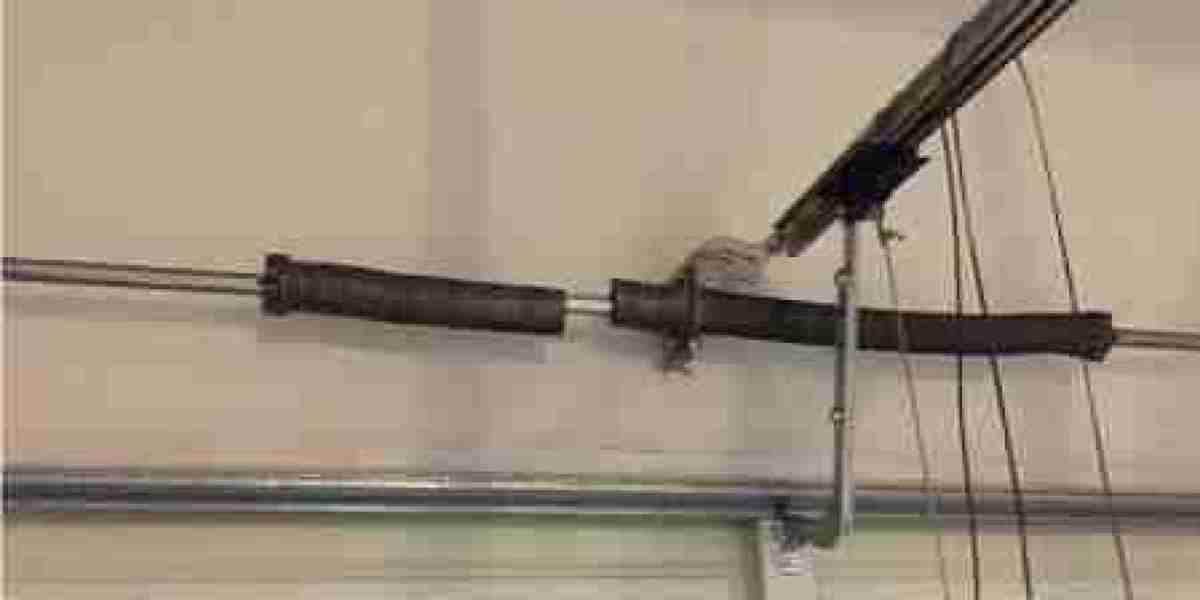

A garage door spring plays an important role in helping your garage door open and close safely. When the spring is working properly, it supports the weight of the door and allows the opener or manual operation to move the door smoothly. However, when you have a broken garage door spring, the entire garage door system can become difficult or unsafe to operate.
Many homeowners do not notice a problem until the garage door suddenly stops opening or they hear a loud noise coming from the garage. Knowing the common broken spring symptoms can help you identify the issue early and prevent additional damage.
If you are asking, “How do I know if my garage door spring is broken?” there are several signs to watch for, including a door that feels unusually heavy, visible damage to the spring, strange sounds, or a garage door that refuses to open.
What Is a Garage Door Spring and Why Is It Important?
Garage door springs are essential mechanical parts that help lift and balance the weight of your garage door. Since most garage doors are heavy, they require spring support to move safely and efficiently.
The spring works together with other components, including garage door cables, rollers, tracks, and the opener, to create smooth movement. When a spring fails, these connected parts may experience additional stress and wear.
A damaged spring can affect both the performance and safety of your garage door. Addressing the issue early through proper inspection and garage door spring repair can help prevent more expensive repairs.
How Garage Door Springs Work
Garage door springs work by storing and releasing energy during the opening and closing process. They balance the weight of the door so the opener does not have to carry the entire load.
There are two common types of garage door springs:
Torsion springs: These are installed above the garage door and use twisting force to lift the door.
Extension springs: These are installed along the sides of the door and stretch when the door operates.
Both spring types depend on proper spring tension to function correctly. When the spring loses tension or breaks, the garage door may become difficult to lift or may stop working completely.
A damaged spring can create problems such as a heavy garage door, uneven movement, and garage door opener problems.
Common Types of Garage Door Springs
Torsion springs are widely used in modern garage doors because they provide controlled lifting power and reliable performance. When these springs fail, a torsion spring replacement is usually required.
Extension springs are commonly found in older garage doors. These springs expand and contract during operation, which can lead to wear over time and may require extension spring repair.
Regular garage door maintenance helps identify early warning signs and keeps spring components working properly.
How Do I Know If My Garage Door Spring Is Broken?
Identifying a broken garage door spring is usually possible by paying attention to changes in how your garage door operates. While some problems may appear similar to opener issues, spring failure often has clear warning signs.
The Garage Door Will Not Open or Only Opens a Few Inches
One of the most common signs of a broken spring is a garage door that will not open properly. You may hear the opener running, but the door stays closed or only moves slightly.
This happens because the opener is designed to work with the support of the spring. Without that assistance, the opener cannot safely lift the full weight of the door.
A garage door not opening may be caused by:
A snapped spring
Loss of spring tension
Damaged lifting components
Broken garage door cables
If your garage door won’t open because of a broken spring, avoid forcing it open because the door may be much heavier than normal.
You Hear a Loud Bang Coming From the Garage
A loud popping or banging noise is another common sign of spring failure. Many homeowners hear a sudden sound and later discover that the spring has broken.
A snapped spring can release stored energy quickly, causing a noticeable noise. After this happens, you may see a visible gap in the spring coil or notice that the garage door no longer operates correctly.
A broken coil should be inspected carefully because continuing to use the door may damage other parts.
The Garage Door Looks Uneven or Moves Incorrectly
A properly working garage door should move evenly on both sides. If one side rises higher than the other or the door appears crooked, it may indicate a spring problem.
Uneven garage door movement can happen when one spring breaks while the other components continue working. This puts extra pressure on the remaining parts.
A door balance test can help identify whether the spring system is supporting the door correctly, but spring adjustments should only be performed by trained professionals.
What Are the Most Common Broken Garage Door Spring Symptoms?
Understanding common symptoms can help homeowners recognize spring problems before they become serious. Early detection can prevent additional damage to the opener and other garage door components.
Garage Door Feels Extremely Heavy
A garage door that suddenly feels too heavy is a major sign that the spring system is not working correctly.
The purpose of springs is to balance the weight of the door. When a spring breaks, the full weight of the door transfers to the opener and anyone trying to lift it manually.
A garage door that feels too heavy can damage the opener motor and create a safety concern.
Garage Door Opener Struggles or Stops Working
Many homeowners assume their opener is broken when the garage door does not move. However, the actual problem may be related to the spring.
Common garage door opener problems caused by spring failure include:
The opener runs but does not lift the door
The motor makes unusual sounds
The opener stops because of excessive strain
Proper garage door troubleshooting should include checking the spring system before replacing the opener.
Cables Are Loose or Hanging
When a spring breaks, the garage door cables may become loose or fall out of position.
Loose cables indicate that the lifting system is not working correctly. Operating the door in this condition can damage additional components.
If you notice hanging cables or an unstable door, scheduling emergency garage door repair is recommended.
Why Do Garage Door Springs Break?
Garage door springs usually fail because of regular use, environmental conditions, or installation problems. Understanding the causes can help homeowners prevent unexpected issues.
Normal Wear and Tear Over Time
Every garage door spring has a limited service life based on the number of opening and closing cycles it completes.
Over time, repeated movement weakens the metal and reduces the spring’s ability to handle tension.
The spring lifespan depends on:
Frequency of use
Spring quality
Door weight
Maintenance habits
Regular service can help detect wear before complete failure occurs.
Rust, Corrosion, and Poor Maintenance
Moisture and humidity can cause rust, which weakens the spring material. Lack of lubrication can also increase friction and reduce performance.
Following garage door maintenance tips, such as cleaning and inspecting moving parts, can help extend the life of the spring system.
Incorrect Installation or Low-Quality Components
A spring that is incorrectly installed may fail sooner than expected. Incorrect sizing, poor adjustment, or improper tension can place unnecessary stress on the system.
Hiring a professional garage door technician ensures the correct spring type is selected and installed properly.
How Can I Check If My Garage Door Spring Is Damaged?
Homeowners can perform a basic inspection to look for visible signs of damage. However, garage door springs contain stored energy and should not be adjusted without proper training.
Perform a Visual Inspection
During a visual inspection, look for signs such as:
A gap in the spring coil
Rust or corrosion
Loose spring sections
Hanging cables
Uneven door position
Learning how to check if a garage door spring is damaged can help identify problems early.
A DIY garage door inspection is useful for noticing visible issues, but repairs should be handled by a trained professional.
Test the Garage Door Balance
A balance test can help determine whether the spring is supporting the garage door correctly.
If the door falls quickly after being lifted slightly or feels unusually heavy, there may be a problem with the spring system.
A professional inspection can provide an accurate diagnosis and recommend the right solution.
Can I Open My Garage Door With a Broken Spring?
Although some garage doors may still move after a spring breaks, operating the door is not recommended because it can create safety risks and cause further damage.
Risks of Using a Garage Door With a Broken Spring
A broken spring can damage:
The garage door opener
Garage door cables
Tracks
Rollers
Other lifting components
Trying to force the door open may also increase the chance of injury because the door can be difficult to control.
When to Call a Professional Garage Door Technician
Garage door spring repair and replacement require specialized tools and experience because springs store significant tension.
A professional technician can safely handle:
Garage door spring repair
Garage door spring replacement
Cable adjustments
Complete system inspections
Professional service helps restore safe and reliable garage door operation.
Garage Door Spring Repair vs. Replacement: Which Option Do You Need?
When a spring breaks completely, repair is usually not possible. In most cases, the damaged spring needs to be replaced with a properly sized component.
When Garage Door Spring Replacement Is Necessary
Garage door spring replacement is needed when:
The spring has snapped
The coil is damaged
The spring no longer maintains proper tension
The spring has reached the end of its service life
Replacing worn springs before they fail can help reduce unexpected breakdowns.
Factors That Affect Garage Door Spring Replacement Cost
The cost to replace a broken garage door spring depends on several factors, including:
Spring type
Garage door size
Labor requirements
Number of springs needed
Additional repairs
A professional inspection can help determine the exact repair requirements.
How Can I Prevent Future Garage Door Spring Problems?
Regular maintenance can improve garage door performance and reduce the chance of unexpected spring failure.
Schedule Regular Garage Door Inspections
A professional garage door safety inspection helps identify problems before they become major repairs.
An inspection may include checking:
Spring condition
Cable alignment
Door balance
Opener operation
Regular inspections help maintain a safer and more reliable garage door system.
Keep Moving Parts Clean and Lubricated
Proper maintenance reduces unnecessary stress on garage door components.
Helpful maintenance steps include:
Lubricating moving parts
Checking for unusual sounds
Cleaning tracks
Scheduling routine service
Following garage door maintenance practices can improve performance and extend the life of your equipment.
Frequently Asked Questions About Broken Garage Door Springs
How do I know if my garage door spring is broken?
Common signs include a garage door that will not open, a loud bang, visible spring damage, a heavy door, or uneven movement. These broken spring symptoms usually indicate that the spring needs inspection or replacement.
What happens when a garage door spring breaks?
When a spring breaks, it loses its ability to support the door’s weight. The garage door may become difficult to lift, and other parts may experience extra stress.
Can I replace a broken garage door spring myself?
Garage door spring replacement is not recommended as a DIY project because springs contain high tension. Professional installation is safer and ensures proper adjustment.
How long does a garage door spring usually last?
The lifespan depends on usage, spring quality, maintenance, and operating conditions. Regular inspections can help extend performance and identify problems early.
How much does it cost to replace a broken garage door spring?
The cost varies depending on the spring type, door system, labor, and any additional repairs required. A professional technician can provide an accurate estimate after inspection.
Conclusion
A broken garage door spring can prevent your garage door from working properly and may create safety concerns if ignored. Recognizing signs such as a heavy door, unusual sounds, uneven movement, and visible spring damage allows you to address the issue before it leads to bigger problems.
Regular maintenance and professional inspections can help extend the life of your garage door system. When you need reliable spring repair or replacement services, WeFix Garage Door Repair can help restore safe and smooth operation.
Understanding the warning signs of spring failure allows homeowners to make better decisions and protect their garage door from unnecessary damage.








