
What Is Ceftazidime?
Ceftazidime is a third-generation cephalosporin antibiotic belonging to the β-lactam class, structurally characterized by a modified side chain that confers exceptional activity against Gram-negative pathogens. Unlike earlier cephalosporins, ceftazidime was specifically developed to enhance stability against certain β-lactamases and to improve penetration into Gram-negative bacterial outer membranes.
From a research and pharmaceutical development perspective, ceftazidime represents a model compound for studying β-lactam antibacterial mechanisms, resistance evolution, and combination therapy strategies.
How Does Ceftazidime Inhibit Bacterial Cell Wall Synthesis?
Ceftazidime exerts bactericidal activity by targeting penicillin-binding proteins (PBPs), which are essential enzymes involved in the final cross-linking step of bacterial peptidoglycan synthesis. By covalently binding to PBPs, ceftazidime disrupts the structural integrity of the bacterial cell wall, ultimately leading to osmotic instability and cell lysis.
Key Mechanistic Features:
- β-lactam ring reactivity enables irreversible PBP inhibition
- Preferential affinity for PBPs in Gram-negative organisms
- Rapid bactericidal effect dependent on time above MIC (T>MIC)
From a chemical biology standpoint, ceftazidime is frequently used as a reference β-lactam compound in studies investigating:
- Structure–activity relationships (SAR)
- Enzyme–drug interactions with PBPs
- Mechanisms of β-lactamase-mediated hydrolysis
What Makes Ceftazidime Highly Effective Against Gram-Negative Bacteria?
One of the most distinctive properties of ceftazidime is its exceptional potency against Gram-negative pathogens, particularly Pseudomonas aeruginosa. This organism is notoriously difficult to treat due to its low membrane permeability, efflux pumps, and inducible resistance mechanisms.
Antibacterial Spectrum Highlights
| Bacterial Group | Activity Profile |
| Pseudomonas aeruginosa | Very strong activity (benchmark compound) |
| Enterobacteriaceae (E. coli, Klebsiella spp.) | High activity |
| Gram-positive cocci | Limited activity |
| Anaerobes | Weak to minimal activity |
Because of this selective spectrum, ceftazidime is widely used in microbiological research as a probe compound for:
- Anti-pseudomonal activity screening
- Comparative studies with carbapenems and novel β-lactams
- Resistance mechanism modeling in Gram-negative bacteria
How Is Ceftazidime Distributed and Eliminated In Vivo?
Understanding the pharmacokinetic behavior of ceftazidime is crucial for drug development research, formulation design, and pharmacokinetic/pharmacodynamic (PK/PD) modeling studies.
Absorption and Distribution
a. Administration route: Injectable only (oral bioavailability is negligible)
b. Protein binding: Low (approximately 10–23%)
c. Tissue distribution: Lung tissue, alveolar fluid, bile, bone, synovial fluid
d. Blood–brain barrier: Limited penetration under normal conditions; significantly increased during meningeal inflammation
Metabolism and Elimination
a. Primary elimination route: Renal excretion (80–90% unchanged)
b. Half-life (normal renal function): 1.5–2.3 hours
c. Renal impairment: Markedly prolonged half-life, accumulation risk
| PK Parameter | Typical Value |
| Plasma half-life | 1.5–2.3 h |
| Renal excretion | 80–90% (unchanged) |
| Protein binding | 10–23% |
These properties make ceftazidime a valuable compound for renal clearance studies and PK modeling experiments, particularly in comparative β-lactam research.
Why Is β-Lactamase Resistance a Key Research Focus for Ceftazidime?
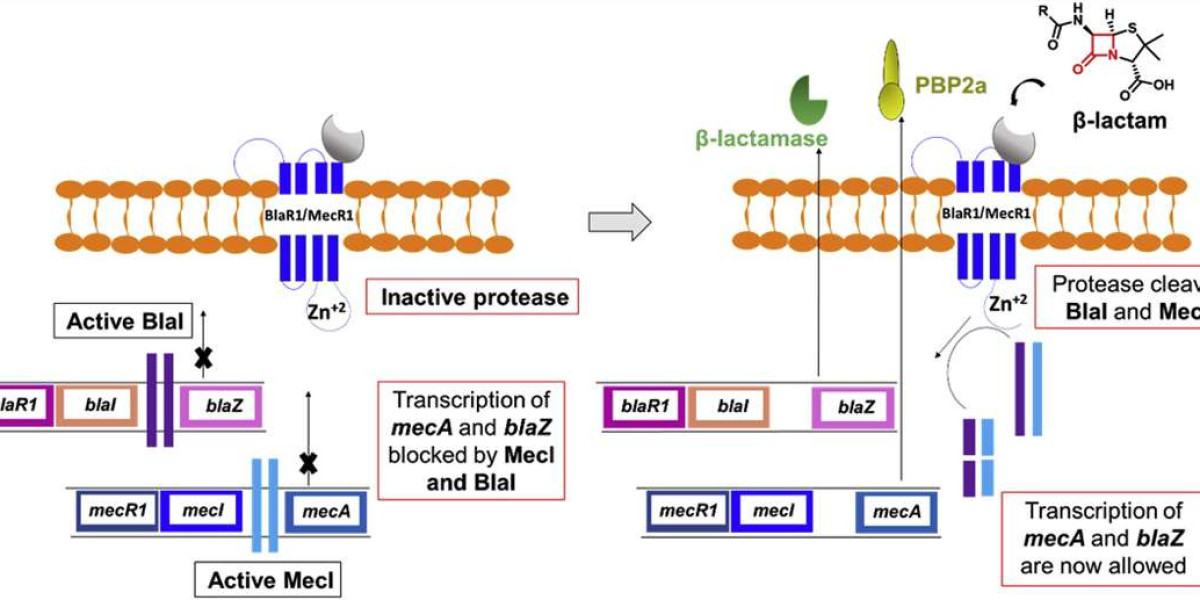
Despite its strong antibacterial potency, ceftazidime is susceptible to hydrolysis by multiple β-lactamases, including ESBLs and AmpC enzymes. This limitation has driven extensive research into β-lactam/β-lactamase inhibitor combinations, most notably ceftazidime–avibactam (CZA).
From a chemical and pharmaceutical R&D perspective, ceftazidime serves as:
- A parent scaffold for studying resistance pathways
- A control compound in β-lactamase inhibition assays
- A benchmark molecule for evaluating novel inhibitor efficacy
What Are the Advantages and Limitations of Ceftazidime as a Research Compound?
| Advantages |
|
| Limitations |
|
These features make ceftazidime an ideal reference compound, rather than a universal antibacterial agent, in laboratory research.
Why Choose Alfa Chemistry for Ceftazidime Supply?
Alfa Chemistry provides high-purity, research-grade ceftazidime to support a wide range of scientific applications, including:
- Antibacterial mechanism studies
- Analytical method development (HPLC, LC-MS)
- Pharmaceutical formulation research
- Drug resistance and enzyme inhibition assays
All products are supplied exclusively for research use, with strict quality control and documentation to meet the demands of academic institutions, biotech companies, and pharmaceutical R&D laboratories.
Conclusion
Ceftazidime remains one of the most scientifically important third-generation cephalosporins, not only because of its potent anti-pseudomonal activity, but also due to its pivotal role in β-lactam resistance research and combination therapy development. As antimicrobial resistance continues to challenge modern medicine, ceftazidime provides a robust and well-defined molecular framework for advancing antibacterial science.






