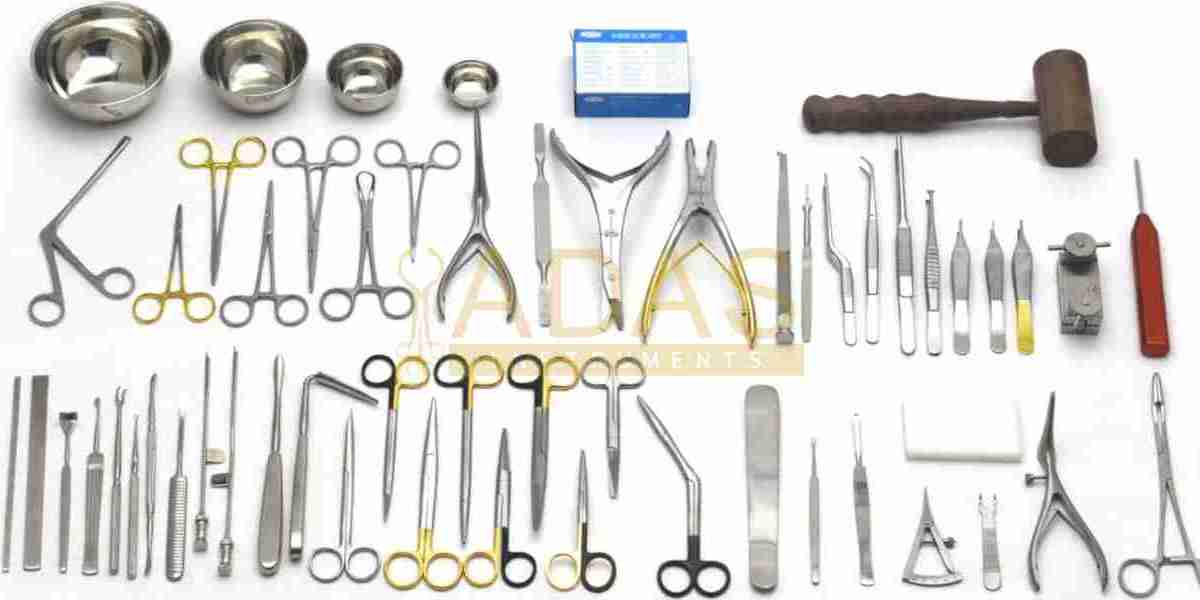

Plastic surgery has evolved into one of the most advanced fields of modern medicine, combining surgical expertise with innovative techniques to restore function, improve appearance, and enhance patient confidence. Whether performing reconstructive procedures after trauma or cosmetic enhancements for aesthetic goals, surgeons rely on specialized plastic surgery instruments to achieve accurate, safe, and predictable results.
Every incision, tissue dissection, and suture requires precision. The quality and design of surgical instruments play a significant role in helping surgeons perform delicate procedures while minimizing tissue trauma and supporting faster recovery. As surgical technology continues to advance, plastic surgery instruments are becoming increasingly refined to meet the demands of minimally invasive techniques and complex reconstructive procedures.
This article explores the importance of plastic surgery instruments, their common types, applications, essential features, and factors to consider when selecting high-quality surgical tools.
What Are Plastic Surgery Instruments?
Plastic surgery instruments are specialized medical tools designed for reconstructive and cosmetic surgical procedures involving the skin, soft tissues, cartilage, and facial structures. Unlike standard surgical instruments, they are engineered for delicate tissue handling and precise surgical control.
Plastic surgeons use these instruments in hospitals, ambulatory surgery centers, aesthetic clinics, and reconstructive surgery departments to perform procedures ranging from facial rejuvenation and breast reconstruction to skin grafting and microsurgery.
Why High-Quality Plastic Surgery Instruments Matter
Plastic surgery often involves working with highly visible areas of the body where precision directly affects both function and appearance. Reliable instruments help surgeons maintain complete control throughout the procedure while reducing unnecessary tissue damage.
Benefits of premium plastic surgery instruments include:
Greater surgical precision
Reduced tissue trauma
Improved wound healing
Better cosmetic outcomes
Enhanced patient safety
Increased surgeon comfort
Reliable long-term performance
Efficient surgical workflow
Well-crafted instruments also contribute to shorter operating times and greater consistency across procedures.
Common Types of Plastic Surgery Instruments
Plastic surgery requires a wide variety of specialized instruments designed for different stages of a procedure.
Surgical Scalpels
Scalpels create clean and accurate incisions while preserving surrounding tissues. Various blade sizes are selected depending on the surgical site and technique.
They are commonly used in facial surgery, skin excisions, body contouring, and reconstructive procedures.
Tissue Forceps
Forceps allow surgeons to grasp delicate tissues without causing excessive trauma.
Popular types include:
Adson Tissue Forceps
Brown-Adson Forceps
Dressing Forceps
Micro Forceps
These instruments provide excellent control during tissue handling and wound closure.
Surgical Scissors
Plastic surgery scissors are designed for fine dissection and precise cutting.
Frequently used scissors include:
Metzenbaum Scissors
Iris Scissors
Stevens Scissors
Tenotomy Scissors
Each design serves a specific purpose based on tissue type and surgical technique.
Needle Holders
Needle holders provide a secure grip during suturing, helping surgeons achieve precise wound closure and minimize visible scarring.
Common examples include:
Mayo-Hegar Needle Holder
Olsen-Hegar Needle Holder
Castroviejo Needle Holder
Retractors
Retractors gently separate tissues and improve visibility throughout surgery.
Common plastic surgery retractors include:
Skin Hooks
Senn Retractors
Joseph Retractors
Self-Retaining Retractors
Proper exposure allows surgeons to operate more accurately and safely.
Elevators
Elevators are used to lift and separate soft tissues from underlying structures during reconstructive and facial procedures.
Examples include:
Freer Elevator
Cottle Elevator
Periosteal Elevators
These instruments are widely used in rhinoplasty, facial reconstruction, and craniofacial surgery.
Liposuction Cannulas
Body contouring procedures rely on specially designed cannulas for fat harvesting and removal.
Cannulas vary in:
Diameter
Length
Tip design
Suction pattern
Different configurations allow surgeons to tailor treatment according to the patient's anatomy and surgical objectives.
Applications of Plastic Surgery Instruments
Plastic surgery instruments are used in a broad range of reconstructive and cosmetic procedures.
Facial Plastic Surgery
Procedures include:
Facelift
Eyelid surgery
Brow lift
Chin augmentation
Facial reconstruction
Precision instruments help preserve delicate nerves and facial structures while delivering natural-looking results.
Rhinoplasty
Nasal surgery requires highly specialized instruments such as:
Nasal speculums
Osteotomes
Rasps
Elevators
Fine scissors
These tools support accurate reshaping of cartilage and bone.
Breast Surgery
Plastic surgeons use dedicated instruments during:
Breast augmentation
Breast reduction
Breast reconstruction
Mastopexy
Specialized retractors, dissectors, and implant instruments improve surgical efficiency and precision.
Body Contouring
Procedures such as liposuction, tummy tuck, and arm lift rely on carefully designed instruments that facilitate safe tissue removal and contouring.
Reconstructive Surgery
Plastic surgery instruments are also essential in reconstructive procedures following trauma, burns, congenital abnormalities, or cancer treatment.
Microsurgical instruments enable delicate tissue repair and complex reconstructive techniques.
Materials Used in Plastic Surgery Instruments
Premium plastic surgery instruments are typically manufactured from medical-grade stainless steel, known for its strength, corrosion resistance, and durability.
Benefits include:
Excellent resistance to rust and staining
Long service life
Smooth polished surfaces
High structural strength
Compatibility with repeated sterilization
Some microsurgical instruments incorporate titanium to reduce weight and improve surgeon comfort during lengthy operations.
Features to Consider When Choosing Plastic Surgery Instruments
Selecting the right instruments is essential for maintaining surgical quality and efficiency.
Important features include:
Precision Engineering
Accurate alignment, smooth joints, and finely finished tips ensure reliable performance.
Ergonomic Design
Comfortable handles reduce hand fatigue and improve instrument control.
Durability
High-quality instruments maintain their performance even after repeated sterilization cycles.
Corrosion Resistance
Medical-grade materials resist moisture, chemicals, and frequent cleaning.
Easy Sterilization
Smooth surfaces simplify cleaning and support effective infection control.
Consistent Performance
Reliable instruments help surgeons achieve predictable outcomes across a wide variety of procedures.
Sterilization and Instrument Care
Maintaining sterile instruments is essential for patient safety and extending instrument lifespan.
Best practices include:
Cleaning immediately after surgery
Removing biological debris thoroughly
Ultrasonic cleaning when appropriate
Steam autoclave sterilization
Routine inspection for wear or damage
Proper storage in sterile instrument trays
Following manufacturer guidelines helps preserve precision and reliability over time.
Choosing a Reliable Plastic Surgery Instrument Manufacturer
Healthcare providers should partner with manufacturers known for quality, consistency, and innovation.
A trusted supplier should offer:
Medical-grade stainless steel instruments
Advanced manufacturing technology
Strict quality control processes
International quality certifications
Comprehensive product selection
OEM and private-label manufacturing services
Responsive customer support
Reliable global distribution
Choosing a reputable manufacturer ensures dependable instruments that meet the demands of modern plastic surgery.
The Future of Plastic Surgery Instruments
As plastic surgery techniques continue to evolve, surgical instruments are becoming lighter, more ergonomic, and increasingly specialized. Advancements in microsurgical technology, minimally invasive procedures, and regenerative medicine are driving the development of instruments that improve precision while reducing tissue trauma.
Future innovations may include smart surgical instruments, robotic-assisted systems, enhanced ergonomic designs, and advanced materials that further support surgeon performance and patient outcomes.
Conclusion
Plastic surgery instruments are the foundation of safe, precise, and successful reconstructive and cosmetic procedures. From tissue handling and dissection to suturing and reconstruction, these specialized tools enable surgeons to deliver outstanding clinical and aesthetic results.
Investing in high-quality plastic surgery instruments benefits both healthcare professionals and patients by improving surgical efficiency, reducing complications, and supporting excellent long-term outcomes. As the demand for advanced cosmetic and reconstructive procedures continues to grow, precision-engineered surgical instruments will remain indispensable in modern plastic surgery.








