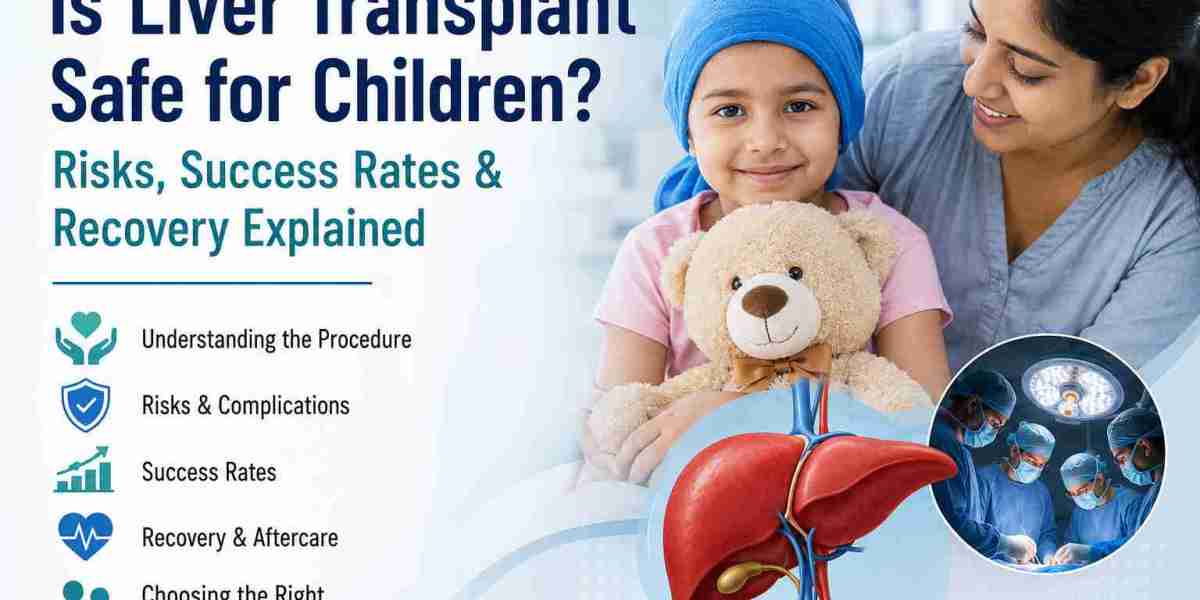

Every parent wants to protect their child from pain and illness. So, hearing that your child may need a liver transplant can feel overwhelming. Questions like "Will my child survive?", "Is liver transplant really safe?", and "What happens after surgery?" naturally come to mind.
The good news is that pediatric liver transplantation has advanced tremendously over the past few decades. Today, it is considered one of the most successful life-saving procedures for children with severe liver disease. Thanks to improved surgical techniques, better medicines, and experienced transplant teams, thousands of children worldwide live healthy, active lives after receiving a liver transplant.
Think of a damaged liver like the engine of a car. If the engine completely fails, replacing it gives the car a fresh start. Similarly, a liver transplant replaces the failing liver with a healthy one, allowing the child's body to function normally again.
Choosing the best liver transplant surgeon in india and an experienced pediatric transplant center plays a significant role in ensuring the best possible outcomes.
1. Understanding Pediatric Liver Transplants
A pediatric liver transplant is a life-saving surgery in which a child's damaged or failing liver is replaced with a healthy liver from a donor. It is recommended when the liver is no longer able to perform its vital functions and other treatments are no longer effective.
A donor liver can come from:
- A living donor, usually a parent or close family member
- A deceased donor who has donated organs after death
One of the most remarkable features of the liver is its ability to regenerate. Even if only a portion of a healthy liver is transplanted, it can grow to an appropriate size in both the child and the donor within a few weeks. This unique ability makes living donor liver transplantation a highly successful option for many children.
2. Conditions That May Require a Pediatric Liver Transplant
The liver performs hundreds of essential functions, including removing toxins, producing proteins, and aiding digestion. When it stops working properly, a liver transplant may become the only treatment option.
Some of the most common conditions include:
Biliary Atresia
The leading cause of liver transplantation in children. In this condition, the bile ducts are absent or blocked, causing bile to build up and damage the liver.
Acute Liver Failure
Certain viral infections, medications, toxins, or rare diseases can suddenly cause severe liver damage that requires emergency transplantation.
Metabolic Liver Diseases
Inherited disorders can prevent the liver from processing certain substances correctly. Examples include:
- Wilson Disease
- Tyrosinemia
- Alpha-1 Antitrypsin Deficiency
Genetic Liver Disorders
Some inherited conditions gradually damage the liver from infancy or early childhood.
Liver Tumors
Children diagnosed with certain liver cancers may benefit from a liver transplant if they meet the recommended criteria.
Advanced Cirrhosis
Progressive scarring of the liver can eventually lead to liver failure, making transplantation necessary.
3. Is Liver Transplant Safe for Children?
Yes. Pediatric liver transplantation is considered one of the safest and most successful organ transplant procedures available today.
Medical advancements over the past few decades have dramatically improved both safety and long-term outcomes.
Why Is It Safer Today?
- Advanced surgical techniques
- Modern anesthesia methods
- Specialized Pediatric Intensive Care Units (PICUs)
- Improved infection prevention
- Effective anti-rejection medications
- Experienced pediatric liver transplant surgeons
Children also tend to recover faster than adults because their bodies heal more quickly. Although every surgery carries some risks, the benefits of liver transplantation often far outweigh the risks for children with severe liver disease.
4. Who Qualifies for a Liver Transplant?
Not every child with liver disease requires a transplant. Doctors carefully evaluate each child before making this recommendation.
A liver transplant may be advised if a child has:
- Liver failure
- Advanced liver cirrhosis
- Poor growth due to liver disease
- Frequent hospital admissions
- Persistent jaundice
- Liver cancer that meets transplant criteria
- Significantly reduced quality of life
Pre-Transplant Evaluation
Before surgery, the transplant team performs several tests, including:
- Blood tests
- Liver imaging scans
- Heart evaluation
- Kidney function tests
- Infection screening
- Nutritional assessment
Only after a complete evaluation does the transplant team determine whether the child is healthy enough for surgery.
5. How Is the Surgery Performed?
Pediatric liver transplant surgery typically takes 6 to 12 hours, depending on the complexity of the case.
Step 1: Removing the Diseased Liver
The surgeon carefully removes the damaged liver while preserving important blood vessels.
Step 2: Implanting the Donor Liver
The healthy donor liver is placed inside the child's abdomen.
Step 3: Reconnecting Blood Vessels
The surgeon reconnects:
- Hepatic artery
- Portal vein
- Hepatic veins
This restores normal blood circulation.
Step 4: Reconnecting the Bile Duct
The bile duct is attached to allow normal bile flow.
Before completing the procedure, the surgical team carefully checks that the new liver has healthy blood flow and is functioning properly.
6. Living Donor vs. Deceased Donor Liver Transplant
Living Donor Liver Transplant
A living donor transplant involves removing a portion of a healthy person's liver, usually from a parent.
Advantages
- Shorter waiting time
- Surgery can be scheduled in advance
- Healthy donor organ
- Often better transplant outcomes
Another major benefit is that both the donor's liver and the child's transplanted liver regenerate naturally within a few weeks.
Deceased Donor Liver Transplant
In this procedure, the liver comes from a person who has donated organs after death.
Advantages
- No family member undergoes surgery
- A whole liver may be available when suitable
Limitations
- Longer waiting periods
- Availability depends on organ donation
7. Risks and Possible Complications
Although pediatric liver transplantation is highly successful, parents should understand the possible complications.
Bleeding
As with any major surgery, there is a risk of bleeding during or after the operation.
Infection
Children take medicines that suppress the immune system, increasing the risk of infections.
Organ Rejection
The body's immune system may recognize the new liver as foreign and try to reject it.
Fortunately, modern anti-rejection medicines effectively control most rejection episodes.
Blood Clots
Rarely, blood vessels supplying the liver can become blocked.
Bile Leakage
Leakage from the bile duct may require additional treatment or surgery.
Medication Side Effects
Long-term immunosuppressive medicines may cause:
- High blood pressure
- Kidney problems
- Diabetes
- Weight gain
Regular follow-up visits help doctors detect and manage these side effects early.
8. Success Rates of Pediatric Liver Transplant
Thanks to continuous medical advances, pediatric liver transplant outcomes have improved significantly.
| Time After Surgery | Approximate Survival Rate |
|---|---|
| 1 Year | 90–95% |
| 5 Years | 85–90% |
| 10 Years | 80–85% |
Most children who undergo liver transplantation:
- Grow normally
- Return to school
- Play sports
- Lead healthy, active lives
- Reach adulthood with good quality of life
Early transplantation often leads to better long-term outcomes.
9. Recovery After Liver Transplant
Recovery is a gradual process that takes place in several stages.
Immediately After Surgery
The child is transferred to the Pediatric Intensive Care Unit (PICU) for close monitoring.
Doctors continuously monitor:
- Heart function
- Liver function
- Blood pressure
- Breathing
- Blood circulation
Hospital Stay
Most children remain in the hospital for 2 to 4 weeks, depending on their recovery.
During this time, they gradually begin:
- Drinking fluids
- Eating solid foods
- Walking with assistance
- Physical therapy
Recovery at Home
Before discharge, parents receive detailed instructions about:
- Medicines
- Nutrition
- Personal hygiene
- Follow-up appointments
Most children can return to school within 2 to 3 months, depending on their overall recovery.
10. Long-Term Life After Surgery
One of the biggest concerns for parents is whether their child can enjoy a normal life after transplantation.
The answer is encouraging.
Most children eventually experience:
- Normal growth and development
- Improved appetite
- Higher energy levels
- Regular school attendance
- Outdoor activities
- Sports participation
- Healthy social interactions
With proper care, the transplanted liver can function well for many years.
Regular follow-up appointments remain essential for lifelong health.
11. Parents' Role During Recovery
Parents play a vital role in ensuring a successful recovery.
Give Medicines on Time
Never miss anti-rejection medications, as they help prevent organ rejection.
Maintain Good Hygiene
Regular handwashing and proper hygiene reduce the risk of infections.
Attend Follow-Up Appointments
Routine blood tests help doctors ensure the transplanted liver is functioning properly.
Provide a Healthy Diet
A balanced, nutritious diet supports healing and healthy growth.
Encourage Physical Activity
Once approved by the doctor, regular physical activity helps children regain strength and confidence.
Watch for Warning Signs
Contact the transplant team immediately if your child develops:
- Fever
- Yellowing of the skin or eyes
- Vomiting
- Severe abdominal pain
- Dark-colored urine
- Poor appetite
Prompt medical attention can prevent serious complications.
12. How to Choose the Best Liver Transplant Surgeon in India
Choosing an experienced transplant team can significantly improve your child's chances of a successful outcome.
When selecting the best liver transplant surgeon in India, consider the following factors:
Experience
Choose a surgeon who has successfully performed a large number of pediatric liver transplants.
Hospital Infrastructure
Look for hospitals with:
- Dedicated Pediatric ICU
- Advanced transplant operation theatres
- Specialized pediatric liver care
Multidisciplinary Team
An ideal transplant center should include:
- Pediatric hepatologists
- Pediatric anesthesiologists
- Nutritionists
- Infection specialists
- Critical care physicians
- Transplant coordinators
Success Rates
Ask about:
- One-year survival rates
- Long-term transplant outcomes
- Experience with living donor liver transplantation
Comprehensive Follow-Up Care
Excellent long-term care is just as important as the surgery itself. Regular follow-up helps ensure the transplanted liver continues to function well throughout your child's life.
13. Frequently Asked Questions
1. Is a liver transplant painful for children?
No. Children are under general anesthesia during surgery and do not feel pain. After surgery, pain is carefully managed with medications to keep them comfortable.
2. Can a child live a normal life after a liver transplant?
Yes. With proper medication, regular follow-up, and a healthy lifestyle, most children grow normally, attend school, play sports, and enjoy an active life.
3. How long does a transplanted liver last in children?
Many transplanted livers function successfully for decades. Lifelong medical follow-up and adherence to medications are essential for long-term success.
4. Can parents donate part of their liver to their child?
Yes. If a parent is healthy and medically compatible, they may donate a portion of their liver. Both the parent's liver and the transplanted liver typically regenerate within weeks.
5. Why is choosing the best liver transplant surgeon in India so important?
An experienced surgeon, supported by a specialized pediatric transplant team, can improve surgical safety, reduce complications, and increase the chances of long-term success.
14. Final Thoughts
A pediatric liver transplant may seem overwhelming, but it offers hope to children with life-threatening liver disease. Thanks to remarkable advances in medical science, liver transplantation has become a highly successful procedure that gives children a second chance at a healthy, fulfilling life.
Although every major surgery carries some risks, the success rates of pediatric liver transplantation are excellent when performed at experienced transplant centers. Careful evaluation, expert surgical care, dedicated follow-up, and strong family support all play a vital role in achieving the best outcomes.
If your child has advanced liver disease, seeking advice from an experienced pediatric liver transplant team as early as possible can make a life-changing difference. Choosing the best liver transplant surgeon in India ensures access to advanced expertise, world-class facilities, and comprehensive long-term care—giving your child the greatest opportunity to grow, thrive, and enjoy a bright future.