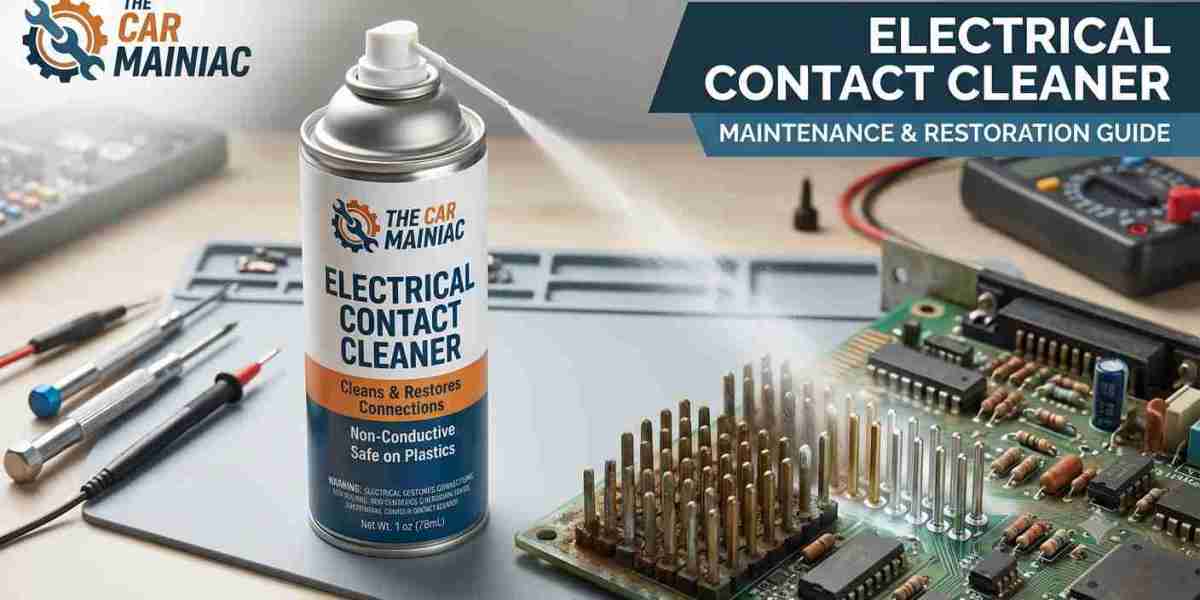

Electrical connections collect dust, dirt, grease, and moisture over time. These contaminants can cause poor performance, overheating, or equipment failure. An electrical contact cleaner is designed to remove these unwanted deposits without leaving residue behind.
In this guide, you'll learn what an electrical contact cleaner is, how to use it safely, common mistakes to avoid, and the best practices for keeping electrical components in excellent condition. Whether you're a DIY enthusiast or an industrial technician, this article will help you clean electrical contacts with confidence.
What Is an Electrical Contact Cleaner?
An electrical contact cleaner is a fast-drying cleaning solution made to remove dust, oil, grease, oxidation, moisture, and other contaminants from electrical contacts and electronic components. Unlike ordinary cleaners, it evaporates quickly and leaves little or no residue.
It is commonly used on:
- Switches
- Circuit boards
- Relays
- Connectors
- Battery terminals
- Sensors
- Electrical panels
- Industrial control equipment
Keeping electrical contacts clean helps improve conductivity and reduces the chances of equipment failure.
Why Is It Important?
Dirty electrical contacts increase electrical resistance. As resistance grows, equipment may:
- Lose efficiency
- Produce excess heat
- Experience signal interruptions
- Stop working completely
Using an electrical contact cleaner regularly helps extend the life of electrical systems while improving reliability and safety.
How to Use an Electrical Contact Cleaner Safely and Effectively
Following the correct process ensures better cleaning results and protects both the equipment and the user.
1. Turn Off the Power First
Firstly, disconnect the equipment from all power sources.
Never spray cleaner onto live electrical equipment. Even though many cleaners are non-conductive, working on energized equipment is dangerous.
Always:
- Switch off power
- Unplug devices
- Disconnect batteries when possible
Safety should always come first.
2. Read the Product Instructions
Different cleaners are designed for different applications.
Before using any electrical contact cleaner, carefully read:
- Safety warnings
- Recommended uses
- Drying time
- Temperature limitations
- Material compatibility
Following the manufacturer's instructions helps prevent damage.
3. Wear Proper Safety Equipment
Although contact cleaners evaporate quickly, they still contain chemicals.
Wear:
- Safety glasses
- Protective gloves
- A face mask if ventilation is poor
Additionally, work in a well-ventilated area to reduce inhalation of fumes.
4. Remove Loose Dust First
Before spraying the cleaner, remove loose dirt using:
- Compressed air
- A soft brush
- A lint-free cloth
This simple step allows the cleaner to reach the electrical contacts more effectively.
5. Apply the Cleaner Correctly
Hold the spray can several inches away from the component.
Apply short, controlled bursts instead of continuous spraying.
Focus only on the dirty electrical contacts.
Avoid soaking the entire device unless the manufacturer specifically recommends it.
6. Let It Dry Completely
Most electrical contact cleaner products dry within a few minutes.
However, drying time depends on:
- Product formula
- Room temperature
- Amount applied
Never reconnect power until every surface is completely dry.
This reduces the risk of electrical short circuits.
7. Test the Equipment
After drying:
- Reconnect the power.
- Turn on the equipment.
- Check for proper operation.
If problems continue, inspect the component for corrosion or physical damage rather than applying excessive cleaner.
Benefits of Using an Electrical Contact Cleaner
Using an electrical contact cleaner offers several important advantages.
Improves Electrical Performance
Clean contacts allow electricity to flow efficiently, improving system performance.
Reduces Equipment Downtime
Regular cleaning prevents unexpected failures and keeps machines operating longer.
Extends Equipment Life
Removing dirt and oxidation helps protect electrical components from premature wear.
Prevents Overheating
Clean electrical connections create less resistance, reducing heat buildup.
Saves Maintenance Costs
Preventive cleaning often costs far less than replacing damaged electrical parts.
Common Mistakes to Avoid
Many users unknowingly reduce cleaning effectiveness by making simple mistakes.
Cleaning Live Equipment
This is one of the biggest safety hazards.
Always disconnect power before cleaning.
Using Household Cleaners
General-purpose cleaners may leave moisture or residue.
Only use products specifically designed as an electrical contact cleaner.
Applying Too Much Cleaner
More cleaner does not mean better cleaning.
Excess liquid may trap contaminants or require longer drying time.
Ignoring Drying Time
Powering equipment before it dries completely can damage sensitive electronics.
Be patient.
Skipping Regular Maintenance
Waiting until equipment fails often leads to expensive repairs.
Instead, include contact cleaning in routine maintenance schedules.
Where to Find More Information
If you'd like to learn more about electrical maintenance and safe cleaning practices, these trusted resources are excellent places to start:
- National Fire Protection Association (NFPA)
- Occupational Safety and Health Administration (OSHA)
- IEEE (Institute of Electrical and Electronics Engineers)
- Manufacturer technical guides from CRC Industries
- Technical documentation from industrial equipment manufacturers
These sources provide up-to-date safety recommendations and maintenance practices.
Tips for Better Results
For the best performance:
- Store cleaners in a cool, dry place.
- Keep spray cans away from heat.
- Use only on compatible materials.
- Clean equipment during scheduled maintenance.
- Replace damaged connectors instead of repeatedly cleaning them.
- Label maintenance dates for future inspections.
Regular preventive care reduces unexpected equipment failures.
Conclusion
An electrical contact cleaner is one of the simplest tools for maintaining electrical systems safely and efficiently. When used correctly, it removes dirt, grease, and oxidation while improving electrical performance and extending equipment life. Always disconnect power, follow the product instructions, and allow the cleaner to dry completely before restoring electricity.
If you're looking for reliable electrical maintenance products, choose high-quality solutions from trusted suppliers. Investing in the right cleaner today can help protect your equipment and reduce costly repairs in the future.
Frequently Asked Questions
1. Can I use electrical contact cleaner on live electrical equipment?
No. Always disconnect the power before using an electrical contact cleaner. This ensures maximum safety and prevents accidents.
2. How often should I use electrical contact cleaner?
It depends on the environment. Industrial equipment may need cleaning every few months, while household electronics usually require less frequent maintenance.
3. Does electrical contact cleaner remove corrosion?
It removes light oxidation and contaminants. Heavy corrosion may require specialized cleaning tools or replacement of the affected component.
4. Is electrical contact cleaner safe for electronics?
Yes, when used according to the manufacturer's instructions. Always verify that the cleaner is suitable for electronic components before use.
5. Can I use WD-40 instead of electrical contact cleaner?
Standard WD-40 is not a substitute because it leaves a protective film. Use a dedicated electrical contact cleaner for cleaning electrical and electronic contacts, unless you are using a WD-40 product specifically formulated as a contact cleaner.








