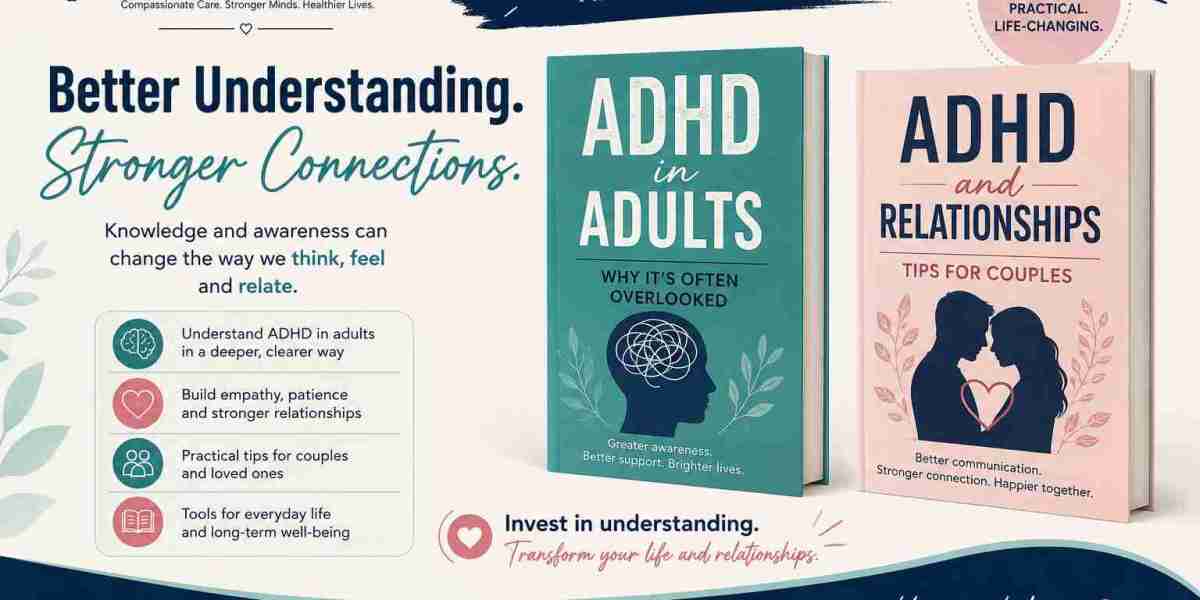

Many adults suffer with ADHD for years without even realizing that they have it, as the symptoms of the condition in adulthood are different. Adults may not have any of the obvious symptoms of hyperactivity, but rather may find themselves to be disorganized, forgetful, unable to prioritize, poor time management, and emotionally overwhelmed. Sometimes these difficulties are thought to be signs of stress, anxiety, or depression, and are not diagnosed in time. An evaluation by a professional can help identify if ADHD is causing persistent problems at work, at home or in relationships.
ADHD in Women
The symptoms of ADHD are more likely to be inattention than hyperactivity, making it more common for women to be underdiagnosed. Persistent day dreaming, forgetfulness, inability to manage daily activities, sensitivity to emotions, mental exhaustion, are some of the symptoms that many women face. The symptoms are frequently blamed on anxiety, hormonal fluctuations or personality characteristics, not on ADHD. As the awareness spreads, more women are getting proper diagnosis later in life and are benefiting.
How to Support Students with ADHD at School
Many people don't want to get help for ADHD because of the misconceptions they have.
Myth: ADHD is just a condition that affects children.
Fact: Even though symptoms may alter with time, ADHD tends to persist into adulthood.
Myth: There is nothing wrong with people who have ADHD.
Fact: Executive functioning is also affected with ADHD – planning, organizing and maintaining attention more difficult.
Myth: Everyone who has ADHD is hyperactive.
Fact: Inattentive symptoms (rather than hyperactivity) are the most common symptoms experienced by many, particularly adults and females.
Managing Emotions and Stress
While hyperactivity and/or difficulty sustaining attention are the core symptoms of ADHD, many people also find that they have trouble regulating their emotions. Small irritations might seem overwhelming, criticism might be harder to deal with, and mood swings might be stronger than usual. Therapy, coaching, or structured coping skills can help teach strategies for emotional regulation that can greatly help with daily functioning and relationships.
Treatment for ADHD
There is no blood test or brain scan to confirm ADHA. Diagnosis is a thorough clinical evaluation, which includes examining symptoms, medical history, childhood behaviors and how the difficulties apply to work, school and personal life. Standardized questionnaires may also be used by healthcare workers and information may be taken from family, where appropriate. An accurate assessment will help determine if ADHD is a diagnosis or anxiety or depression.
Is a successful treatment for ADHD possible?
ADHD is not a disease that can be cured, but it can be treated with a special treatment plan. A number of people find that a combination of medication, cognitive behavioral therapy (CBT), ADHD coaching, lifestyle changes and practical organizational strategies is helpful. Other measures that can minimize the effects of symptoms and enhance quality of life include regular physical activity, quality sleep, daily routines, and planning with digital aids.
If the problem persists, it's time to call in the professionals.
If you feel symptoms are impacting your life, it might be time for a diagnosis for ADHD. Some signs are chronic disorganization, frequent forgetting, trouble completing projects or tasks on time, ongoing procrastination, work problems, or constant interpersonal issues. Early diagnosis and treatment can have a positive impact on productivity, confidence and emotional health. The experienced health professionals at Mental Health Clinic offer comprehensive assessment and treatment for ADHD, offering tailored plans for each individual's needs. If you are newly diagnosed or just a second opinion, we will help you understand what is happening and offer you a plan for success.
________________________________________
FAQs
Is ADHD a disorder that can be acquired as an adult?
No, ADHD starts in childhood, but symptoms get masked or mild, and/or the diagnosis is not made until adulthood.
Is ADHD hereditary?
It has been suggested that the causes of ADHD, in part, are genetic, meaning that the condition is more likely to run in families. There is also evidence of the influence of environmental factors on the severity of symptoms.
Is it possible for ADHD to impact relationships?
Yes. Communication issues, forgetfulness, impulsiveness, and problems with home responsibilities are potential areas of difficulty associated with ADHD. Many couples develop healthy and successful relationships with understanding, effective communication and proper treatment.
Is ADHD and anxiety a thing?
Yes. Anxiety and depression often co-occur with ADHD. It is important to conduct a comprehensive evaluation to determine if all contributing factors are identified and treated.
Are there ways to treat ADHD and see an improvement in symptoms?
Yes. For many people, taking medication, therapy, coaching, and leading a healthy lifestyle help them significantly improve their attention, organization, emotional control, and functioning.