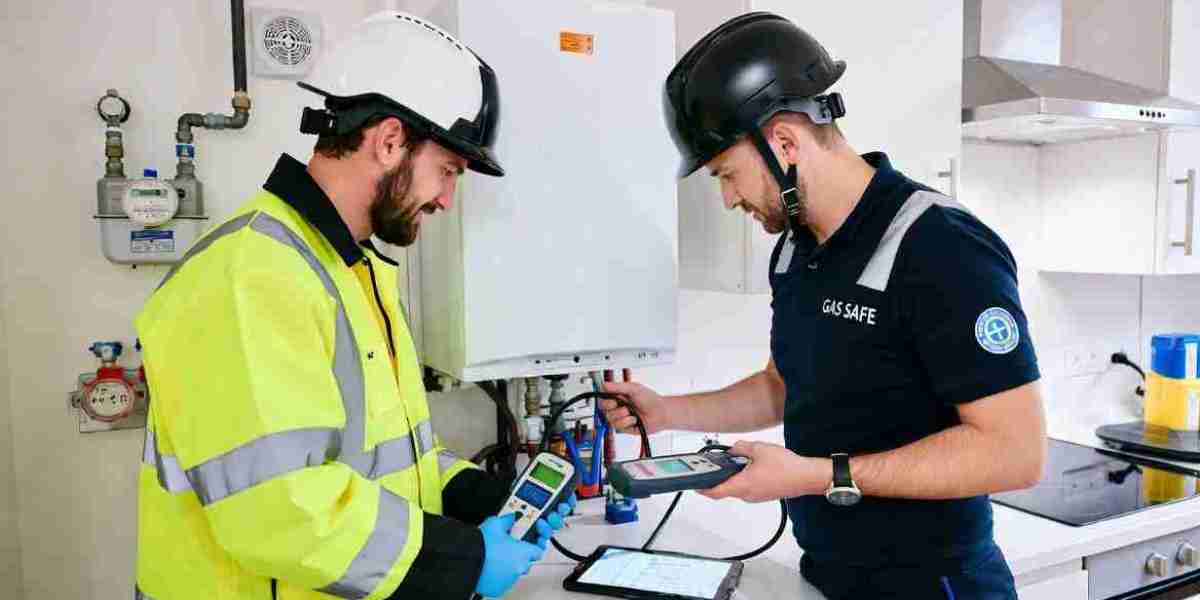

Gas safety is an important responsibility for homeowners, landlords and businesses across the UK. A Gas Safe Certificate confirms that gas appliances, pipework and flues have been inspected by a qualified Gas Safe registered engineer and are safe to use. Whether you own a property, rent one out or are buying a new home, understanding the purpose of a Gas Safe Certificate can help you stay compliant and protect everyone living or working in the building.
This guide explains what a Gas Safe Certificate is, when it is required and why it plays an important role in property safety.
What Is a Gas Safe Certificate?
A Gas Safe Certificate is an official document issued after a gas safety inspection has been completed by a Gas Safe registered engineer. The inspection checks that gas appliances and related installations are working safely and meet current safety standards.
The certificate records the condition of the gas system at the time of the inspection and highlights any faults that require attention.
Why Is a Gas Safe Certificate Important?
Gas appliances that are poorly maintained or incorrectly installed can present serious safety risks. Regular inspections help identify problems before they become dangerous.
Some of the main benefits include:
Helping protect occupants from gas-related hazards
Confirming gas appliances are operating safely
Identifying faults or defects
Supporting compliance with UK regulations
Providing reassurance for homeowners and tenants
Helping maintain property safety
Regular inspections are an important part of responsible property maintenance.
Who Needs a Gas Safe Certificate?
A Gas Safe Certificate may be required for:
Landlords renting residential properties
Homeowners arranging gas safety inspections
Property managers
Letting agents
Commercial property owners with gas installations
For landlords, annual gas safety checks are a legal requirement for rented properties that have gas appliances.
What Does a Gas Safety Inspection Include?
During the inspection, a Gas Safe registered engineer will examine various parts of the gas installation.
This typically includes:
Gas boiler
Gas fire
Gas cooker or hob
Pipework
Flues
Ventilation
Safety devices
Gas pressure and appliance performance
The engineer checks that each appliance is operating safely and efficiently.
What Information Is Included on the Certificate?
A Gas Safe Certificate generally contains:
Property address
Date of inspection
Details of the gas appliances inspected
Results of the safety checks
Any faults identified
Recommendations for remedial work
Engineer's name and Gas Safe registration number
This information provides a clear record of the inspection.
How Often Should a Gas Safety Check Be Carried Out?
The recommended inspection interval depends on the property.
Typical guidance includes:
Landlords: Every 12 months for rented properties.
Homeowners: Regular servicing is recommended, especially for boilers and gas appliances, even though annual certificates are not always legally required.
Routine inspections help ensure gas appliances continue to operate safely.
What Happens If a Fault Is Found?
If the engineer identifies a problem during the inspection, they will explain the issue and recommend the appropriate action.
Depending on the severity of the fault, they may recommend:
Repairing the appliance
Replacing faulty components
Servicing the appliance
Disconnecting unsafe equipment until repairs are completed
Addressing faults promptly helps reduce potential safety risks.
How to Prepare for a Gas Safety Inspection
Before the engineer arrives:
Ensure access to all gas appliances.
Clear any obstructions around the boiler or meter.
Inform the engineer of any known gas issues.
Keep previous service records available if possible.
Make sure someone is present during the inspection if required.
Preparing in advance can help the inspection run smoothly.
Choosing a Qualified Gas Safe Engineer
When arranging a gas safety inspection, always choose an engineer who is registered with the Gas Safe Register.
You should also consider:
Experience with your type of property
Transparent pricing
Professional customer service
Clear written reports
Positive customer reviews
Using a qualified engineer helps ensure the inspection is carried out safely and in accordance with UK regulations.
Tips for Maintaining Gas Safety
In addition to regular inspections, you can help keep your property safe by:
Servicing gas appliances regularly
Keeping ventilation areas clear
Checking for unusual smells or appliance faults
Installing and testing carbon monoxide alarms
Reporting suspected gas leaks immediately
Never attempting DIY gas repairs
These simple steps can help reduce the risk of gas-related incidents.
Final Thoughts
A Gas Safe Certificate is an essential part of maintaining a safe property in the UK. It confirms that gas appliances and installations have been inspected by a qualified Gas Safe registered engineer and helps identify any issues that could affect safety.
Whether you are a homeowner, landlord or property manager, arranging regular gas safety inspections helps protect occupants, supports legal compliance and provides peace of mind that your property's gas system is operating safely.