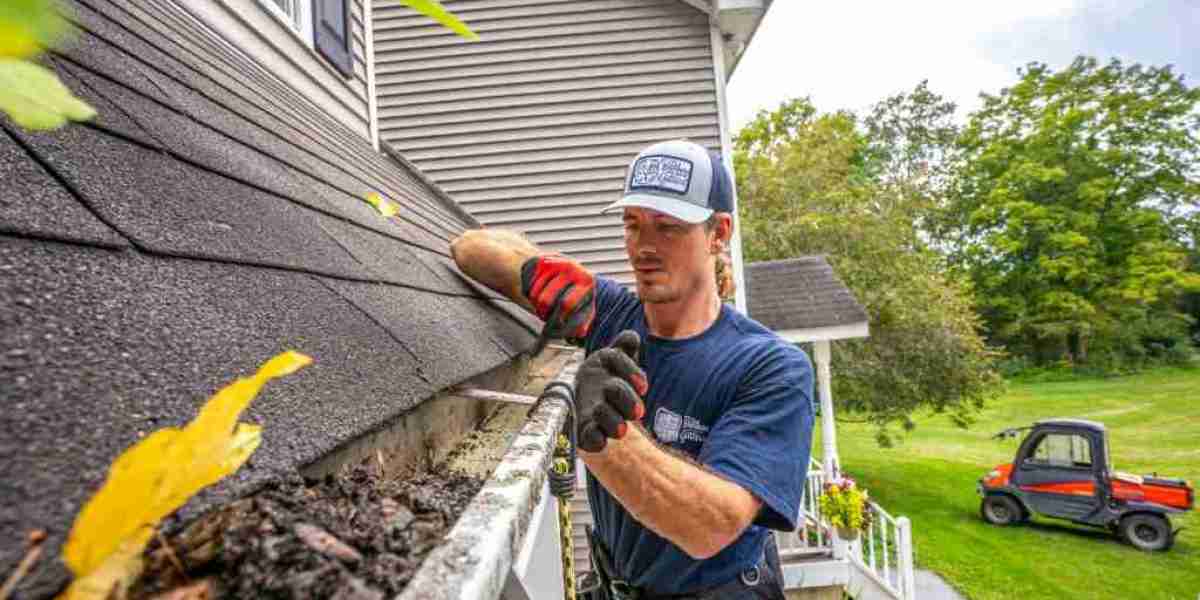

How to Choose Between Gutter Guards vs Regular Gutter Cleaning Before the Rainy Season
Choosing between gutter guards vs regular gutter cleaning depends on how often your gutters clog, how much tree debris reaches your roof, how safely the gutters can be accessed, and whether your current system drains properly. Gutter guards can reduce how often gutters need cleaning, but they do not remove the need for inspection or maintenance.
Regular cleaning is still the better choice when the gutter system is damaged, poorly sloped, or only collects light seasonal debris. The right decision should be based on your home’s real drainage pattern before the rainy season begins.
Choose regular gutter cleaning if your gutters only collect moderate debris and are easy to maintain safely. Consider gutter guard installation if your gutters clog repeatedly, sit under trees, or require risky ladder access several times a year.
The goal is not to pick the most expensive option. The goal is to make sure rainwater can move from the roof, through the gutters, into the downspouts, and away from the home.
Why This Decision Matters Before the Rainy Season
Gutters and downspouts protect your home by directing roof runoff away from the foundation and basement areas. MMSD notes that properly working gutters and downspouts move large amounts of rainfall away from the home, while clogged or poorly sloped systems can contribute to water problems.
That is why the rainy season is not the time to guess. If the system is already clogged, sagging, or overflowing, heavy rain will usually expose the problem quickly.
A clear comparison of gutter guards vs regular gutter cleaning helps homeowners make a practical choice before the first major storm.
When Regular Gutter Cleaning Is the Better Choice
Your Gutters Only Clog Seasonally
If your gutters mainly fill after fall leaves, spring debris, or a few windy storms, regular cleaning may be enough. You may not need a full guard system if debris does not return quickly.
MMSD recommends cleaning gutters and downspouts several times per year and checking that the gutter slope runs toward the downspout.
Your System Needs Repair First
Do not install guards over a gutter system that already has problems. If the gutter sags, leaks, pulls away from the fascia, or holds standing water, cleaning or repair should come first.
A guard cannot fix poor slope, loose brackets, broken seams, or an undersized drainage setup.
Your Home Has Light Debris Exposure
Homes without heavy tree cover may not need guards. If the gutters stay mostly clear between seasonal cleanings, a scheduled maintenance plan may be more cost-effective than installing a protective system.
When Gutter Guards Are Worth Considering
Debris Comes Back Too Quickly
If gutters are cleaned and then filled again after the next windstorm, the issue may be repeated exposure rather than poor maintenance.
This is where gutter guard installation can make sense. Fairfax County’s soil and water conservation guidance notes that gutter guards can help reduce how often gutter cleaning is needed, especially where debris is a repeated issue.
Access Is Difficult or Unsafe
Second-story gutters, steep ground, landscaping obstacles, or awkward rooflines can make every cleaning more difficult. Guards may reduce the number of major cleanouts needed.
They are not a safety cure-all, but they can make maintenance more manageable when access is a recurring concern.
You Want Easier Rainy-Season Preparation
A guard system can help limit leaves and larger debris from entering the gutter before storms arrive. That can make your pre-rainy-season routine more focused: inspect the guards, clear surface debris, check downspouts, and confirm water is flowing properly.
Gutter Guards vs Regular Gutter Cleaning: A Practical Comparison
Decision Factor | Regular Gutter Cleaning | Gutter Guards |
Upfront cost | Lower | Higher because installation is required |
Ongoing maintenance | Needed seasonally or more often | Still needed, but often less frequent |
Best for | Light to moderate debris | Heavy or recurring debris |
Main limitation | Debris can return quickly | Guards can still collect debris on top |
Repair problems | Can reveal issues | Should not cover existing issues |
Rainy-season value | Clears the system before storms | Helps reduce future debris entry |
What to Check Before Choosing Either Option
1. Watch Where Water Overflows
If water spills near one downspout, the issue may be a blockage. If it spills across multiple sections, the gutter may be undersized, poorly sloped, or overloaded by roof runoff.
Fairfax County notes that if gutters appear clean but still spill over during normal storms, an undersized gutter system may be involved.
2. Check Downspout Discharge
The system should not only move water off the roof. It should release that water away from the home.
Downspout extensions can help direct water farther from the foundation, and MMSD recommends extensions of 6–10 feet where appropriate.
3. Look at Nearby Trees and Roof Valleys
Overhanging trees, pine needles, seed pods, and roof valleys can all send more debris into the gutter. The heavier the debris load, the more useful guards may become.
Ask These Questions
Do gutters refill quickly after cleaning?
Is the system difficult to access safely?
Do downspouts drain properly?
Are there existing leaks, sags, or slope problems?
Is debris mostly leaves, pine needles, roof grit, or mixed material?
These answers choose between gutter guards vs regular gutter cleaning much more clearly.
Why Guards Still Need Maintenance
A common mistake is thinking guards make gutters maintenance-free. They do not.
Leaves, pine needles, roof grit, and small debris can collect on top of some guard systems. Water can also overshoot the gutter if the guard is covered or if heavy runoff arrives too quickly.
After gutter guard installation, homeowners should still inspect the roofline before rainy weather, confirm downspout flow, and clear visible surface buildup when needed.
Final Thoughts
The best choice between gutter guards vs regular gutter cleaning depends on the condition of your gutter system, the amount of debris your roof collects, and how safely the gutters can be maintained before rainy weather.
Regular cleaning is often enough for homes with manageable debris and easy access. Guards are worth considering when clogs return quickly, cleaning is risky, or you want a more proactive gutter protection plan. Either way, the goal is the same: clear water flow before the rainy season starts.
About the Author
The author is an exterior property-care professional with practical experience in gutter cleaning, gutter protection, seasonal maintenance, and safe service planning. Their work helps homeowners compare maintenance options clearly, prepare for rainy weather, and make informed property-care decisions based on real drainage conditions.
Frequently Asked Questions
Are gutter guards better than regular gutter cleaning?
Gutter guards are better when debris returns quickly or cleaning access is difficult. Regular cleaning is enough when debris is light and the system drains properly.
Do gutter guards completely stop the need for cleaning?
No. Gutter guards reduce debris entering the gutter, but leaves, pine needles, and roof grit can still collect on top and need periodic maintenance.
When should I choose regular gutter cleaning instead of guards?
Choose regular cleaning if your gutters only clog seasonally, are easy to access, and do not overflow after cleaning. It is usually the simpler option for low-debris homes.
Is gutter guard installation worth it before rainy season?
Yes, if your gutters clog repeatedly before storms or sit under trees. Guards can reduce debris buildup, but the system still needs inspection before heavy rain.
Can gutter guards cause overflowing gutters?
They can if debris builds up on top of the guard and blocks water from entering the gutter. Poor installation or heavy roof runoff can also create overflow issues.
What should I check before installing gutter guards?
Check gutter slope, downspout flow, leaks, sagging sections, and existing debris problems first. Gutter guard installation should not cover a gutter system that already needs repair.






