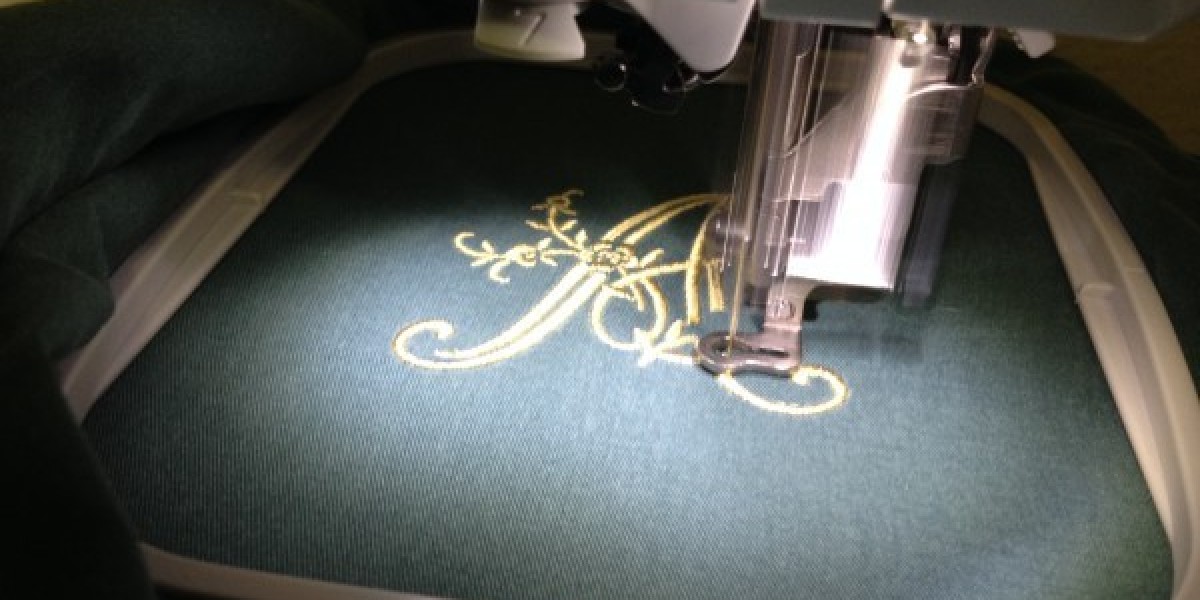

Introduction: The Difference Between Good and Great Embroidery
You have seen it before. Two shirts hanging side by side. Both have the same logo. One looks crisp, professional, and expensive. The other looks blurry, uneven, and cheap. The difference is not the machine. It is not the thread. It is the digitizing.
A well-digitized file produces embroidery that pops. Edges are clean. Details are sharp. Colors transition smoothly. The design looks like it belongs on the garment, not like an afterthought. A poorly digitized file gives you puckered fabric, thread gaps, and logos that look like they were sewn by a drunken robot.
That is why choosing the right Embroidery Digitizing Services matters so much. The best service does not just convert your artwork. They refine it, optimize it, and prepare it for the physical realities of stitching. They turn a flat image into a dimensional piece of art that represents your brand with pride.
Let me walk you through what clean, sharp, and professional results actually look like and how the right digitizing delivers them every time.
What Clean Embroidery Actually Means
Clean embroidery starts with proper stitch placement. Every stitch lands exactly where it should. No wandering. No drifting. No gaps between sections.
Clean also means no loose threads hanging off the back. No messy jump stitches dragging across the surface. No thread tails poking through where they should not be.
A clean design has underlay that is fully covered by top stitches. You do not see the foundation layer peeking through. The fabric lays flat underneath because pull compensation was calculated correctly. There are no wrinkles or puckers around the design.
Clean embroidery feels smooth to the touch. Not stiff like cardboard. Not lumpy like a poorly made quilt. Just smooth, flexible thread that moves with the fabric.
How does a digitizer achieve that? By balancing stitch density, underlay, and pull compensation for your specific fabric and design. By placing trims exactly where they are needed and not where they are not. By sequencing the design so every element supports the ones around it.
Clean embroidery does not happen by accident. It happens because a digitizer planned every stitch.
Sharp Details That Make Your Logo Stand Out
Sharp details are what separate professional embroidery from amateur work. Sharp corners stay sharp. Sharp points do not round off into blobs. Sharp letters remain readable even at small sizes.
For sharp details, stitch angles matter enormously. A satin stitch on a letter needs to run perpendicular to the stroke direction. That keeps the edges crisp. If the angle drifts, the edges feather and the letter loses definition.
For sharp points, like a star or a corporate logo with angled elements, digitizers use specific techniques. They stitch from the base of the point to the tip, not the other way around. That lets the thread lock in at the tip instead of pulling it sideways. Some digitizers add a tiny run stitch outline around sharp points to reinforce them.
For sharp circles, pull compensation is the hero. A circle stitches as an oval if compensation is wrong. The right compensation makes it round. The wrong compensation makes it look like an egg that rolled under the fridge.
I once worked on a logo for a law firm. Their logo had a sharp gavel with a perfectly straight handle and a crisp head. The first digitizer gave them rounded corners and a wobbly handle. The second digitizer understood sharp details. They used separate satin sections for each part of the gavel. They set stitch angles to follow the handle and the head independently. The result was sharp, clean, and exactly matched their corporate identity.
That law firm used that file for five years across hundreds of pieces. Sharp details lasted because they were built into the file from the beginning.
Professional Finishes That Impress Clients
Professional finishes go beyond just looking good. They feel good. They wear well. They hold up to washing and everyday use without falling apart.
A professional finish uses the right density for the fabric. A dense design on a lightweight shirt feels stiff and uncomfortable. A light design on a heavy jacket looks sparse and cheap. Professional digitizers match density to fabric type.
A professional finish also uses the right thread. Not every design needs metallic thread or special effects. Sometimes a standard 40-weight polyester thread in a clean color gives the best results. A good digitizer recommends thread types based on your design and application.
Professional finishes have consistent coverage. No thin spots where the fabric shows through. No thick spots where the thread piles up. Just even, uniform stitching across the entire design.
Professional finishes also register perfectly. The outline aligns with the fill. The text sits exactly where it should within the border. Multiple colors meet seamlessly without gaps or overlaps.
I worked with a boutique brand that sold high-end embroidered bags. Their customers expected perfection. A single loose thread or misaligned letter would ruin the brand experience. We digitized their logo with extreme care. Every satin column got individual attention. Every color change was planned. The final file produced consistent, professional results across hundreds of bags. Their customers never saw a flaw because none existed.
How Expert Digitizing Delivers These Results
Let me walk you through the specific techniques that create clean, sharp, and professional embroidery.
Manual Tracing
Experts trace every element of your logo by hand. No auto-trace. Auto-trace creates jagged nodes that turn into lumpy stitches. Manual tracing keeps curves smooth and corners sharp. Every point is placed with intention.
Stitch Angle Optimization
Each section of your design gets its own stitch angle. Satin letters get perpendicular stitches. Fills get angles that follow the shape's flow. The goal is to make the thread work with the design, not against it.
Precise Pull Compensation
Fabric moves during stitching. Expert digitizers calculate exactly how much each section needs to be oversized so it finishes at the correct size. They apply different compensation to different parts of the design based on density and stitch type.
Strategic Underlay
Underlay goes down first and stabilizes the fabric. Experts choose the right underlay type and density for your specific material. Edge run underlay for satin borders. Zigzag underlay for large fills. Center run underlay for narrow sections.
Intelligent Trims and Jumps
Trims and jumps are managed carefully. Too many trims slow down your machine. Too few trims leave loose threads dragging across the fabric. Experts find the sweet spot that maximizes speed and cleanliness.
Logical Sequencing
The design sews from center outward. Background stitches first, then foreground elements, and outlines last. This sequence keeps fabric tension even and prevents distortion.
The Impact of Clean, Sharp, Professional Embroidery
What does all this mean for your business? It means your customers see your brand at its best. Your logo represents your company every time someone wears your merchandise. A clean, sharp, professional logo reinforces trust and quality. A sloppy logo undermines everything you have built.
Clean embroidery also reduces returns. Customers do not send back garments because the logo looks amazing. They return garments when the stitching is sloppy, the design is misaligned, or the thread is already fraying. Good digitizing prevents those problems before they reach your customers.
Sharp details set you apart from competitors. In a crowded market, small differences matter. A crisp logo on a hat or shirt signals attention to detail. Customers notice. They remember. They come back.
Professional finishes build your reputation. Word spreads when someone compliments a beautifully embroidered jacket. Word also spreads when someone points out a crooked logo. You want to be the first example, not the second.
Choosing a Digitizer for Clean, Sharp, Professional Results
Not every digitizing service delivers the quality you need. Here is how to find one that does.
Ask to see samples. A good digitizer shows you examples of their work. Look for clean edges, sharp details, and consistent coverage.
Send a test logo. Before committing to a large project, send one simple logo. Stitch it on your actual fabric. Judge the results yourself.
Check their process. Ask about manual tracing, pull compensation, underlay, and sequencing. If they cannot explain these terms, they are not experts.
Look for free edits. Even the best digitizers sometimes need to tweak a file. Choose a service that offers free edits until you are happy.
Read reviews from other businesses. Look for feedback about quality, turnaround time, and customer service. Real reviews from real shops carry weight.
Conclusion: Quality Digitizing Is an Investment
Clean, sharp, and professional embroidery does not happen by accident. It happens because a skilled digitizer planned every stitch with care. They traced every curve. They set every angle. They balanced density, compensation, and underlay for your specific fabric and design.
The result is a file that runs clean on the first test. Sharp details that make your logo stand out. Professional finishes that impress your customers and build your brand.
Investing in quality digitizing saves you time, thread, and frustration. It protects your brand identity. It delivers consistent results across every piece you sew.
Your logo represents everything you have built. Give it the digitizing it deserves. Get clean, sharp, and professional results every time.