
Mosquitoes are among the most common and troublesome insects in the world. Their bites can cause itching, irritation, and allergic reactions, while certain species are capable of spreading serious diseases such as malaria, dengue fever, Zika virus, chikungunya, and West Nile virus. Because mosquitoes thrive in both urban and rural environments, effective mosquito control is essential for protecting public health and maintaining a comfortable living space.
Successful mosquito control requires a combination of prevention, habitat management, personal protection, and, when necessary, professional pest control services. By understanding the mosquito life cycle and taking proactive measures, homeowners and communities can significantly reduce mosquito populations and minimize the risk of mosquito-borne diseases.
This comprehensive guide explains everything you need to know about mosquito control, including how mosquitoes breed, effective prevention strategies, treatment options, and long-term management practices.
What Are Mosquitoes?
Mosquitoes are small flying insects belonging to the family Culicidae. There are more than 3,500 mosquito species worldwide, but only a small percentage are responsible for transmitting diseases to humans.
Female mosquitoes require blood to produce eggs, while male mosquitoes feed primarily on nectar from flowers. Mosquitoes locate their hosts by detecting body heat, carbon dioxide, and human scent.
They are most active during dawn and dusk, although some species bite throughout the day.
Why Mosquito Control Is Important
Mosquito control is essential for several reasons:
Reduces the spread of mosquito-borne diseases
Prevents itchy and painful bites
Improves outdoor comfort
Protects children, elderly individuals, and pets
Supports public health
Reduces mosquito breeding around homes
Controlling mosquitoes not only protects your family but also helps reduce mosquito populations in the surrounding community.
Mosquito Life Cycle
Understanding the mosquito life cycle helps in developing effective control strategies.
Egg Stage
Female mosquitoes lay eggs on or near standing water. Depending on the species, eggs may hatch within a few days.
Larva Stage
Mosquito larvae live in water and feed on organic matter and microorganisms. They are commonly known as "wrigglers" because of their movement.
Pupa Stage
The pupal stage is a resting phase before the mosquito becomes an adult.
Adult Stage
Adult mosquitoes emerge from the water and begin flying within a short period. Females soon seek blood meals to reproduce.
The complete life cycle may take as little as one week under warm conditions.
Common Mosquito Breeding Sites
Mosquitoes require standing water to reproduce.
Common breeding locations include:
Bird baths
Flower pots
Rain barrels
Gutters
Old tires
Buckets
Ponds
Pet water bowls
Swimming pool covers
Blocked drains
Construction sites
Decorative fountains with stagnant water
Even a small amount of standing water can support mosquito breeding.
Diseases Spread by Mosquitoes
Some mosquito species can transmit dangerous diseases.
These include:
Malaria
Dengue fever
Zika virus
Chikungunya
West Nile virus
Yellow fever
Japanese encephalitis
The risk varies depending on geographic location and local mosquito species.
Signs of a Mosquito Problem
You may have a mosquito infestation if you notice:
Frequent mosquito bites
Large numbers of mosquitoes around your property
Mosquitoes indoors
Standing water near your home
Buzzing sounds around sleeping areas
Early intervention helps prevent mosquito populations from increasing.
Effective Mosquito Prevention Tips
Preventing mosquitoes is the most effective form of mosquito control.
Eliminate Standing Water
Remove standing water at least once a week from:
Buckets
Flower pots
Bird baths
Tires
Outdoor toys
Containers
Without water, mosquitoes cannot complete their life cycle.
Clean Gutters
Blocked gutters collect water and become ideal mosquito breeding sites.
Regular cleaning helps eliminate this problem.
Maintain Swimming Pools
Keep pools properly chlorinated and circulating to prevent mosquito breeding.
Trim Vegetation
Mosquitoes often rest in tall grass, bushes, and dense vegetation during the day.
Regular lawn maintenance reduces hiding places.
Install Window Screens
Repair damaged screens to prevent mosquitoes from entering your home.
Use Outdoor Fans
Mosquitoes are weak fliers. Outdoor fans make it more difficult for them to land and bite.
Personal Protection Against Mosquitoes
Protect yourself by following these simple measures.
Wear Protective Clothing
Wear:
Long sleeves
Long pants
Socks
Light-colored clothing
This reduces exposed skin.
Apply Insect Repellent
Use mosquito repellents according to label instructions, especially when spending time outdoors.
Avoid Peak Mosquito Hours
Whenever possible, limit outdoor activities during dawn and dusk when many mosquito species are most active.
Use Mosquito Nets
Sleeping under mosquito nets provides excellent protection in high-risk areas.
Natural Mosquito Control Methods
Many homeowners prefer environmentally friendly mosquito control methods.
Remove Standing Water
Habitat reduction remains the most effective natural solution.
Encourage Natural Predators
Animals that feed on mosquitoes include:
Dragonflies
Bats
Certain fish
Some bird species
Supporting these natural predators may help reduce mosquito populations.
Plant Mosquito-Repelling Plants
Some commonly grown plants believed to help discourage mosquitoes include:
Citronella
Lavender
Basil
Rosemary
Marigolds
Mint
While these plants alone will not eliminate mosquitoes, they may complement other control measures.
Chemical Mosquito Control
When mosquito populations become severe, chemical treatments may be necessary.
Common options include:
Larvicides
Larvicides target mosquito larvae before they develop into adults.
Adulticides
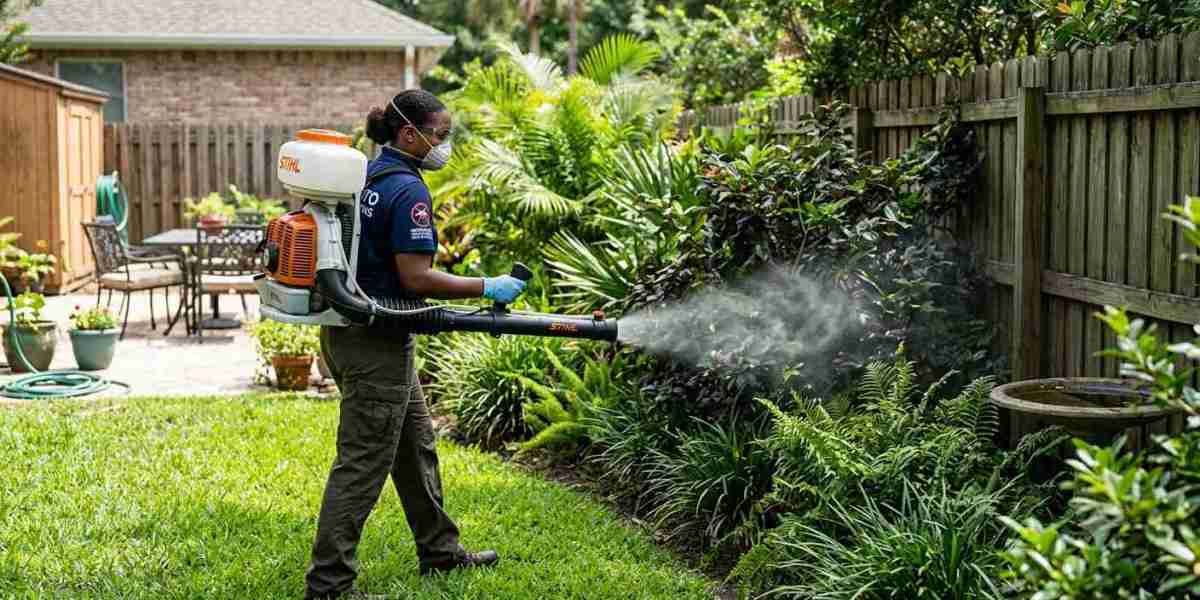
Adulticides are used to reduce adult mosquito populations through targeted spraying.
Residual Sprays
These treatments remain active on surfaces where mosquitoes rest.
Always follow product instructions and use pesticides responsibly to minimize environmental impact.
Professional Mosquito Control Services
Professional pest control companies offer customized mosquito management programs.
Services often include:
Property inspection
Identification of breeding sites
Larval control
Adult mosquito treatments
Barrier spraying
Ongoing monitoring
Professional treatment is especially useful for large properties or persistent infestations.
Community Mosquito Control
Mosquito management is most effective when entire communities participate.
Community efforts include:
Public education
Drainage improvement
Waste management
Regular inspections
Water management programs
Public spraying when necessary
Working together significantly reduces mosquito breeding opportunities.
Common Mosquito Control Mistakes
Avoid these common mistakes:
Ignoring small pools of standing water
Forgetting clogged gutters
Overwatering lawns
Leaving pet water bowls unchanged for long periods
Assuming one treatment solves the problem
Neglecting yard maintenance
Consistent prevention is more effective than occasional treatments.
Seasonal Mosquito Control Tips
Spring
Inspect your property for standing water.
Repair window screens.
Clean gutters.
Prepare outdoor areas before mosquito season begins.
Summer
Empty water containers weekly.
Use repellents when outdoors.
Maintain lawns and shrubs.
Monitor mosquito activity regularly.
Fall
Remove fallen leaves that trap water.
Drain outdoor containers.
Continue inspections until colder weather reduces mosquito activity.
Winter
Although mosquito activity declines in many regions, continue maintaining your property to prepare for the next season.
Long-Term Mosquito Management
Sustainable mosquito control involves continuous effort.
Long-term strategies include:
Weekly property inspections
Proper drainage
Water management
Regular landscaping
Community participation
Professional inspections when needed
Integrated mosquito management provides the best long-term results.
Frequently Asked Questions
How often should I remove standing water?
Inspect your property at least once a week, as mosquitoes can complete their life cycle in a short time under favorable conditions.
Do mosquito-repelling plants eliminate mosquitoes?
No. They may help discourage mosquitoes but should be used alongside other proven prevention methods.
Are professional mosquito treatments safe?
When applied according to regulations and label instructions, professional treatments are designed to minimize risks while effectively reducing mosquito populations.
Can mosquitoes breed in very small amounts of water?
Yes. Even a bottle cap or small container holding water can provide a breeding site for some mosquito species.