
The liver is one of the hardest-working organs in the body, responsible for filtering toxins, processing nutrients, producing bile for digestion, and supporting the immune system. When the liver becomes inflamed, these essential functions can be affected, leading to a condition known as hepatitis. Hepatitis is a serious health concern that affects millions of people worldwide. While some cases are mild and resolve on their own, others can become chronic and lead to permanent liver damage if left untreated.
Many people are unaware they have hepatitis because symptoms may not appear until the disease has progressed. This makes awareness, early diagnosis, and proper treatment essential. By understanding how hepatitis affects the liver, individuals can take preventive steps to protect their health and reduce the risk of long-term complications.
What Is Hepatitis?
Hepatitis is inflammation of the liver caused by viral infections, excessive alcohol use, certain medications, autoimmune disorders, or exposure to harmful toxins. The condition may be acute, lasting only a few weeks, or chronic, continuing for more than six months.
Viral hepatitis is the most common form and includes Hepatitis A, B, C, D, and E. Each virus spreads differently, but all can affect liver function to varying degrees.
The Role of the Liver
To understand hepatitis, it is important to know how the liver works. The liver performs more than 500 vital functions that help keep the body healthy. It removes harmful substances from the bloodstream, stores vitamins and minerals, produces proteins that help blood clot, regulates cholesterol levels, and assists in digestion.
When hepatitis causes inflammation, liver cells become damaged. As the damage increases, the liver struggles to perform these important tasks, affecting overall health.
Types of Hepatitis
Hepatitis A
Hepatitis A is usually spread through contaminated food or water. It causes a short-term infection and rarely leads to permanent liver damage. Most people recover completely within a few months.
Hepatitis B
Hepatitis B spreads through infected blood and body fluids. It can become chronic, especially if the infection occurs during infancy. Vaccination has significantly reduced the number of new infections worldwide.
Hepatitis C
Hepatitis C is mainly transmitted through blood-to-blood contact. Many infected individuals do not develop symptoms for years, making regular screening important. Fortunately, modern antiviral medications can cure most cases.
Hepatitis D
This virus only infects people who already have Hepatitis B. Coinfection often causes more severe liver inflammation and increases the risk of complications.
Hepatitis E
Hepatitis E is commonly linked to contaminated water supplies. Most people recover fully, although pregnant women may experience more severe illness.
Common Symptoms
Symptoms vary depending on the type of hepatitis and the stage of infection. Some people experience no symptoms during the early stages.
Common warning signs include fatigue, fever, nausea, vomiting, loss of appetite, abdominal pain, dark urine, pale-colored stools, joint pain, jaundice, and unexplained weight loss.
Because these symptoms are common to many illnesses, laboratory testing is necessary for an accurate diagnosis.
How Hepatitis Damages the Liver
Inflammation caused by hepatitis injures healthy liver cells. As the immune system responds to the infection, additional damage may occur. If the inflammation continues for months or years, scar tissue gradually replaces healthy liver tissue.
This process, known as fibrosis, can eventually progress to cirrhosis. Cirrhosis permanently reduces liver function and increases the risk of liver failure and liver cancer. Early treatment can often prevent these serious complications.
Risk Factors
Anyone can develop hepatitis, but certain factors increase the risk.
People who share needles, receive unsafe tattoos or piercings, have unprotected sexual contact, consume excessive alcohol, or travel to areas with poor sanitation are more likely to be exposed. Healthcare workers and people living with infected family members should also follow recommended preventive measures.
Diagnosis
Doctors diagnose hepatitis using blood tests that detect liver enzymes and identify specific hepatitis viruses. Imaging studies such as ultrasound or FibroScan may be used to evaluate liver health and determine the extent of liver damage.
In some cases, a liver biopsy may be recommended to assess inflammation and scarring.
Early diagnosis allows treatment to begin before irreversible liver damage develops.
Treatment Options
Treatment depends on the cause and severity of hepatitis.
Acute Hepatitis A and E usually improve with supportive care that includes rest, hydration, and a nutritious diet.
Chronic Hepatitis B is managed with antiviral medications that reduce viral activity and help protect the liver from further damage.
Hepatitis C can often be cured with direct-acting antiviral medications taken for several weeks.
Autoimmune hepatitis requires medicines that suppress the immune system, while alcohol-related hepatitis improves significantly when alcohol consumption stops completely.
Regular monitoring helps healthcare providers evaluate treatment effectiveness and detect complications early.
Preventing Hepatitis
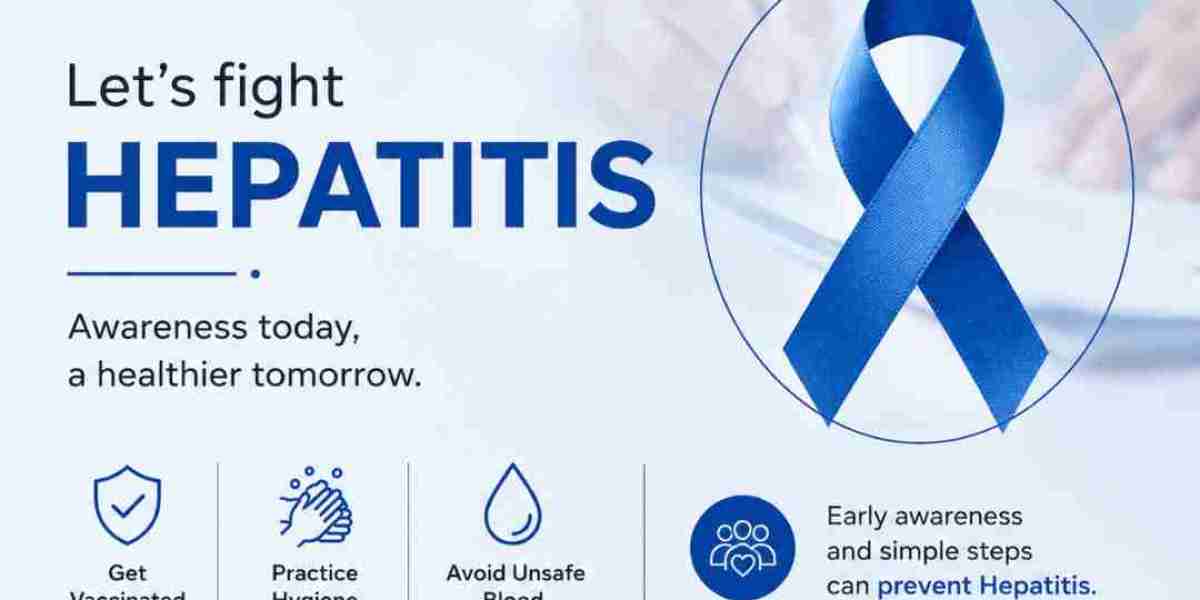
Many cases of hepatitis can be prevented through simple lifestyle changes and vaccination.
Receiving Hepatitis A and Hepatitis B vaccines offers strong protection against infection. Good personal hygiene, drinking clean water, avoiding shared needles, practicing safe sex, and ensuring medical equipment is properly sterilized are also effective preventive measures.
Routine health screenings are especially important for individuals at higher risk.
Living with Hepatitis
A hepatitis diagnosis does not mean a person cannot enjoy a healthy life. With proper medical care, healthy eating habits, regular exercise, and avoiding alcohol, many people successfully manage the condition for decades.
Patients should attend regular medical appointments, take prescribed medications as directed, and speak with healthcare providers before using herbal supplements or over-the-counter medications that could affect liver health.
Conclusion
Hepatitis is a preventable and treatable condition when detected early. Understanding how hepatitis affects the liver empowers individuals to recognize symptoms, seek timely medical care, and adopt healthier habits that protect liver function. Vaccination, regular screening, safe lifestyle practices, and modern treatment options have significantly improved outcomes for people living with hepatitis. Taking proactive steps today can help preserve liver health and prevent serious complications in the future.








