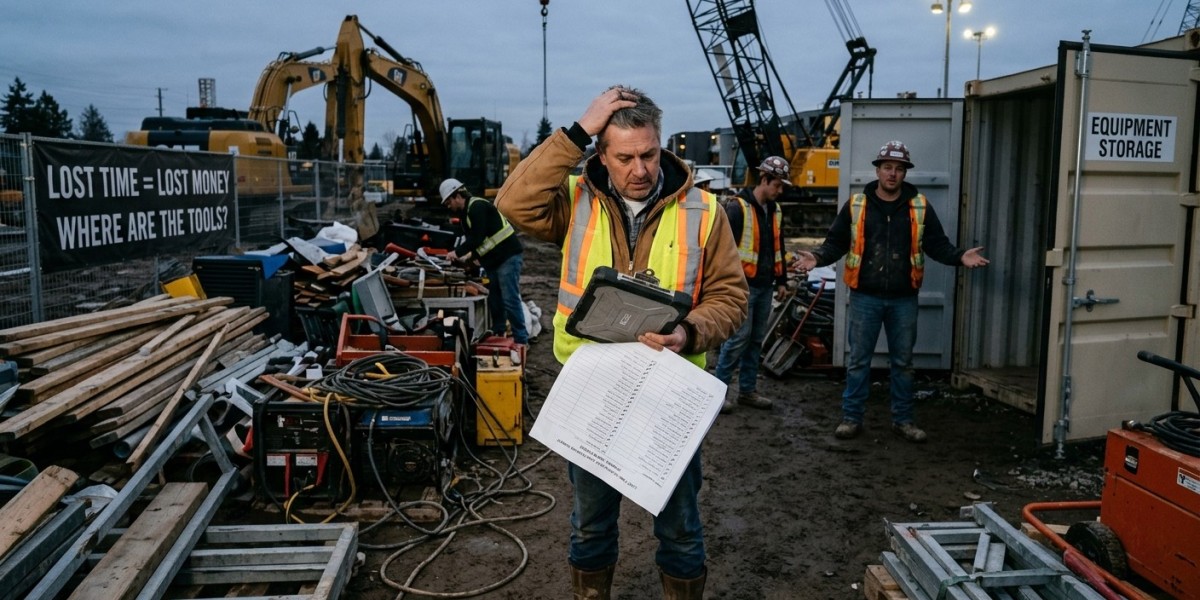

Construction jobsites depend on more than large equipment. Tools, attachments, small equipment, generators, compressors, trailers, safety gear, and materials all support daily production. When contractors do not know where assets are, who has them, or whether they are being used, costs rise fast. Construction asset tracking software helps contractors control jobsite assets, reduce loss, improve accountability, and keep crews from wasting time searching for what they need.
Poor asset control is one of those problems that looks small until the numbers are added up. A missing tool here, a misplaced attachment there, a generator left behind at a finished site, a rented item kept too long, and a crew waiting for equipment that should have been available. None of these problems feel massive alone. Together, they hurt profit.
Why Asset Control Is Hard in Construction
Construction sites are busy, mobile, and constantly changing. Crews move between projects. Tools are shared. Equipment is loaded and unloaded. Subcontractors come and go. Weather, deadlines, and field pressure make perfect tracking difficult.
Assets Move Constantly
Unlike a warehouse, a construction site does not keep assets in one controlled space. A tool may start the week in the shop, move to a truck, get used on a jobsite, then end up in a different crew’s trailer.
Without a clear tracking system, ownership and responsibility become unclear. Nobody wants to waste time searching, but everyone ends up doing it.
Small Assets Are Easy to Lose
Heavy equipment usually get attention because they are expensive. Smaller assets often receive less control, even though they can create major costs over time.
Power tools, lasers, compactors, pumps, attachments, chains, safety equipment, and handheld devices are easy to misplace. When crews cannot find them, contractors often buy replacements. That creates duplicate spending and poor inventory control.
The Real Cost of Poor Asset Control
Poor asset control does more than increase replacement costs.
Lost Labor Time
When crews spend time searching for tools or equipment, production slows. A few minutes may not matter, but repeated delays across multiple crews and jobsites become expensive.
Field labor should be spent building, installing, grading, lifting, repairing, and completing work. It should not be spent calling around to ask who has the right tool.
Unnecessary Purchases
When contractors cannot find assets, they often buy more. Over time, the company owns too many duplicate items but still struggles to locate them when needed.
This is a classic construction problem. The company has the asset somewhere, but because nobody knows where, the jobsite buys another one.
Construction asset tracking software helps contractors see what they already own, where it is located, and who is responsible for it.
Rental Overruns
Rented assets need strict control. If a rented generator, lift, trailer, or compact machine sits on site after the work is finished, rental costs continue.
Poor tracking makes it easy to miss return dates. A project may be done with the asset, but nobody tells the office. Better tracking helps contractors return rentals faster and avoid paying for unused equipment.
Weaker Accountability
When no one is assigned responsibility for an asset, loss becomes easier. Crews may assume someone else has it. Managers may not know who used it last. The shop may not know what came back damaged.
A tracking system creates clearer accountability without needing to blame people. It simply gives the business a better record of asset movement and usage.
How Construction Asset Tracking Helps
Construction-focused asset tracking creates visibility across the field, shop, and office.
Know Where Assets Are
The first benefit is simple: contractors can see where assets are located. This may include the yard, shop, truck, trailer, or jobsite.
This helps crews find what they need faster and helps managers avoid unnecessary purchases or rentals.
Track Who Has What
Asset tracking can connect tools and equipment to crews, operators, foremen, vehicles, or jobsites. This creates a cleaner chain of custody.
When an asset is checked out, moved, inspected, or returned, the record is easier to follow. This supports accountability and reduces confusion.
Improve Maintenance for Small Equipment
Small equipment also needs maintenance. Pumps, compactors, generators, saws, and attachments can fail when service is ignored.
Construction asset tracking software helps contractors track condition, service needs, and inspection history for assets that are often overlooked.
Why Jobsite-Specific Software Matters
Generic asset tracking tools may work for office equipment, but construction has different needs. Contractors need field-friendly software built for rough environments, mobile crews, outdoor conditions, and fast asset movement.
A construction asset system should support:
Jobsite transfers
Check-in and check-out
Mobile access
Tool and equipment records
Attachments and small assets
Rental tracking
Inspection history
Maintenance notes
Asset responsibility
This makes the system useful for real field operations, not just office inventory.
Conclusion
Poor asset control quietly drains construction profit. Crews lose time, companies buy duplicates, rentals run too long, and accountability becomes weak.
Contractors need a better way to manage tools, equipment, attachments, trailers, and field assets across active jobsites. Construction asset tracking software gives teams the visibility and control needed to reduce loss, improve accountability, and keep work moving.






