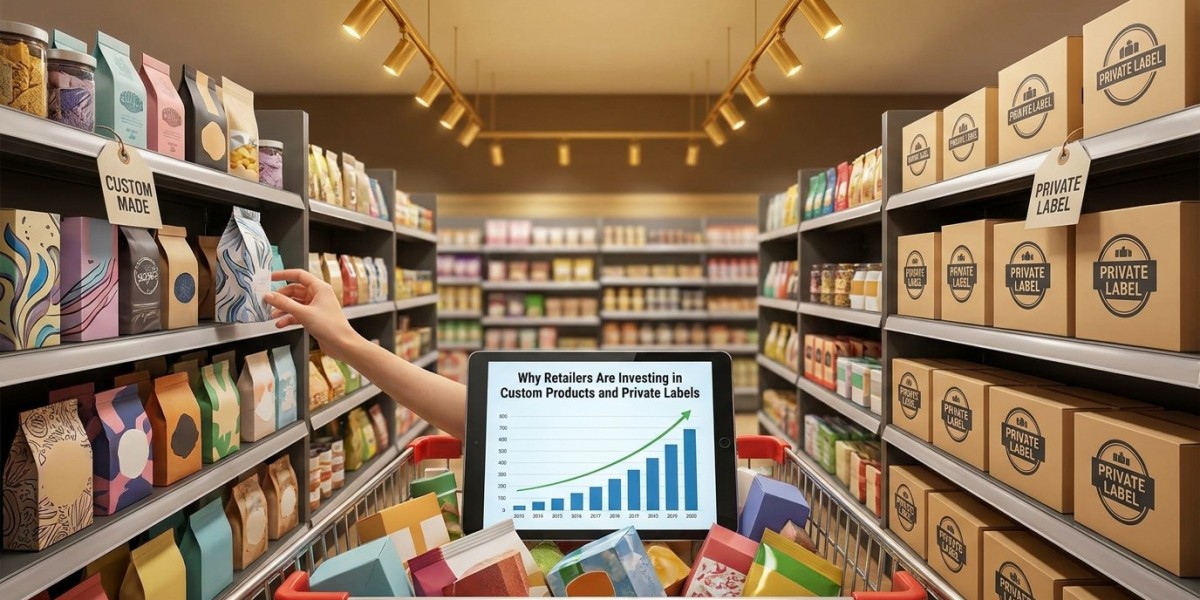

Retail is changing fast. Consumers have more choices than ever before, and competition has become tougher across nearly every category. Large retailers, small businesses, startups, and online brands are all searching for ways to stand out in crowded markets. One strategy continues to gain momentum: investing in custom products and private labels.
Years ago, retailers relied heavily on selling third-party brands. Today, many are creating their own product lines to improve margins, build stronger customer loyalty, and gain more control over their business. Private label products are no longer seen as cheaper alternatives. In many cases, they compete directly with established brands in quality, design, and customer satisfaction.
For entrepreneurs and business owners, understanding why retailers are investing in custom products and private labels can reveal valuable opportunities for growth. From apparel and accessories to bags, wallets, and fitness wear, private labeling has become one of the most practical ways to build a recognizable brand.
The Growing Demand for Private Label Products
Consumers are becoming more brand-conscious, but they're also looking for value. Retailers have noticed this shift and are responding by creating products that reflect their own brand identity.
Private label products allow businesses to offer something unique. Instead of competing solely on price, retailers can compete on design, quality, customer experience, and exclusivity.
When customers can only purchase a product from one retailer, it creates a stronger connection between the customer and the brand. That relationship often leads to repeat purchases and higher lifetime value.
Higher Profit Margins Drive Investment
One of the biggest reasons retailers invest in private labels is profit.
Traditional retail models involve buying products from manufacturers or distributors and reselling them at a markup. While this approach works, it often leaves limited room for healthy margins.
Private labeling changes that equation.
By working directly with manufacturers, retailers can control production costs, pricing strategies, and product positioning. The result is often better profitability compared to selling national brands.
For many businesses, private label products become some of their highest-performing revenue generators.
Brand Control Creates Long-Term Value
Retailers want ownership over their future.
When a business depends entirely on outside brands, it faces risks such as supplier changes, pricing fluctuations, inventory shortages, and increased competition.
Custom products help solve these problems.
Retailers gain full control over product design, packaging, branding, and marketing. Every customer interaction reinforces the retailer's identity rather than promoting another company's brand.
Over time, this control helps build stronger brand recognition and customer trust.
Creating Products Customers Cannot Find Elsewhere
Exclusivity matters.
Consumers often enjoy purchasing products that feel unique. Private labels give retailers the ability to create exclusive collections tailored to specific customer preferences.
Whether it's apparel, accessories, bags, or lifestyle products, custom designs help businesses separate themselves from competitors.
This differentiation becomes increasingly valuable as markets become more saturated.
Consumer Trust in Private Labels Has Increased
There was a time when private label products were viewed as lower-quality alternatives. That perception has changed dramatically.
Today's consumers understand that many private label products are manufactured in the same facilities as major brands. The difference often comes down to branding and marketing rather than quality.
As retailers continue investing in better materials, stronger quality control, and attractive packaging, customer confidence keeps growing.
Many shoppers now actively seek out private label products because they offer a balance between quality and affordability.
The Role of Custom Manufacturing
Modern manufacturing has made private labeling more accessible than ever.
Retailers can work with experienced partners to develop products that align with their vision and target audience.
For example, brands seeking travel and lifestyle accessories often partner with experienced duffle bags suppliers to create branded collections tailored to their customer base.
Similarly, fashion retailers looking for exclusive accessories may invest in premium personalized Leather purses NY businesses and customers increasingly prefer for their unique style and brand identity.
These partnerships help retailers launch products faster while maintaining consistent quality standards.
Why Private Labels Work Well in Fashion and Accessories
Fashion is one of the strongest categories for private label growth.
Consumers often make purchasing decisions based on style, identity, and personal preference rather than brand name alone.
This creates opportunities for retailers to introduce their own apparel and accessory lines.
Custom jackets, hoodies, t-shirts, bags, wallets, gloves, and activewear allow brands to offer products that align closely with customer demand.
Private label fashion also allows businesses to respond more quickly to changing trends.
Wallets and Accessories Continue Growing
Accessories remain a profitable segment for many retailers.
Products such as bulk wallets allow businesses to serve wholesale customers, promotional campaigns, retail stores, and corporate branding programs.
Because accessories often carry strong margins and consistent demand, they fit naturally into private label strategies.
Fitness Apparel Is Fueling Private Label Expansion
The fitness market continues growing worldwide.
Consumers want workout clothing that combines comfort, durability, and style. Many retailers have responded by launching their own activewear collections.
Working with experienced private label fitness apparel manufacturers allows brands to develop customized products while maintaining control over branding and customer experience.
This approach helps businesses enter a growing market without building manufacturing facilities from scratch.
Fitness apparel has become one of the fastest-growing private label categories because customers often prioritize fit, quality, and functionality over famous logos.
Data Helps Retailers Build Better Products
Retailers have access to valuable customer insights.
They know which products sell well, what customers request, and where market gaps exist.
Private labeling allows businesses to turn that information into products designed specifically for their audience.
Instead of guessing what consumers want, retailers can use real purchasing data to guide product development.
This customer-focused approach often leads to stronger sales performance and lower inventory risk.
Challenges Retailers Must Consider
Private labeling offers many benefits, but success requires careful planning.
Retailers must evaluate manufacturing partners, product quality, supply chain reliability, and branding consistency.
Quality Control Matters
Customers associate private label products directly with the retailer.
If product quality falls short, brand reputation can suffer quickly.
Strong quality assurance processes help maintain customer trust and long-term loyalty.
Red Flags When Working With Overseas Manufacturers
Many retailers source products internationally, but choosing the wrong manufacturing partner can create problems.
Common warning signs include:
- Unclear pricing structures
- Poor communication
- No product samples available
- Lack of production transparency
- Inconsistent quality standards
- Missing certifications
- Unrealistically low pricing
Careful supplier vetting reduces risk and helps ensure consistent product quality.
How Private Labels Support Business Growth
Private labels create opportunities that traditional retail models often cannot provide.
Retailers gain stronger profit margins, greater control over product development, and deeper relationships with customers.
As competition increases across industries, businesses need ways to stand apart from similar retailers selling the same products.
Custom products help create that separation.
They allow retailers to offer something original while building a recognizable brand that customers trust.
The Future of Custom Products and Private Labels
Private labeling is no longer a trend. It's becoming a core business strategy.
Consumers continue seeking products that combine quality, value, and authenticity. Retailers that invest in custom products are better positioned to meet those expectations.
As manufacturing becomes more flexible and consumer demand becomes more personalized, private labels will likely continue gaining market share across apparel, accessories, fitness products, and lifestyle goods.
Businesses that act early can build stronger brand equity and create long-term competitive advantages.
Frequently Asked Questions
Why are retailers investing more in private labels?
Retailers invest in private labels because they offer better profit margins, stronger brand control, exclusive products, and improved customer loyalty compared to selling third-party brands.
Are private label products lower quality than branded products?
No. Many private label products are manufactured to the same standards as well-known brands. Quality depends largely on materials, production processes, and quality control.
What industries benefit most from private labeling?
Fashion, fitness apparel, accessories, bags, wallets, beauty products, home goods, and food products are among the strongest private label categories.
Can small businesses launch private label products?
Yes. Many manufacturers now offer flexible production quantities, making private labeling accessible to startups and growing businesses.
What is the biggest advantage of private labeling?
The biggest advantage is brand ownership. Retailers control the product, customer experience, pricing, and marketing strategy.
Why Choose Rays Creations for Private Label Manufacturing
Rays Creations helps brands build custom apparel, leather goods, bags, wallets, gloves, and accessories designed around their business goals. With expertise in wholesale production, customization, and private labeling, Rays Creations supports businesses looking to create products that customers can't find anywhere else.
Whether you're launching a new fashion line, expanding your retail catalog, or building a private label brand from the ground up, Rays Creations provides the manufacturing experience needed to turn ideas into market-ready products.
Contact Rays Creations today at care@rayscreations.co or call 516 528-5820 to discuss your next private label project.






